
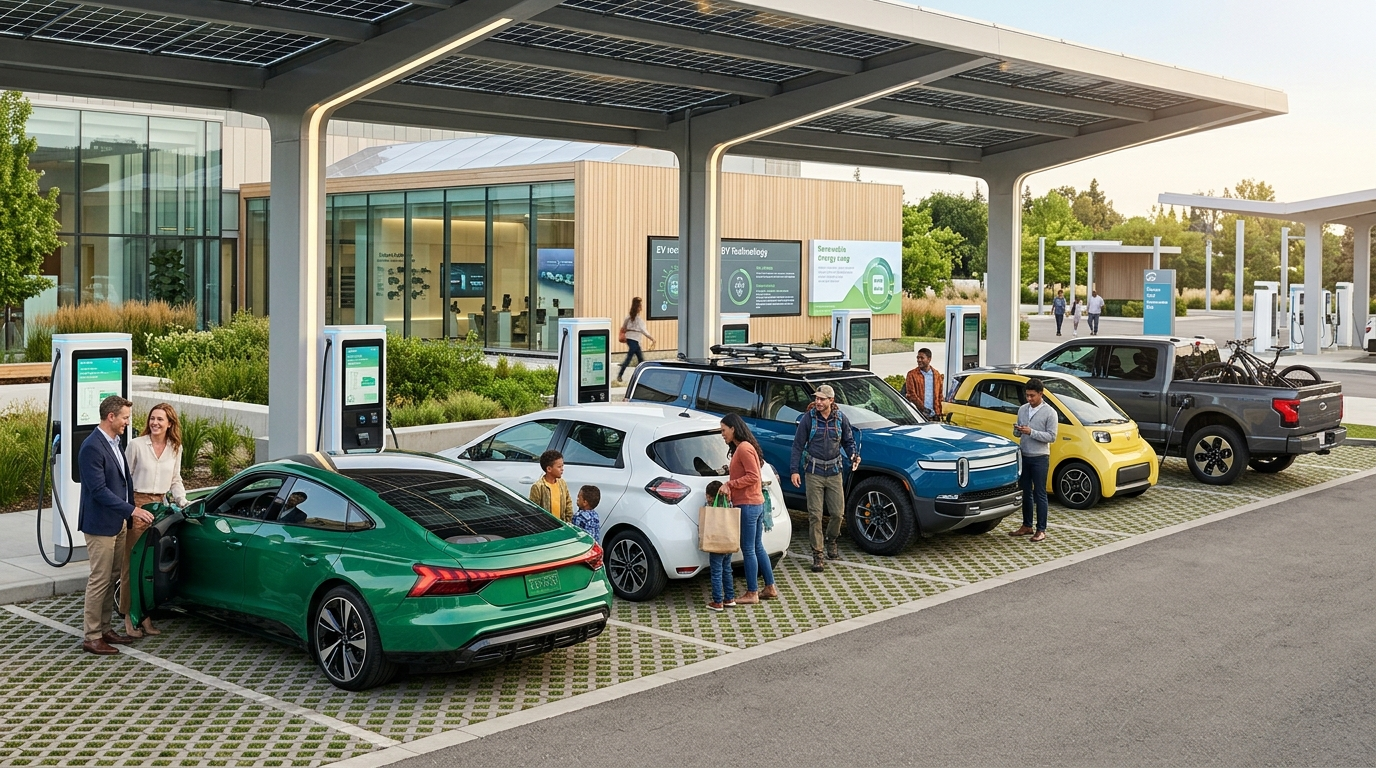
The automotive world is undergoing a massive transformation, and electric cars changing industry standards are leading the way. These vehicles are no longer niche products for early adopters. Instead, they have become powerful symbols of innovation, sustainability, and modern engineering. As more manufacturers shift toward electrification, the impact of electric vehicles continues to grow across global markets.
What makes this shift so significant is not just the technology itself, but the way it reshapes the entire ecosystem. From energy consumption to manufacturing processes, electric cars changing industry dynamics are forcing companies to rethink their strategies. As a result, consumers now have more choices, better performance, and a cleaner alternative to traditional vehicles.
Why Electric Vehicles Are Redefining Mobility
The rise of electric vehicles is driven by several key factors. First, environmental concerns have pushed governments and companies to reduce carbon emissions. Because of this, electric cars changing industry trends are seen as a solution to pollution and climate challenges.
In addition, advancements in battery technology have improved range and charging speed. Early electric cars struggled with limitations, but modern models now offer competitive performance. This progress has made electric vehicles more practical for everyday use.
Another important factor is cost efficiency. Although the upfront price can be higher, electric vehicles often have lower maintenance costs. Fewer moving parts mean less wear and tear. Therefore, electric cars changing industry expectations also appeal to long-term savings.
Moreover, consumer demand continues to rise. Drivers want cleaner, smarter, and more efficient vehicles. As a result, automakers are investing heavily in electric platforms. This shift ensures that electric cars changing industry standards will remain a dominant trend in the years ahead.
Tesla Model S: The Pioneer of Modern Electric Luxury
Tesla has played a major role in electric cars changing industry perceptions. The Model S, in particular, proved that electric vehicles could be both luxurious and high-performing. Before Tesla, many people associated electric cars with limited capability. However, the Model S changed that narrative completely.
With impressive acceleration and long-range capabilities, the Model S set new benchmarks. It also introduced over-the-air software updates, which keep the car improving over time. This feature redefined how vehicles evolve after purchase.
Furthermore, Tesla’s focus on charging infrastructure helped address range anxiety. The Supercharger network made long-distance travel more convenient. Because of these innovations, Tesla remains a key player in electric cars changing industry direction.
The Model S continues to influence competitors, pushing them to innovate and improve. As a result, it stands as one of the most important vehicles in the electric revolution.
BYD Seal: A Rising Global Contender
BYD has quickly become one of the strongest forces in electric cars changing industry competition. The BYD Seal represents the company’s commitment to combining performance, affordability, and advanced technology.
Unlike many competitors, BYD produces its own batteries. This vertical integration allows better cost control and efficiency. As a result, the company can offer competitive pricing without sacrificing quality.
The Seal features sleek design, strong performance, and advanced safety systems. It also uses innovative battery technology that enhances durability and safety. Because of these strengths, BYD is expanding rapidly in global markets.
Additionally, the company’s growth highlights the shift toward international competition. Electric cars changing industry trends are no longer dominated by a single region. Instead, manufacturers worldwide are contributing to the evolution of mobility.
Ford Mustang Mach-E: Reinventing a Classic Brand
Ford’s entry into the electric market demonstrates how traditional automakers are adapting. The Mustang Mach-E blends heritage with innovation, making it a key example of electric cars changing industry expectations.
By using the Mustang name, Ford created a connection between its legacy and the future. This strategy helped attract both loyal fans and new customers. At the same time, the Mach-E offers modern features such as advanced driver assistance and connectivity.
Performance is another highlight. The Mach-E delivers strong acceleration and responsive handling. It proves that electric vehicles can match, or even exceed, traditional performance standards.
Moreover, Ford’s investment in electrification shows a broader industry shift. Established brands are embracing change to remain competitive. Because of this, electric cars changing industry dynamics are accelerating at an unprecedented pace.
Hyundai Ioniq 5: A New Vision of Design and Technology
The Hyundai Ioniq 5 stands out for its bold design and innovative features. It represents how electric cars changing industry design language are moving toward a futuristic aesthetic.
Built on a dedicated electric platform, the Ioniq 5 offers a spacious interior and flexible layout. Its flat floor creates more room for passengers and cargo. In addition, ultra-fast charging allows drivers to recharge quickly.
The vehicle also integrates advanced technology, including smart connectivity and driver assistance systems. These features enhance both convenience and safety.
Furthermore, Hyundai’s approach emphasizes accessibility. The Ioniq 5 is designed to appeal to a wide audience, not just luxury buyers. Because of this, it plays a significant role in making electric cars changing industry trends more inclusive.
Rivian R1T: Expanding Electric Innovation to Trucks
Rivian has introduced a new dimension to electric vehicles with the R1T. This electric pickup truck shows how electric cars changing industry boundaries are expanding beyond traditional segments.
The R1T combines off-road capability with advanced technology. It offers impressive torque, allowing it to handle challenging terrain. At the same time, it includes modern features such as a digital interface and smart storage solutions.
One of its most unique features is the gear tunnel, which provides additional storage space. This innovation reflects the creativity driving electric vehicle design.
Additionally, Rivian’s focus on adventure and sustainability appeals to a growing market. Outdoor enthusiasts now have an eco-friendly option without compromising performance. As a result, the R1T highlights how electric cars changing industry categories are redefining what vehicles can be.
How Electric Vehicles Are Transforming the Industry
The impact of electric vehicles extends beyond individual models. Electric cars changing industry systems are influencing manufacturing, energy, and infrastructure. Automakers are redesigning production lines to accommodate electric platforms.
At the same time, governments are investing in charging networks and incentives. These efforts support the transition to cleaner transportation. As a result, the ecosystem around electric vehicles continues to expand.
Moreover, software plays a larger role in modern cars. Updates, connectivity, and data analysis are becoming standard features. This shift changes how vehicles are developed and maintained.
Consumer behavior is also evolving. Drivers are more aware of environmental impact and long-term costs. Because of this, electric cars changing industry demand are becoming the preferred choice for many buyers.
The Road Ahead for Electric Innovation
Looking forward, the future of electric vehicles appears promising. Technology will continue to improve, making cars more efficient and affordable. Battery advancements will likely increase range and reduce charging time.
In addition, competition will drive innovation. More companies entering the market means better products and lower prices. This trend ensures that electric cars changing industry standards will continue to evolve.
Sustainability will remain a key focus. Automakers are exploring renewable materials and recycling methods. These efforts aim to reduce the environmental footprint of production.
Furthermore, autonomous driving technology may integrate with electric platforms. This combination could redefine mobility entirely. As a result, the automotive industry is entering a new era of transformation.
Conclusion
Electric cars changing industry landscapes are reshaping how we think about transportation. From Tesla’s pioneering efforts to emerging players like Rivian and BYD, innovation is happening at every level. These vehicles are not just alternatives to traditional cars. They represent a complete shift in design, performance, and sustainability.
Each model discussed highlights a different aspect of this transformation. Whether it is luxury, affordability, or versatility, electric vehicles are meeting diverse needs. As technology continues to advance, their influence will only grow stronger.
Ultimately, the transition to electric mobility is more than a trend. It is a fundamental change that will define the future of transportation. Electric cars changing industry standards today are paving the way for a cleaner, smarter, and more connected world.
FAQ
- Why are electric vehicles becoming so popular?
Electric vehicles offer lower emissions, reduced maintenance costs, and advanced technology, making them attractive to modern drivers. - Are electric cars more expensive than traditional cars?
They can have higher upfront costs, but long-term savings on fuel and maintenance often balance the price. - How far can electric vehicles travel on a single charge?
Most modern models offer ranges between 250 and 400 miles, depending on the battery and design. - Do electric vehicles require special charging stations?
While home charging is possible, public charging networks are expanding rapidly to support long-distance travel. - What is the future of electric mobility?
The future includes improved batteries, faster charging, and integration with autonomous driving technology.