
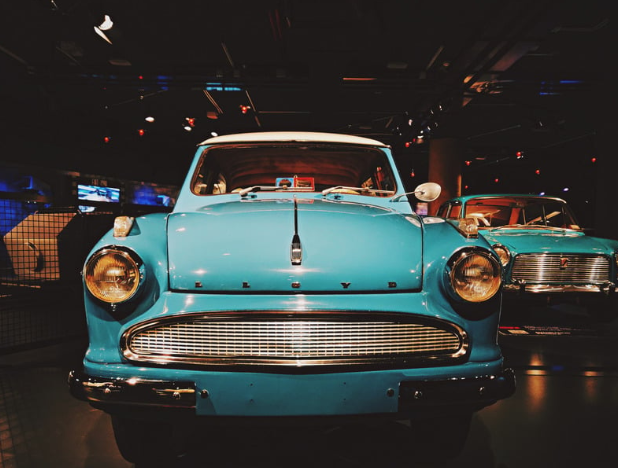
Timeless classic cars have a special kind of appeal that newer vehicles often struggle to match. They are more than old machines with polished paint and chrome details. They represent design confidence, cultural moments, engineering character, and the emotional pull of driving something with a real story. While modern cars may offer better safety, speed, and technology, certain classics continue to attract attention because they feel alive in a way that goes beyond numbers.
A great classic car does not need to be rare to be memorable. Sometimes, it is the shape of the hood, the sound of the engine, the curve of the roofline, or the way the car appears in movies, music, and family memories. These details help a vehicle become part of culture. As a result, some models never fade from public imagination.
The best timeless classic cars also share balance. They are stylish without feeling overdesigned. They are distinctive without looking strange. In addition, they still make people stop and look, even decades after their first release. Whether you love American muscle, European sports cars, British elegance, or practical icons, these five models show why some cars remain forever desirable.
What Makes a Classic Car Truly Timeless?
A timeless car usually has more than one strength. Beautiful styling matters, but design alone is not enough. The car also needs a strong identity. It should feel connected to a certain era while still looking attractive today. That balance is difficult, which is why only a few vehicles achieve it.
Heritage also plays a major role. Some cars became famous because they changed the market. Others became symbols of freedom, performance, luxury, or rebellion. Over time, stories build around them. A car that once served as daily transport can become a treasured collectible when people connect it with youth, adventure, or craftsmanship.
Another key factor is emotional response. Timeless classic cars make people feel something before they even know the full history. A person may recognize a Mustang fastback, a Porsche 911, or a Volkswagen Beetle instantly. That instant recognition is powerful because it shows how deeply these cars entered popular culture.
Ford Mustang
The Ford Mustang is one of the most recognizable timeless classic cars because it captured the spirit of freedom, youth, and performance. When it arrived in the 1960s, it gave buyers a sporty car with style, personality, and broad appeal. It was not only a performance machine. It was a statement that driving could feel exciting without being out of reach.
The Mustang’s long hood, short rear deck, and confident stance became a design formula that helped define the pony car category. Early models offered a wide range of engines, trims, and options, which allowed buyers to shape the car around their budget and personality. That flexibility helped the Mustang become more than a niche sports car. It became a cultural icon.
Its role in films, racing, and popular media only strengthened its image. The Mustang often represents movement, independence, and American road culture. Even people who are not serious car collectors usually know what it is. That broad recognition helps explain why it still feels relevant.
Why the Mustang Still Turns Heads
The Mustang remains stylish because its core design language is simple and strong. It looks athletic without needing too much decoration. The best early versions have clean lines, bold proportions, and a sense of motion even when parked. Because of that, they still look exciting at car shows, weekend drives, and collector events.
Another reason the Mustang endures is accessibility. Some classic cars feel distant because they are extremely rare or expensive. The Mustang, while valuable in certain trims, still feels connected to everyday enthusiasts. Many people have owned one, restored one, or dreamed about one.
Among timeless classic cars, the Mustang stands out because it blends performance, nostalgia, and personality. It is not just admired. It is loved across generations.
Porsche 911
The Porsche 911 is one of the most successful examples of design evolution in automotive history. First introduced in the 1960s, it kept its basic shape while improving across decades. That continuity makes it one of the most important timeless classic cars because it proves that a strong idea can be refined rather than replaced.
The 911’s rounded headlights, sloping roofline, rear-engine layout, and compact proportions give it a silhouette that is instantly recognizable. While many cars change completely from one generation to the next, the 911 kept a clear visual identity. This consistency helped Porsche build loyalty and trust among driving enthusiasts.
Its appeal is not only visual. The 911 built its reputation through performance, engineering, and a unique driving feel. Older models require attention and skill, which makes them engaging. Later versions became faster and more refined, yet the early spirit remained visible.
Why the 911 Feels Modern and Classic
The Porsche 911 has aged well because it never depended on short-lived styling trends. Its design is clean, purposeful, and aerodynamic. Even older models can look fresh because the shape is so balanced. This is one reason collectors and casual fans continue to admire it.
The car also works as both a sports car and a long-term icon. Some classics are beautiful but fragile. Others are powerful but difficult to live with. The 911 earned respect because it offered performance with surprising usability. That mix helped it build a reputation that still influences sports cars today.
For many drivers, the 911 represents precision. It is not loud in the same way as American muscle, yet it has a strong presence. Among timeless classic cars, it is the model that best shows how careful evolution can protect a legend.
Chevrolet Corvette Sting Ray
The Chevrolet Corvette Sting Ray is one of the most dramatic timeless classic cars ever built in America. The second-generation Corvette, especially the 1963 split-window coupe, remains a design landmark. Its sharp lines, low stance, hidden headlights, and sculpted body gave it a futuristic look that still feels exciting today.
The Sting Ray arrived during a period when American performance cars were becoming bolder. However, the Corvette stood apart because it looked more exotic than many domestic rivals. It offered sports car drama with American power, creating a combination that felt both glamorous and aggressive.
Its design was inspired by speed, aviation, and racing ideas. The result was a car that looked like it belonged on a track, even when parked on a street. This visual energy helped make the Sting Ray one of the most memorable Corvettes ever produced.
Why the Sting Ray Remains an Icon
The Sting Ray’s appeal comes from its bold confidence. It does not try to disappear into traffic. Instead, it makes a clear statement. Every angle feels intentional, from the pointed nose to the muscular rear fenders. Because of that, it still attracts attention from people who may not know its full history.
Performance also supports the legend. The Corvette became America’s sports car because it offered speed, style, and ambition. The Sting Ray sharpened that identity. It gave buyers a car that looked advanced and felt special.
Among timeless classic cars, the Corvette Sting Ray is perfect for people who love sculptural design and strong personality. It remains one of the clearest examples of American automotive imagination.
Jaguar E-Type
The Jaguar E-Type is often described as one of the most beautiful cars ever made. Its long bonnet, flowing curves, glass-covered headlights on early models, and elegant proportions made it an instant sensation. When it appeared in the 1960s, it offered breathtaking style and strong performance at a price that shocked the luxury sports car world.
The E-Type feels different from many other classics because it combines grace with speed. It is not as aggressive as a muscle car, yet it does not feel delicate. Instead, it has a smooth, confident beauty that still looks expensive, even today. That balance is why it belongs among timeless classic cars.
Its design also captures a golden period of British motoring. The car feels handmade, romantic, and slightly dramatic. It reflects a time when sports cars were not hidden under layers of digital systems. They were mechanical, sensory, and deeply expressive.
Why the E-Type Defines Automotive Elegance
The E-Type remains stylish because its proportions are nearly perfect. The long front end creates drama, while the rounded rear keeps the shape graceful. Small details, such as wire wheels and chrome trim, add charm without overwhelming the design.
Driving one also feels special because the car has character. It is not only a showpiece. It was built to perform, and its racing influence gives it credibility beyond beauty. For many collectors, that combination makes it irresistible.
Among timeless classic cars, the Jaguar E-Type represents elegance more than aggression. It proves that a car can be powerful, desirable, and graceful at the same time.
Volkswagen Beetle
The Volkswagen Beetle may seem very different from the other cars on this list, but its timeless appeal is undeniable. It is one of the most recognizable cars ever built, with a rounded shape, friendly face, and simple mechanical design. While it was never meant to be a luxury car or a high-performance machine, it became a global symbol of practicality, personality, and charm.
The Beetle’s design is simple, but that simplicity is exactly why it lasted. Its curved roof, round headlights, compact body, and rear-engine layout made it instantly identifiable. Unlike many cars that aged quickly, the Beetle kept its character for decades.
It also became part of many cultures. In different places, it served as family transport, student car, city runabout, beach car, and counterculture symbol. That wide range of meanings helped the Beetle become more than basic transportation.
Why the Beetle Still Feels Lovable
The Beetle remains appealing because it feels approachable. It does not intimidate people. Instead, it creates warmth and nostalgia. Many classic cars are admired from a distance, but the Beetle often feels personal. People remember learning to drive in one, seeing one in a movie, or riding in one with family.
Its simplicity also makes it attractive to enthusiasts. Older Beetles are relatively easy to understand compared with many more complex cars. This helped create a strong restoration and customization culture. From original examples to beach-inspired builds, the Beetle invites creativity.
Among timeless classic cars, the Volkswagen Beetle stands out because it proves style does not always need power or luxury. Sometimes, charm is enough to last forever.
How These Cars Shaped Automotive Culture
These five cars influenced culture in very different ways. The Mustang helped define youthful American performance. The Porsche 911 showed how a sports car could evolve without losing its identity. The Corvette Sting Ray turned American design into something dramatic and futuristic. The Jaguar E-Type became a symbol of elegance and speed. Meanwhile, the Volkswagen Beetle proved that a humble car could become a worldwide icon.
Together, these timeless classic cars show that style comes in many forms. Some cars are loved for power. Others are admired for beauty, simplicity, engineering, or emotional connection. What matters most is that each one created a lasting identity. A car becomes timeless when people continue to care about it long after newer models arrive.
Their influence also appears in modern design. Today’s Mustangs still echo the long-hood shape of early models. Modern 911s still carry the same essential profile. Corvettes continue to chase performance and visual drama. Jaguar still benefits from the E-Type’s reputation for beauty. Even the Beetle’s friendly shape remains part of design history.
What to Consider Before Buying One
Owning a classic car can be rewarding, but it requires realistic expectations. These vehicles are older, so condition matters more than the name alone. A famous model with hidden rust, poor repairs, or missing parts can become expensive quickly. Therefore, buyers should inspect carefully and seek expert help when needed.
Maintenance is another important factor. Some timeless classic cars have strong parts support, while others may require specialist knowledge. A Mustang or Beetle may be easier to source parts for than a rare European model. However, costs can still vary based on year, trim, originality, and restoration quality.
Buyers should also think about how they plan to use the car. Some classics work well for weekend drives. Others are better suited for shows, collections, or careful touring. Comfort, reliability, storage, insurance, and local service options all matter. A beautiful car can become frustrating if it does not fit your lifestyle.
Finally, passion should guide the decision, but research should protect it. The best classic car purchase combines emotional desire with careful checking. When both are present, ownership can be deeply satisfying.
Conclusion
Timeless classic cars never go out of style because they offer more than transportation. They carry history, emotion, design, and cultural meaning. The Ford Mustang brings American freedom and muscle. The Porsche 911 offers precision and lasting design. The Chevrolet Corvette Sting Ray delivers drama and performance. The Jaguar E-Type represents elegance and speed. The Volkswagen Beetle proves that charm and simplicity can become legendary.
Each of these cars earned its place by creating a strong identity. They look different, drive differently, and speak to different kinds of enthusiasts. Yet they all share one rare quality. People still care about them decades later. That is the mark of a true classic.
Modern cars may be faster, safer, and more efficient, but they often struggle to create the same emotional bond. A classic car invites attention because it feels crafted by a different time. It reminds people of open roads, bold design choices, and the joy of driving for its own sake.
In the end, timeless classic cars remain powerful because they connect generations. Parents, collectors, young enthusiasts, designers, and casual fans can all admire them for different reasons. Their appeal does not depend on trends. It comes from character, memory, and style that continue to feel alive every time the engine starts.
FAQ
- What Makes a Car Truly Classic?
A car becomes truly classic when it has lasting design, cultural meaning, enthusiast demand, and historical value. Age matters, but character and influence matter even more.
- Which Classic Car Is Best for Beginners?
The Volkswagen Beetle and early Ford Mustang are often beginner-friendly choices because they have strong parts support and large enthusiast communities. However, condition still matters greatly.
- Are Classic Cars Good Investments?
Some classic cars can increase in value, but they also require maintenance, storage, insurance, and repairs. Buyers should choose a car they love first and treat investment potential as a bonus.
- Why Is the Porsche 911 So Popular With Collectors?
The Porsche 911 is popular because it offers a recognizable design, strong performance history, excellent engineering, and decades of consistent evolution. Its identity has remained clear over time.
- What Should I Check Before Buying an Older Car?
Check rust, engine condition, service history, originality, parts availability, accident repairs, and title documents. A professional inspection can help avoid costly surprises.