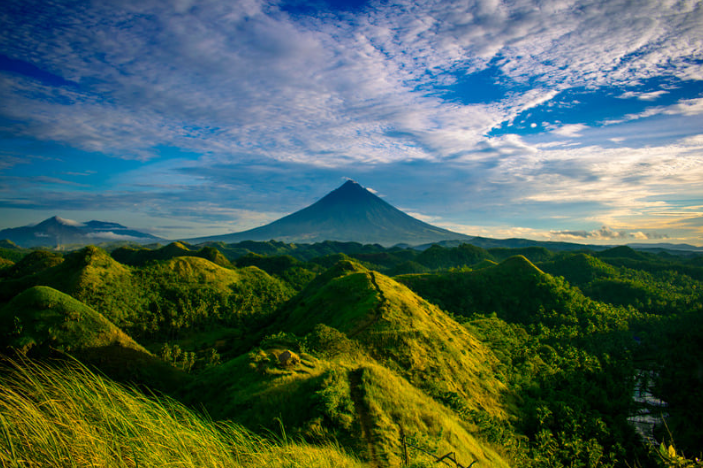
Tallest mountains on earth have always captured the human imagination because they seem to touch the edge of the sky. These peaks rise above clouds, borders, valleys, glaciers, and ancient trails, creating landscapes that feel almost unreal. For climbers, they represent the highest physical challenges on the planet. For travelers, photographers, and nature lovers, they offer breathtaking views, deep cultural meaning, and a reminder of how powerful the natural world can be.
Mountains are not only measured by height. They are also measured by the stories they carry. Some are sacred to local communities. Others are linked to legendary expeditions, dramatic rescues, and unforgettable moments in mountaineering history. Because of this, the tallest mountains on earth are not just geological features. They are places where nature, culture, risk, and ambition meet.
The five peaks in this article are ranked by elevation above sea level. All stand in Asia’s great mountain ranges, mostly in the Himalayas and nearby Karakoram. Each one rises above 8,000 meters, which places it in the world’s most extreme climbing zone. Yet each mountain has its own character, beauty, and challenge.
Why the World’s Highest Peaks Matter
The tallest mountains on earth matter because they show the limits of both nature and human endurance. At extreme altitude, the air holds far less oxygen than at sea level. Weather can change quickly, temperatures can fall dangerously low, and even simple movement becomes exhausting. Because of this, these mountains demand respect from anyone who approaches them.
High mountains also shape rivers, climates, ecosystems, and cultures. Snow and glaciers from these regions feed major river systems, while mountain communities build traditions around the land. In many places, these peaks are not only tourist attractions or climbing goals. They are part of identity, belief, survival, and daily life.
Modern interest in these mountains continues to grow. Some people follow expedition news, while others dream of trekking routes with views of famous peaks. However, the best way to appreciate these giants is to understand their scale, setting, and meaning. Height is only the beginning of the story.
Mount Everest
Mount Everest is the highest mountain in the world, rising to about 8,848.86 meters above sea level. Located on the border between Nepal and Tibet, it is the most famous peak among the tallest mountains on earth. Its name alone carries a sense of adventure, danger, and achievement. For many people, Everest is the ultimate symbol of mountaineering.
The mountain is known as Sagarmatha in Nepal and Chomolungma in Tibet. These names reflect its deep cultural importance long before it became a global climbing icon. Local communities have lived in its shadow for generations, and the surrounding region remains closely connected to Sherpa culture, Buddhist traditions, and high-altitude life.
Everest attracts climbers from around the world, but reaching the summit is never simple. The route may be well known, yet the mountain remains dangerous. Climbers face thin air, freezing temperatures, avalanches, crevasses, high winds, and exhaustion. Even with modern equipment, experience and judgment are essential.
Why Everest Became So Famous
Everest became famous because it represents the highest point a person can stand on Earth. That simple fact gives it unmatched symbolic power. The 1953 summit by Edmund Hillary and Tenzing Norgay became one of the most celebrated achievements in exploration history. Since then, the mountain has become a global symbol of ambition.
However, Everest is also controversial. Crowding, waste, commercial guiding, and safety concerns have raised serious questions about modern climbing. These issues remind us that fame can create pressure on fragile mountain environments. Responsible travel and better expedition management are now part of the conversation.
For many travelers, the Everest region is still meaningful without a summit attempt. Trekking to Everest Base Camp offers views, culture, and a sense of scale. It lets visitors experience the landscape while avoiding the highest risks of summit climbing.
K2
K2 is the second-highest mountain in the world, standing at about 8,611 meters. It sits in the Karakoram range on the border between Pakistan and China. Although it is lower than Everest, many climbers consider K2 far more difficult. Its steep slopes, unpredictable weather, and technical routes make it one of the most feared peaks in mountaineering.
The mountain is often called the Savage Mountain because of its danger. This nickname reflects the seriousness of climbing it, not a lack of beauty. K2 has a striking pyramid shape that rises sharply above surrounding glaciers. Its form is dramatic, clean, and intimidating, which makes it one of the most visually powerful mountains in the world.
Unlike Everest, K2 is less commercialized and harder to access. Reaching its base camp requires a long journey through remote terrain. This isolation adds to its mystique. Climbers who attempt K2 must be prepared for technical climbing, harsh weather, and fewer support options.
What Makes K2 So Difficult
K2’s difficulty comes from several factors working together. The mountain is steep, exposed, and heavily affected by storms. Routes often involve ice, rock, mixed climbing, and dangerous sections where mistakes can have severe consequences. Because of this, K2 is not a mountain for inexperienced climbers.
Weather is another major challenge. Storms can trap climbers for days, and safe summit windows may be rare. Even strong teams can turn back after weeks of waiting. That uncertainty makes K2 mentally demanding as well as physically brutal.
Among the tallest mountains on earth, K2 stands out because it has kept a fierce reputation. It is not the highest, but it may be the most respected by elite climbers. Its beauty and danger are inseparable, which gives it a powerful place in mountain history.
Kangchenjunga
Kangchenjunga is the third-highest mountain in the world, rising to about 8,586 meters. It lies on the border between Nepal and India, and it is one of the most beautiful and culturally important peaks in the Himalayas. For many years, people once believed it was the highest mountain in the world before more accurate measurements placed Everest above it.
The name Kangchenjunga is often translated as the “five treasures of snow,” referring to its five major peaks. This poetic meaning fits the mountain well because it appears grand, layered, and deeply majestic. Its surrounding region includes glaciers, forests, remote valleys, and rich biodiversity.
Kangchenjunga is sacred to local communities, especially in Sikkim and nearby Himalayan regions. Because of this respect, climbers have traditionally stopped just short of the true summit. This custom shows that mountains can carry spiritual meaning beyond sport or measurement.
Why Kangchenjunga Feels So Majestic
Kangchenjunga feels different from Everest and K2 because it is less crowded and more mysterious. Its remote setting gives it a quieter presence. Although it is one of the tallest mountains on earth, it does not receive the same level of mainstream attention as Everest. That makes its appeal more subtle but no less powerful.
The mountain is also challenging to climb. Weather, avalanches, high altitude, and technical sections create serious risks. Its long routes and remote location make rescue and support more difficult. Therefore, climbers must approach it with deep preparation and respect.
For travelers, the Kangchenjunga region offers a more peaceful Himalayan experience. Trekking routes can reveal forests, villages, ridges, and distant mountain views without the same crowds found in more famous areas. This makes it especially appealing to those who want beauty with a sense of solitude.
Lhotse
Lhotse is the fourth-highest mountain in the world, reaching about 8,516 meters. It sits close to Mount Everest, connected by the South Col, and shares part of the same climbing route from the Nepal side. Because of this connection, Lhotse is sometimes overshadowed by its famous neighbor. However, it is a remarkable mountain in its own right.
The name Lhotse means “south peak” in Tibetan, which reflects its position near Everest. Despite that simple name, the mountain has a dramatic identity. Its south face is one of the steepest and most imposing mountain walls in the world. This side of Lhotse has challenged some of the strongest climbers in history.
Many climbers see Lhotse as a serious high-altitude objective. Its standard route follows much of the Everest path before splitting toward the summit. Even so, the final climb includes steep sections and serious exposure. The mountain demands skill, patience, and strong acclimatization.
Why Lhotse Deserves More Attention
Lhotse deserves attention because it shows how fame can shape perception. Since it stands beside Everest, some people treat it like a secondary peak. Yet by height, difficulty, and beauty, it is one of the great mountains of the world. Its sharp ridges and massive faces create a striking presence.
The mountain also plays an important role in Everest expeditions. Climbers traveling through the region often see Lhotse’s walls rising above the route. This creates a constant reminder that Everest is part of a larger high-altitude landscape, not a single isolated giant.
Among the tallest mountains on earth, Lhotse is a reminder that recognition does not always match greatness. It may live in Everest’s shadow, but its scale and challenge are extraordinary. For serious mountaineers, it remains a respected and demanding climb.
Makalu
Makalu is the fifth-highest mountain in the world, standing at about 8,485 meters. Located southeast of Everest on the border between Nepal and Tibet, it is known for its sharp pyramid shape and difficult climbing conditions. While it may not be as famous as Everest, Makalu is one of the most impressive peaks in the Himalayas.
The mountain’s shape gives it a bold and unforgettable appearance. Its four-sided pyramid rises dramatically, with steep ridges and exposed faces. This structure makes Makalu visually striking, but it also makes the climb highly demanding. The mountain requires technical ability, endurance, and careful decision-making.
Makalu lies within a remote and beautiful region. The surrounding Makalu-Barun area includes deep valleys, forests, alpine landscapes, and rich wildlife. This mix of ecosystems makes the region important beyond mountaineering. It is also a place of natural diversity and remarkable scenery.
What Makes Makalu So Challenging
Makalu is challenging because it combines extreme altitude with technical terrain. Climbers face steep snow, ice, exposed ridges, and unpredictable weather. The final sections can be especially demanding, which makes the mountain less suitable for those seeking a straightforward high-altitude climb.
Access is another factor. The region is more remote than some popular trekking areas, so expeditions require careful planning. This isolation can make the experience more rewarding, but it also increases the seriousness of any climb or trek.
Among the tallest mountains on earth, Makalu stands out for its shape, remoteness, and quiet strength. It may not receive the same attention as Everest or K2, yet many mountaineers deeply respect it. Its beauty is sharp, clean, and powerful.
How These Mountains Compare
The tallest mountains on earth are all extreme, but they are not the same. Everest is the highest and most famous. K2 is often considered the most technically dangerous among the top peaks. Kangchenjunga carries deep cultural meaning and remote beauty. Lhotse stands beside Everest with its own serious identity. Makalu impresses with its pyramid shape and demanding routes.
Their locations also shape their stories. The Himalayas dominate the list because they contain the highest land elevations on the planet. The Karakoram, home to K2, adds a different kind of rugged challenge. Together, these ranges form the roof of the world.
Height alone does not tell the full story. A lower mountain can be harder than a higher one depending on route, weather, isolation, and technical difficulty. That is why climbers often speak about character as much as elevation. Each mountain has its own personality, and each demands a different kind of respect.
For non-climbers, these peaks still offer inspiration. Trekking routes, viewpoints, documentaries, books, and photographs allow people to connect with them from safer distances. You do not need to stand on a summit to appreciate their power.
Why Climbing Above 8,000 Meters Is So Dangerous
Mountains above 8,000 meters enter what climbers call the death zone. At that altitude, the human body cannot get enough oxygen for long-term survival. Even with supplemental oxygen, movement becomes slow and exhausting. Simple tasks can feel difficult, and poor decisions become more likely.
Cold, wind, and storms add more risk. A clear morning can turn dangerous within hours. Avalanches, falling ice, crevasses, and altitude sickness are constant concerns. Because rescue is difficult at extreme height, climbers must rely heavily on preparation, teamwork, and judgment.
This danger is one reason the tallest mountains on earth inspire both admiration and caution. They are beautiful, but they are not gentle. Their landscapes can reward patience and punish arrogance. Experienced climbers understand that turning back can be the smartest decision.
The risks also affect local guides and workers. Sherpas, porters, and high-altitude support teams often carry heavy responsibility during expeditions. Their skill and labor deserve respect because many climbing dreams depend on their experience.
Visiting These Mountains Without Climbing Them
Many people dream of seeing the tallest mountains on earth without attempting a dangerous summit. Fortunately, trekking and viewpoint routes make this possible. Everest Base Camp treks, Karakoram approaches, Himalayan viewpoints, and cultural routes can give travelers unforgettable mountain experiences.
A trekking journey can include villages, monasteries, suspension bridges, glaciers, forests, and high passes. These experiences often feel more meaningful than a quick photo stop. They also help travelers understand the people who live near the mountains. Food, language, faith, work, and hospitality all shape the journey.
Preparation still matters, even for non-climbers. High-altitude trekking can be physically demanding, so travelers should train, acclimatize, and choose reputable guides when needed. Travel insurance, weather awareness, and flexible scheduling can also make the trip safer.
Responsible tourism is important too. Visitors should reduce waste, respect local customs, support local businesses, and follow trail rules. These mountain regions are beautiful but fragile. Protecting them helps future travelers and local communities alike.
Conclusion
Tallest mountains on earth are more than a ranked list of high places. They are natural wonders filled with beauty, danger, culture, and human ambition. Mount Everest stands above all as the highest point on the planet. K2 commands respect with its savage difficulty. Kangchenjunga carries sacred meaning and remote majesty. Lhotse rises beside Everest with quiet power. Makalu completes the top five with a striking pyramid shape and serious climbing challenge.
Each mountain tells a different story. Some are famous worldwide, while others feel more mysterious. Some attract large expeditions, while others remain quieter and more remote. Yet all five remind us that Earth still holds places that feel bigger than everyday life.
Their height may be measurable, but their impact is harder to count. These peaks inspire climbers, travelers, scientists, photographers, writers, and dreamers. They also remind us that nature deserves humility. No summit is guaranteed, and no mountain should be treated casually.
In the end, the tallest mountains on earth show the beauty of scale. They rise above borders and clouds, but they also connect people through wonder. Whether you study them from home, trek toward their base, or simply admire their photographs, these mountains offer a powerful reminder of how extraordinary our planet really is.
FAQ
- What Is the Highest Mountain in the World?
Mount Everest is the highest mountain in the world, with an elevation of about 8,848.86 meters above sea level. It sits on the border between Nepal and Tibet.
- Is K2 Harder to Climb Than Everest?
Many climbers consider K2 harder than Everest because it is steeper, more technical, more remote, and affected by unpredictable weather. Although it is lower, it has a fierce reputation.
- Where Are Most of the Highest Peaks Located?
Most of the world’s highest peaks are located in the Himalayas, with several also found in the Karakoram range. These mountain systems stretch across parts of Asia.
- Can Beginners Climb Any of These Mountains?
No, beginners should not attempt these peaks. They require advanced mountaineering experience, altitude training, technical skills, strong fitness, and professional expedition planning.
- Can Travelers See These Peaks Without Summiting?
Yes, many travelers see these mountains through treks, viewpoints, base camp routes, and scenic flights. These options offer unforgettable views without the extreme danger of summit climbing.