
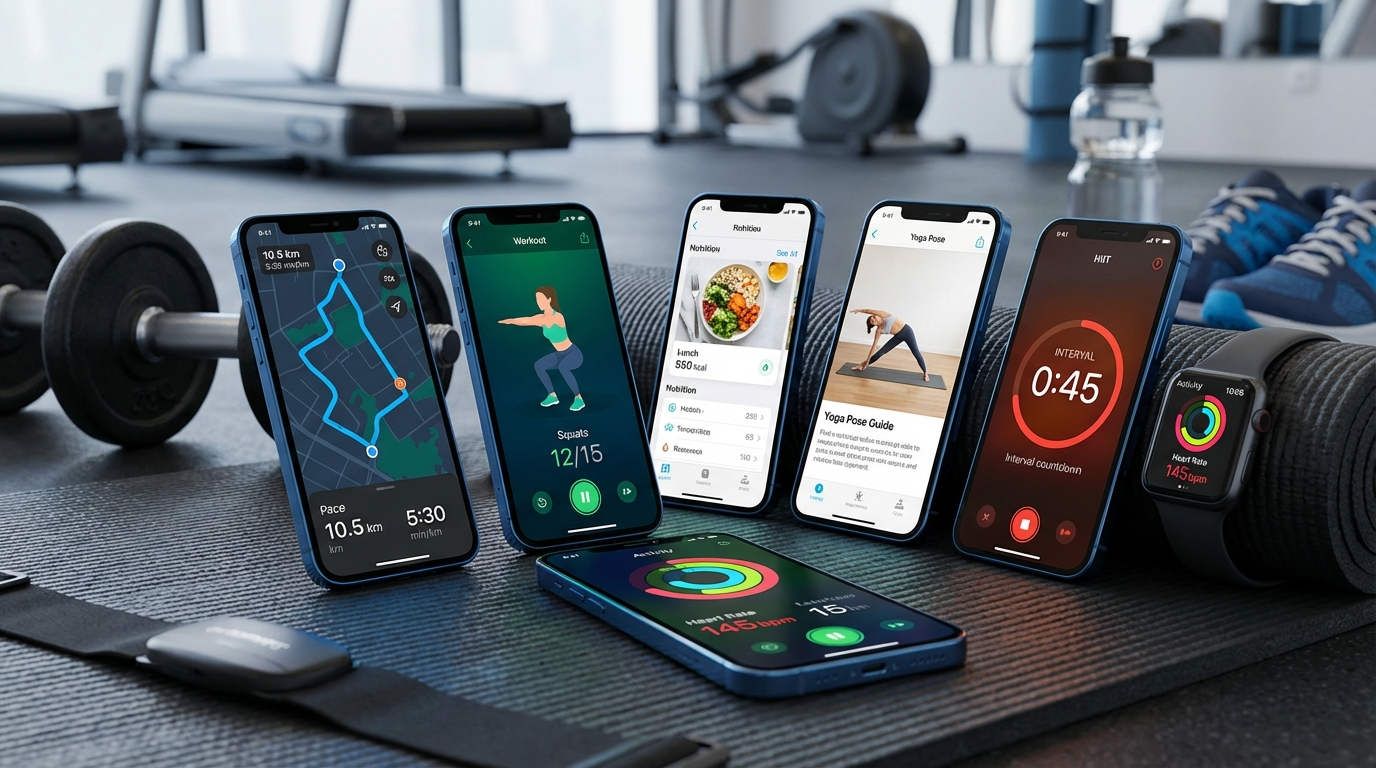
Finding affordable fitness apps that actually deliver results can feel overwhelming. The market is crowded with flashy promises and premium price tags. However, you do not need an expensive subscription to get expert guidance and structured workouts.
Today, technology makes fitness more accessible than ever. Because smartphones are always within reach, workouts can happen anywhere. Moreover, many platforms now offer professional training plans at a fraction of traditional gym costs.
While free apps exist, truly affordable fitness apps strike a balance between low price and high value. Therefore, this guide highlights five standout options that combine quality instruction, user-friendly design, and strong results.
Why Choose Budget-Friendly Workout Platforms?
Many people assume quality requires a high price. However, that is no longer true. Affordable fitness apps often provide professional coaching, progress tracking, and video demonstrations.
First, flexibility stands out as a major benefit. Users can train at home, outdoors, or while traveling. Additionally, most apps allow schedule customization.
Second, lower costs reduce financial pressure. Because monthly fees remain manageable, users maintain long-term consistency. Consequently, sustainable fitness habits become easier to build.
Moreover, many developers focus on community engagement. Interactive features motivate users to stay accountable. Therefore, affordability does not mean sacrificing support or quality.
Let’s explore five platforms that consistently earn positive reviews.
1. Nike Training Club
Nike Training Club ranks high among affordable fitness apps because it offers extensive free content. While premium plans exist, many workouts remain accessible at no cost.
Users can choose from strength, yoga, HIIT, and mobility sessions. Additionally, programs cater to beginners and advanced athletes alike.
Because professional trainers design the routines, quality remains consistent. Video demonstrations ensure proper form and safety.
Furthermore, structured programs help users follow progressive plans. Therefore, results feel measurable rather than random.
Although optional upgrades unlock more features, the free tier alone competes with paid services. As a result, Nike Training Club stands out in the budget-friendly fitness category.
2. FitOn
FitOn continues gaining popularity among affordable fitness apps. Unlike many competitors, it offers unlimited workouts without requiring a subscription.
The platform includes celebrity trainers and diverse class formats. From cardio to meditation, users find variety easily.
Because workouts range from quick 10-minute sessions to longer programs, flexibility remains high. Additionally, social features allow friends to join sessions virtually.
Premium features unlock meal plans and offline access. However, the free version still delivers strong value.
Consequently, FitOn appeals to users seeking professional instruction without monthly fees.
3. Centr
Centr, founded by actor Chris Hemsworth, blends affordability with premium content. Although it requires a subscription, pricing remains competitive compared to in-person training.
The app combines workouts, meal planning, and mindfulness practices. Therefore, it supports holistic wellness.
Because professional trainers and nutritionists contribute content, quality remains high. Structured programs guide users step by step.
Additionally, varied workout styles prevent boredom. Strength training, boxing, and yoga all appear within the platform.
While not entirely free, Centr remains one of the more affordable fitness apps offering comprehensive wellness guidance.
4. JEFIT
JEFIT focuses heavily on strength training. Among affordable fitness apps, it stands out for detailed tracking features.
Users log sets, reps, and weights easily. Over time, progress charts reveal improvements.
Because it offers extensive exercise libraries, beginners learn proper technique quickly. Advanced lifters also appreciate customizable programs.
The free version includes ads, yet functionality remains strong. Premium plans remove ads and unlock advanced analytics.
Consequently, JEFIT appeals to users who value data-driven progress without high costs.
5. Yoga for Beginners
For those seeking gentle movement, Yoga for Beginners ranks among accessible and affordable fitness apps. It offers structured yoga programs tailored to new practitioners.
Video guidance ensures proper alignment. Additionally, short sessions fit busy schedules.
Because flexibility improves gradually, beginners avoid feeling overwhelmed. Moreover, meditation sessions enhance mental clarity.
Premium upgrades expand class libraries. However, even the entry-level content delivers meaningful value.
Therefore, this app suits users seeking balance between physical strength and relaxation.
What to Look for in Quality Content
Choosing among affordable fitness apps requires attention to detail. Not all low-cost platforms deliver reliable guidance.
First, check instructor credentials. Certified trainers enhance safety and effectiveness. Second, evaluate workout structure.
Programs should progress logically. Random routines often fail to produce lasting results.
Additionally, look for clear video demonstrations. Proper form prevents injury.
Community features also matter. Because accountability increases motivation, interactive tools can improve consistency.
By focusing on these elements, users avoid wasting time on poorly designed platforms.
Comparing Cost vs. Value
Low price alone does not guarantee quality. Instead, value combines cost, content depth, and usability.
Some affordable fitness apps offer free tiers with limited features. Others provide inexpensive subscriptions with comprehensive access.
Therefore, consider long-term goals. If you prefer structured programs, investing a small monthly fee may provide better guidance.
On the other hand, casual exercisers may benefit from free options.
Ultimately, value depends on personal fitness objectives.
Staying Consistent with App-Based Workouts
Even the best affordable fitness apps cannot replace consistency. Regular engagement determines results.
Set realistic goals before starting. Additionally, schedule workouts like appointments.
Tracking progress within the app reinforces motivation. Because visible improvement builds confidence, users remain committed.
Moreover, mix different workout styles. Variety prevents burnout.
By combining discipline with accessible technology, fitness becomes achievable for nearly anyone.
The Future of Budget Fitness Technology
Fitness technology continues evolving rapidly. Artificial intelligence now personalizes workouts based on user data.
Additionally, wearable integration enhances tracking accuracy. Heart rate monitors and smartwatches sync seamlessly with many platforms.
Because demand for affordable fitness apps grows globally, competition drives innovation.
As a result, users benefit from improved features at lower prices.
In the coming years, expect even more customization and community-driven features.
Conclusion: Fitness Without Financial Barriers
Affordable fitness apps prove that quality workouts no longer require expensive gym memberships. With the right platform, anyone can access professional training from home.
Whether you prefer strength training, yoga, or high-intensity cardio, options exist for every budget. Moreover, flexible scheduling makes fitness more sustainable.
Although commitment remains essential, technology removes many barriers.
Ultimately, affordable fitness apps empower users to prioritize health without financial strain. By choosing wisely and staying consistent, you can achieve meaningful progress while protecting your wallet.
FAQ
- Are budget workout platforms effective for beginners?
Yes, many offer structured programs designed specifically for newcomers. - Do free fitness apps provide enough guidance?
Some do, especially those with professional trainers and clear video instruction. - How often should I use a training app?
Consistency matters most. Aim for at least three to five sessions weekly. - Can these platforms replace a gym membership?
For many people, yes. They provide flexibility and professional routines. - What features should I prioritize when choosing an app?
Look for certified instructors, structured programs, tracking tools, and positive user reviews.