
Benefits of Minimalist Living: Top 5 Unexpected Advantages
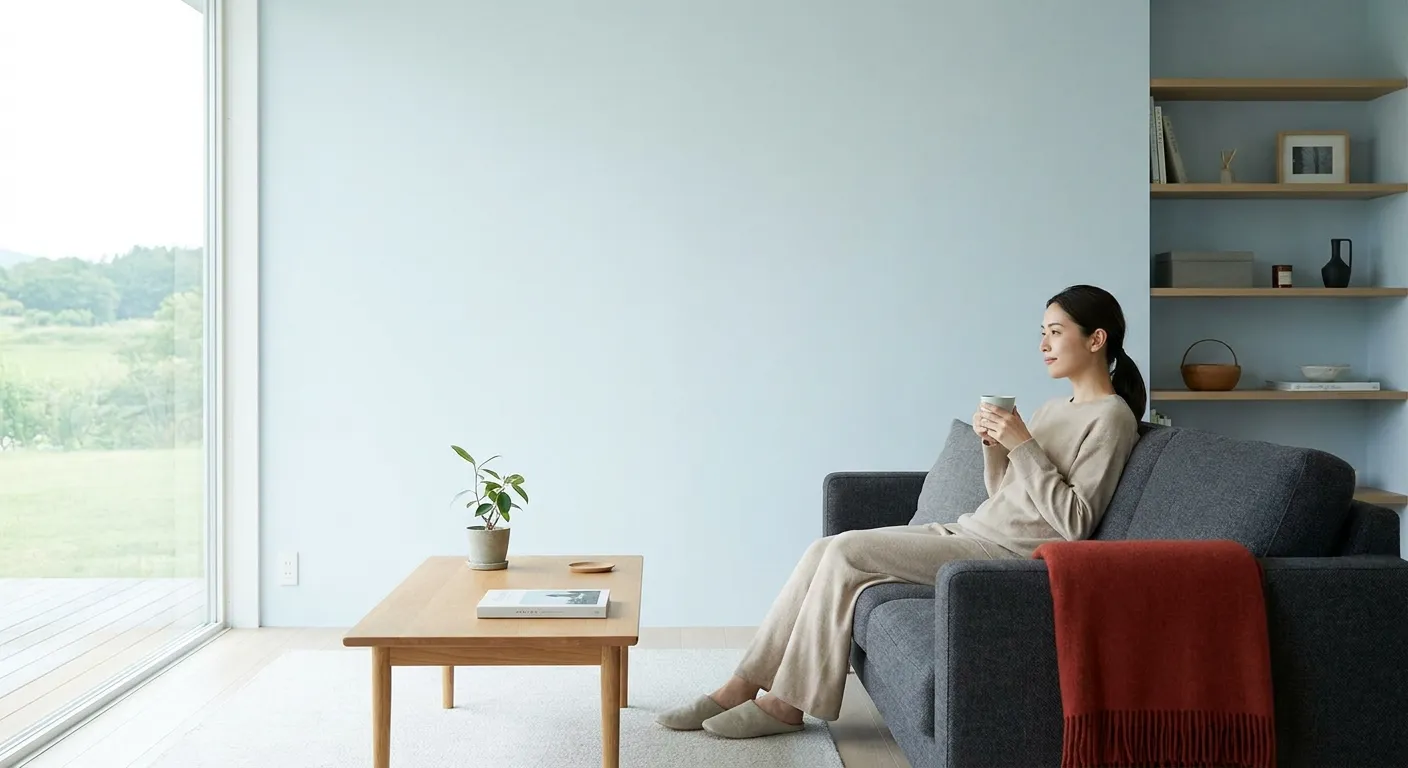
In a world often defined by accumulation, the philosophy of minimalism offers a refreshing counter-narrative. Embracing the benefits of minimalist living isn’t just about decluttering your home; it’s a holistic approach that can transform various aspects of your life, from your finances to your mental well-being. It encourages intentionality, prompting us to evaluate what truly adds value and what merely takes up space, both physically and metaphorically. Many people find that by shedding excess, they gain more than they lose, discovering a newfound sense of freedom and clarity. Consequently, this lifestyle shift can lead to profound positive changes.
1. Discovering the Benefits of Minimalist Living for Financial Freedom
One of the most tangible advantages of adopting a minimalist lifestyle is the profound impact it can have on your finances. By consciously consuming less and focusing on needs rather than wants, you naturally spend less money. This shift can lead to significant savings, reduce debt, and provide a greater sense of financial security. When you’re not constantly chasing the latest trends or accumulating unnecessary items, you free up resources that can be directed towards experiences, investments, or achieving long-term financial goals. This deliberate approach to spending highlights a core element of the benefits of minimalist living. Furthermore, it allows for a more secure financial future.
For example, consider the reduction in impulse purchases. People often buy things they don’t truly need, leading to financial strain. Minimalist principles encourage thoughtful consideration before any purchase. This practice helps individuals avoid unnecessary expenses. As a result, more money remains available for essential needs or long-term investments. This financial discipline is a cornerstone of the minimalist approach. It directly contributes to overall monetary health.
Moreover, fewer possessions mean lower associated costs. Think about storage, maintenance, and insurance for items. These can add up significantly over time. By reducing the number of belongings, you also reduce these hidden costs. Therefore, the financial advantages extend beyond just the initial purchase price. This comprehensive saving is a key part of the appeal of a simpler lifestyle. It truly supports financial independence.
2. Enhancing Mental Clarity and Reducing Stress
Beyond financial gains, minimalism offers substantial psychological benefits. A cluttered physical space often mirrors a cluttered mind. By simplifying your surroundings, you create an environment that promotes calm and reduces visual noise, which can in turn lessen stress and anxiety. Less stuff also means less to organize, clean, and maintain, freeing up valuable time and mental energy. This simplification allows for greater focus on personal growth, relationships, and hobbies, fostering a more intentional and less overwhelming existence. The mental peace derived from this lifestyle is often cited as a primary motivator for sustained minimalist practices. In fact, many report increased happiness.
Notably, the constant bombardment of choices in a consumerist society can be overwhelming. Deciding what to wear, what to buy, or what to keep can drain mental resources. Minimalism streamlines these decisions. It reduces the mental load. Consequently, individuals experience less decision fatigue. This allows for more energy to be directed towards meaningful activities. It’s a significant aspect of the positive outcomes of a minimalist approach.
Furthermore, a less cluttered home environment can lead to better sleep. Studies suggest that a peaceful bedroom, free from excessive items, contributes to improved rest. This directly impacts overall well-being and productivity. Therefore, simplifying your living space has ripple effects throughout your daily life. It’s a powerful way to enhance mental health.
3. Boosting Environmental Responsibility
An often-overlooked aspect of minimalist living is its positive environmental impact. By consuming less, individuals reduce their carbon footprint significantly. This includes less manufacturing, less transportation, and less waste. Choosing quality over quantity means fewer items end up in landfills. Moreover, a minimalist mindset often extends to conscious consumption. This involves supporting sustainable brands and practices. Consequently, the lifestyle promotes ecological awareness. It contributes to a healthier planet. This makes the benefits of minimalist living truly far-reaching.
For instance, reducing textile consumption is crucial. The fashion industry is a major polluter. Buying fewer clothes, and choosing durable, ethically produced garments, lessens this impact. Similarly, opting for reusable items over disposables cuts down on plastic waste. These small changes, adopted by many, create a substantial collective impact. It’s a practical way to live more sustainably.
Additionally, minimalism often encourages a greater appreciation for nature. When material possessions are less central, people tend to seek fulfillment in experiences. This includes spending time outdoors. Such activities foster a deeper connection to the environment. They also reinforce the desire to protect it. Therefore, embracing fewer things can lead to a greener lifestyle. This is a powerful, yet indirect, benefit.
4. Cultivating Deeper Relationships and Experiences
Minimalism shifts focus from material possessions to intangible aspects of life. This includes fostering stronger relationships. When you spend less time acquiring and maintaining stuff, more time becomes available for people. This means more quality time with family and friends. It also allows for pursuing hobbies and experiences. These are often more fulfilling than any material object. Consequently, relationships deepen. Life becomes richer in meaningful connections. This is a truly rewarding part of the minimalist journey.
Consider how often social gatherings revolve around consumerism. Shopping trips or comparing possessions can be common. Minimalist living encourages different kinds of interactions. It promotes shared activities, conversations, and mutual support. This leads to more authentic connections. People value genuine human interaction over material displays. This is a significant outcome of a simplified life.
Furthermore, the pursuit of experiences over possessions enriches one’s life story. Travel, learning new skills, or volunteering all contribute to personal growth. These memories last longer than any item. They also provide lasting satisfaction. Therefore, this shift in priorities is a profound advantage. It truly emphasizes what matters most. The benefits of minimalist living extend to a more connected social life.
5. Gaining Increased Time and Freedom
Perhaps one of the most liberating aspects of a minimalist lifestyle is the gift of time. Less stuff means less to clean, organize, and repair. This translates directly into more free hours each week. Imagine the possibilities with this newfound time. You could pursue a passion project, spend time with loved ones, or simply relax. This increased freedom allows for a more intentional allocation of your most precious resource: time. It is a fundamental element of the benefits of minimalist living.
For instance, consider the time saved on shopping. Many hours are spent browsing, comparing, and purchasing items. A minimalist approach drastically reduces this activity. Similarly, the time spent on maintaining a large home with many possessions is substantial. Less furniture, fewer decorations, and a streamlined wardrobe all contribute to quicker cleaning routines. This efficiency is a hallmark of a minimalist household.
This extra time also translates into greater flexibility. People can pursue personal development. They can learn new skills. They can even change careers if they choose. The reduced financial burden often associated with minimalism provides this flexibility. Therefore, individuals gain more control over their lives. This sense of autonomy is a powerful motivator. It truly enhances overall well-being. The benefits of minimalist living include this precious commodity of time.
Ultimately, the benefits of minimalist living extend far beyond a tidy home. It offers a pathway to greater financial stability, enhanced mental clarity, increased environmental responsibility, deeper relationships, and more personal freedom. By intentionally choosing less, individuals often find they gain so much more. This philosophy encourages a conscious evaluation of what truly adds value to life. It prompts a shift from endless acquisition to meaningful existence. As a result, many discover a more fulfilling and purpose-driven life. It’s a transformative journey that redefines success and happiness. For more insights on intentional living, explore resources like The Minimalists. Another great resource for simplifying your life is Zen Habits.
FAQ Section
What does a minimalist lifestyle truly mean?
A minimalist lifestyle involves intentionally promoting the things you most value and removing anything that distracts from it. It’s about living with less physical clutter to make room for more important aspects of life, like experiences, relationships, and personal growth. It emphasizes quality over quantity in all areas.
How can simplifying my home improve my finances?
Simplifying your home often leads to reduced spending. When you own fewer items, you buy less, which naturally saves money. You also reduce costs associated with storage, maintenance, and replacement of possessions. This financial discipline helps in building savings and reducing debt.
Is a minimalist approach good for the environment?
Yes, a minimalist approach is very beneficial for the environment. By consuming less, you reduce demand for manufactured goods, which lessens waste, pollution, and resource depletion. It encourages conscious choices and supports a more sustainable way of living.
Can a simpler way of life help with stress?
Absolutely. A less cluttered environment often leads to a less cluttered mind. With fewer possessions to manage, clean, and organize, you free up mental energy and time. This can significantly reduce stress and anxiety, promoting a calmer and more focused state of mind.
What are some unexpected gains from living simply?
Beyond the obvious, unexpected gains from living simply include cultivating deeper relationships, gaining more free time for passions, and experiencing greater personal freedom. It allows for a clearer understanding of what truly brings joy and fulfillment, shifting focus from material wealth to overall well-being.
Explore more: More from Top 5s