
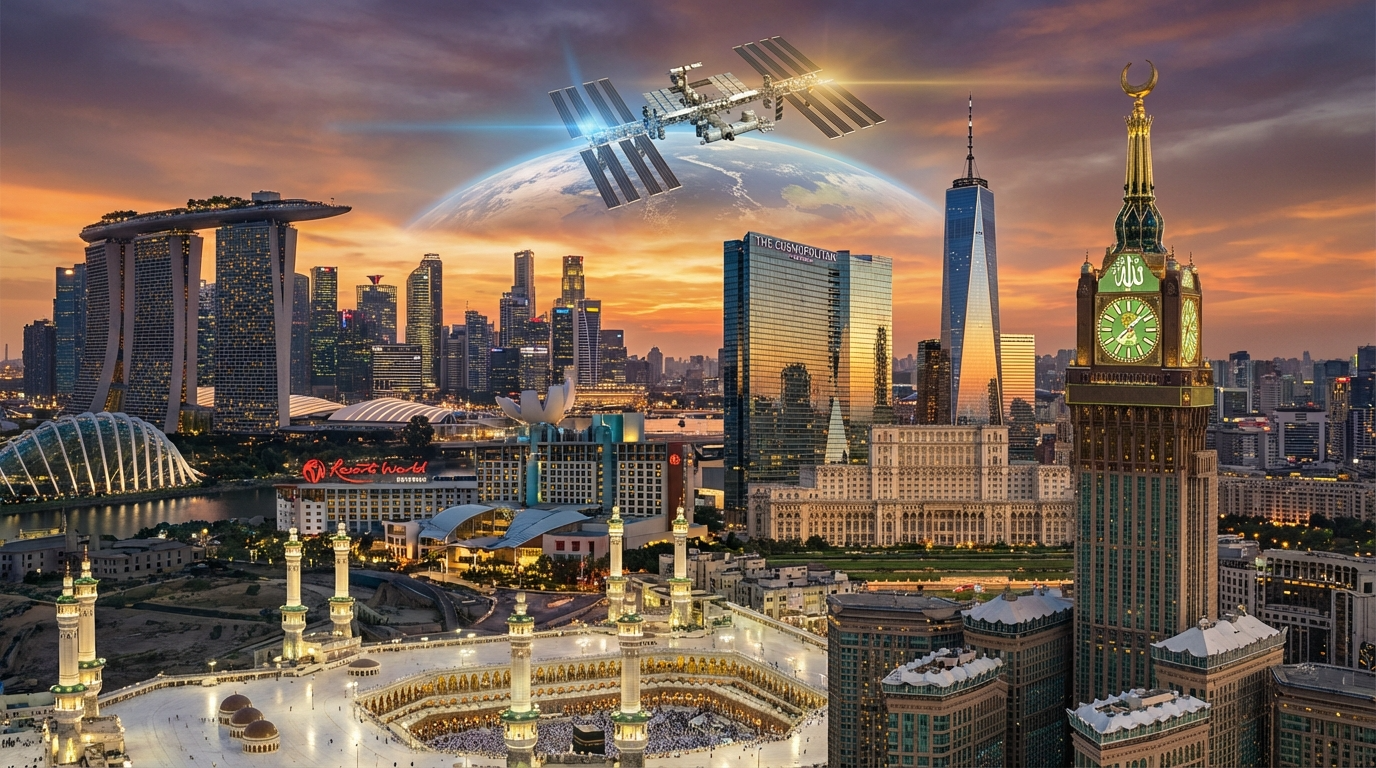
The most expensive buildings in history reflect ambition on a massive scale. From royal palaces to futuristic skyscrapers, these projects required billions of dollars and years of effort. While construction costs often spark debate, these landmarks showcase innovation, luxury, and national pride.
Throughout modern history, governments and corporations have invested heavily in iconic structures. Some aimed to symbolize wealth and power. Others pushed engineering limits. However, all required extraordinary planning and resources.
Although budgets frequently exceeded initial estimates, these architectural giants still stand as global attractions. Therefore, examining the most expensive buildings reveals how vision, technology, and economics intersect in remarkable ways.
Why Construction Costs Reach Billions
Before exploring the most expensive buildings, it helps to understand why certain projects cost so much. First, location dramatically affects price. Land in major cities commands premium rates.
Second, design complexity increases expenses. Unique shapes demand specialized materials and skilled labor. Consequently, ambitious architecture often drives costs upward.
Additionally, luxury features inflate budgets. High-end finishes, custom interiors, and advanced technology contribute heavily. Security systems, sustainability upgrades, and earthquake resistance also raise expenses.
Moreover, labor costs vary worldwide. In regions with strict safety regulations and high wages, construction becomes more expensive. Therefore, global economic conditions strongly influence final price tags.
Finally, delays and design changes frequently push budgets beyond projections. Large projects rarely proceed without adjustments. As a result, initial estimates often expand significantly.
Now, let’s examine five record-setting structures ranked among the most expensive buildings ever constructed.
1. Masjid al-Haram – Saudi Arabia
Masjid al-Haram in Mecca ranks at the very top of the most expensive buildings list. Expansion projects over recent decades have pushed total costs beyond $100 billion.
Unlike a typical building, this complex surrounds Islam’s holiest site, the Kaaba. Millions of pilgrims visit annually. Therefore, authorities expanded the structure to accommodate growing crowds.
Massive marble courtyards, retractable roofs, climate control systems, and advanced safety features required enormous investment. Additionally, surrounding infrastructure upgrades added billions to the total.
Because of its religious significance, cost considerations often take secondary importance. Instead, capacity, safety, and comfort drive expansion decisions.
Although construction occurred in phases, the final result stands as one of the largest and most expensive buildings ever created.
2. Abraj Al Bait – Saudi Arabia
Also located in Mecca, the Abraj Al Bait complex ranks among the most expensive buildings globally. Completed in 2012, this massive development reportedly cost around $15 billion.
The centerpiece tower rises over 600 meters tall. Moreover, the complex includes luxury hotels, shopping centers, and prayer spaces.
Its enormous clock face dominates the skyline. In fact, it ranks among the largest clock faces in the world. Advanced engineering supported both height and functionality.
Because of its proximity to Masjid al-Haram, land value contributed heavily to cost. Additionally, intricate design elements increased expenses.
Although critics debated its scale, the project transformed Mecca’s urban landscape. As a result, it firmly holds a place among the most expensive buildings ever constructed.
3. Marina Bay Sands – Singapore
Marina Bay Sands stands as one of the most recognizable luxury developments in Asia. Completed in 2010, the project cost approximately $5.7 billion.
The complex includes three hotel towers connected by a massive rooftop SkyPark. Notably, the infinity pool atop the structure spans the length of the platform.
Construction required innovative engineering to support the suspended rooftop garden. Consequently, structural reinforcement increased costs significantly.
In addition to hotel rooms, the development features casinos, theaters, and retail spaces. Because of its integrated design, Marina Bay Sands became a global tourism magnet.
Although it is not the tallest structure, it remains one of the most expensive buildings in Southeast Asia.
4. Apple Park – United States
Corporate ambition often rivals government projects. Apple Park in Cupertino, California, cost roughly $5 billion to build.
Unlike traditional office campuses, this circular headquarters reflects minimalist design principles. However, its simplicity hides extreme precision.
Custom curved glass panels surround the ring-shaped structure. Moreover, sustainable features such as solar panels and natural ventilation enhance efficiency.
Because Apple prioritized environmental performance, it invested heavily in renewable energy systems. Additionally, advanced materials and landscaping increased the budget.
Although it serves as a workplace rather than a tourist attraction, Apple Park ranks among the most expensive buildings in the corporate world.
5. The Cosmopolitan – United States
Located in Las Vegas, The Cosmopolitan reportedly cost nearly $4 billion. This luxury resort and casino opened in 2010.
The project features high-end suites, upscale dining, and extensive entertainment facilities. Moreover, its central Strip location significantly raised land expenses.
Unlike many casinos, The Cosmopolitan offers residential-style balconies in most rooms. Consequently, design complexity increased construction costs.
While it does not match religious megaprojects in scale, it still earns a place among the most expensive buildings in the hospitality sector.
Common Features of High-Cost Structures
Despite differences in purpose, the most expensive buildings share several traits. First, they prioritize scale. Massive square footage drives material and labor costs upward.
Second, they emphasize innovation. Unique designs require specialized expertise. Therefore, architectural ambition directly impacts price.
Third, luxury remains central. High-end finishes, premium amenities, and custom features significantly increase total investment.
Additionally, sustainability plays a growing role. Modern megaprojects integrate green technology, which raises upfront costs but reduces long-term expenses.
Because of these shared factors, billion-dollar price tags become easier to understand.
Economic Impact and Return on Investment
Large construction budgets often spark controversy. However, these projects can generate long-term economic benefits.
Tourism revenue, job creation, and global recognition often justify high costs. For example, Marina Bay Sands significantly boosted Singapore’s tourism industry.
Similarly, Apple Park strengthens corporate branding and innovation culture. Although its cost appears massive, the company views it as a strategic investment.
Nevertheless, not every expensive project guarantees financial success. Poor planning or economic downturns can reduce returns.
Therefore, while the most expensive buildings showcase ambition, careful financial strategy remains essential.
Engineering Challenges Behind the Price
Constructing record-breaking structures involves immense challenges. Complex foundations support skyscrapers in earthquake-prone zones. Advanced HVAC systems regulate climate in massive spaces.
Additionally, safety standards require extensive testing and reinforcement. Fire protection, evacuation systems, and crowd control measures demand precision.
Because these elements require research and development, costs rise rapidly. However, they also ensure durability and security.
While casual observers may focus on appearance, much of the expense lies beneath the surface.
Luxury, Symbolism, and National Identity
Some high-cost structures serve symbolic purposes. Religious sites and cultural landmarks often reflect national pride.
For instance, Masjid al-Haram represents spiritual centrality for millions worldwide. Similarly, iconic skylines elevate global status.
Therefore, spending billions may reflect values beyond profit. Governments often justify such investment as long-term cultural capital.
Although critics question extravagant budgets, supporters argue these landmarks create lasting legacy.
Conclusion: Ambition Built in Steel and Stone
The most expensive buildings ever constructed demonstrate how far human ambition can reach. From sacred spaces to corporate headquarters, each structure reflects bold vision.
While costs often soar into billions, these projects reshape skylines and economies. Moreover, they push engineering boundaries and inspire future innovation.
Although not everyone agrees with such expenditures, these landmarks undeniably capture attention. They symbolize power, creativity, and progress.
Ultimately, the most expensive buildings stand as monuments to human determination. Whether for faith, business, or tourism, they prove that architecture can transform both cities and history.
FAQ
- What is the costliest structure ever built?
Masjid al-Haram in Mecca holds the record due to massive expansion investments. - Why do mega projects exceed their budgets?
Design changes, labor costs, and advanced technology often increase final expenses. - Are corporate headquarters among the priciest constructions?
Yes, companies like Apple have invested billions in innovative campuses. - Do expensive buildings guarantee profit?
Not always. Financial success depends on location, planning, and economic conditions. - What factors drive construction costs so high?
Land value, materials, labor, technology, and luxury features all contribute significantly.