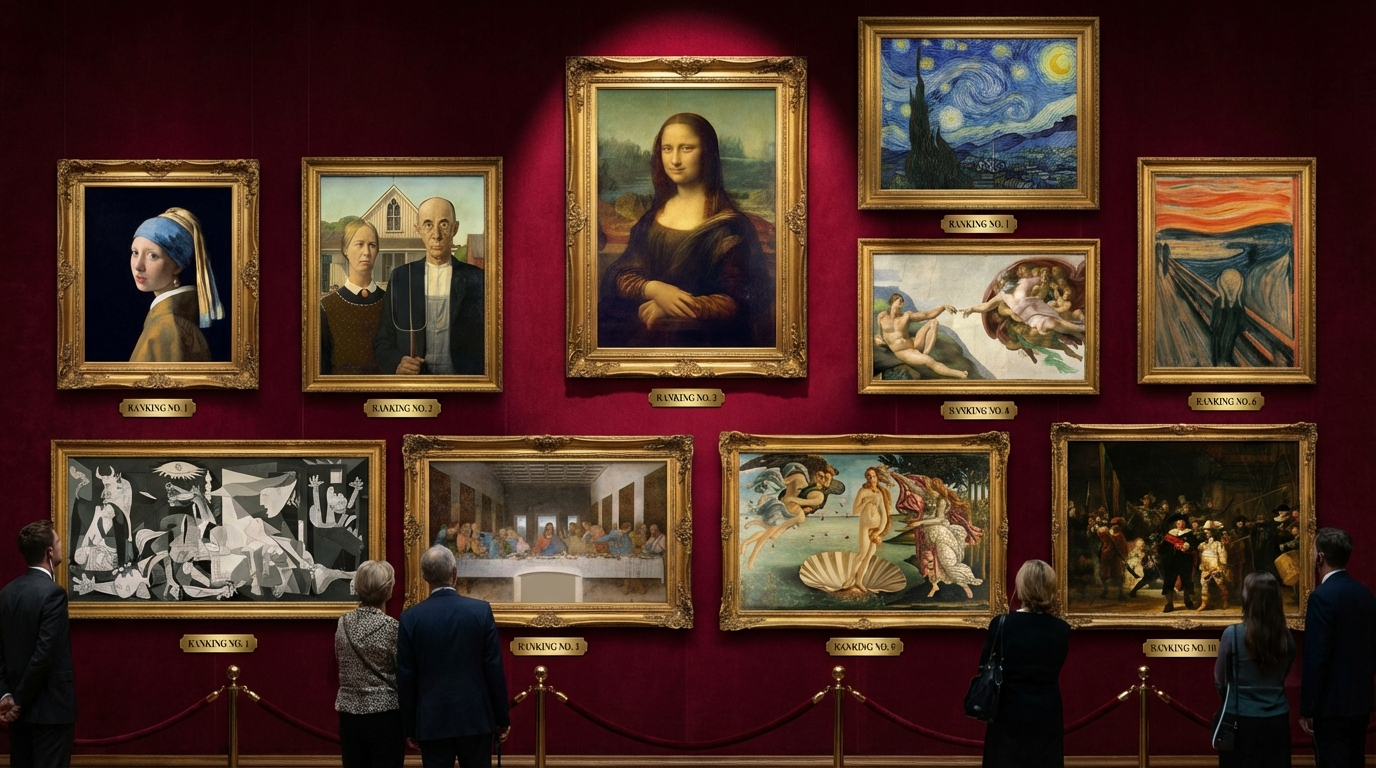
The most famous paintings in history have shaped culture, inspired generations, and transformed how we see the world. These masterpieces go beyond color and canvas. Instead, they capture emotion, innovation, and the spirit of their time.
Although thousands of artworks hang in museums worldwide, only a select few achieve universal recognition. Because of their influence and enduring appeal, they remain central to conversations about art.
Some sparked controversy. Others introduced new techniques. However, all continue to attract millions of visitors each year. Therefore, exploring the most famous paintings reveals not only artistic brilliance but also cultural evolution.
Let’s dive into five iconic works that continue to define artistic excellence.
How Paintings Become World-Famous
Before ranking the most famous paintings, it helps to understand what makes art iconic. Technical skill alone does not guarantee fame. Instead, a combination of innovation, historical context, and public fascination elevates certain works.
For example, revolutionary techniques often capture attention. Additionally, dramatic backstories can increase intrigue. Sometimes theft, controversy, or mystery boosts recognition.
Moreover, accessibility matters. Museums like the Louvre and the Vatican attract global visitors. Consequently, paintings displayed there gain broader exposure.
Cultural reproduction also plays a role. When images appear in textbooks, films, and merchandise, familiarity grows. Over time, recognition transforms into legendary status.
Now, let’s explore five masterpieces that stand among the most famous paintings ever created.
1. Mona Lisa by Leonardo da Vinci
No list of the most famous paintings would be complete without the Mona Lisa. Painted in the early 16th century, this portrait hangs in the Louvre Museum in Paris.
At first glance, the image seems simple. However, the mysterious smile captivates viewers worldwide. Because Leonardo mastered sfumato, the soft blending technique creates lifelike depth.
Additionally, her gaze appears to follow observers around the room. This subtle illusion enhances fascination. Over centuries, scholars debated her identity and expression.
In 1911, the painting was stolen from the Louvre. Consequently, global headlines increased its fame dramatically. Although recovered two years later, the theft cemented its legendary status.
Today, millions visit annually to see this masterpiece. Therefore, the Mona Lisa remains the most recognizable of the most famous paintings in art history.
2. The Starry Night by Vincent van Gogh
Painted in 1889, The Starry Night showcases swirling skies and vibrant blues. Unlike traditional landscapes, this piece reflects emotional intensity.
Van Gogh created it while staying in a mental asylum in Saint-Rémy. Although he struggled during his lifetime, his posthumous recognition skyrocketed. Because of its expressive brushwork, the painting symbolizes artistic passion.
The bold strokes create movement across the canvas. Meanwhile, contrasting colors heighten drama. As a result, viewers feel immersed in the night sky.
Interestingly, Van Gogh sold very few paintings during his life. However, today his works rank among the most famous paintings worldwide.
The Starry Night represents resilience and creative vision. Consequently, it continues to inspire artists and art lovers alike.
3. The Last Supper by Leonardo da Vinci
Leonardo appears again with The Last Supper. Painted in the late 15th century, this mural depicts Jesus and his disciples during a pivotal biblical moment.
Unlike earlier depictions, Leonardo arranged the figures dynamically. Therefore, each apostle reacts differently to the announcement of betrayal. This emotional realism set a new standard.
Unfortunately, Leonardo experimented with materials. As a result, the painting deteriorated quickly. Restoration efforts spanned decades.
Despite damage, its composition remains revolutionary. Because of its religious significance and artistic innovation, it stands among the most famous paintings in the world.
Today, visitors travel to Milan to view this historic masterpiece. Its influence on religious art remains profound.
4. The Persistence of Memory by Salvador Dalí
Few artworks capture surrealism like The Persistence of Memory. Painted in 1931, this piece features melting clocks draped over dreamlike landscapes.
Dalí challenged traditional logic. Instead, he explored subconscious imagery. Consequently, viewers interpret the painting in countless ways.
The distorted clocks symbolize fluid time. However, interpretations vary widely. Because surrealism encourages imagination, meaning remains open-ended.
Although smaller in size compared to other masterpieces, its impact remains enormous. Reproductions appear in textbooks and pop culture frequently.
Due to its striking imagery and philosophical undertones, it holds a firm place among the most famous paintings of the 20th century.
5. Girl with a Pearl Earring by Johannes Vermeer
Often called the “Dutch Mona Lisa,” this 17th-century portrait captivates audiences with quiet elegance. The subject’s identity remains unknown. However, her luminous gaze draws viewers instantly.
Vermeer used subtle lighting and delicate color contrast. Consequently, the pearl earring appears almost glowing against the dark background.
Unlike elaborate historical scenes, this painting focuses on intimacy. Therefore, emotional connection replaces dramatic storytelling.
Because of its simplicity and mystery, it gained global recognition centuries after its creation. Today, it ranks among the most famous paintings displayed in museums worldwide.
Its timeless appeal proves that subtle artistry can rival grand spectacle.
Why These Masterpieces Endure
Many artworks gain attention briefly. However, only a few withstand centuries of change. So what makes these works endure?
First, they introduced innovation. Whether through technique or perspective, each painting changed artistic direction. Additionally, strong emotional resonance keeps audiences engaged.
Moreover, cultural storytelling enhances legacy. Theft, rediscovery, or controversy adds layers of intrigue. Consequently, public interest never fades.
Accessibility also strengthens recognition. When museums promote these works globally, new generations encounter them.
Because of these factors, the most famous paintings continue influencing art, fashion, and design today.
The Role of Museums and Media
Museums preserve and promote iconic art. For instance, the Louvre safeguards several masterpieces. Consequently, tourists worldwide encounter these treasures firsthand.
Media further amplifies fame. Films, documentaries, and books highlight their stories. Additionally, digital platforms allow virtual tours.
Because of widespread exposure, recognition spreads beyond art enthusiasts. Even those unfamiliar with art history often recognize these images.
Reproductions on posters, clothing, and merchandise also reinforce visibility. Therefore, cultural saturation plays a crucial role in sustaining the most famous paintings in public memory.
Artistic Innovation and Technique
Each painting introduced technical breakthroughs. Leonardo perfected atmospheric perspective. Van Gogh embraced expressive brushwork. Dalí explored dreamlike symbolism.
Because artists challenged norms, their work stood out. Over time, innovation earned admiration.
Moreover, mastery of light and composition enhanced realism. Subtle details created emotional depth. Consequently, viewers feel connected across centuries.
While artistic movements evolve, foundational techniques remain influential. Therefore, studying these masterpieces reveals the roots of modern art.
Cultural Impact Across Generations
These artworks extend beyond museum walls. Designers reference them. Writers draw inspiration from them. Even advertising borrows imagery.
Because they appear in education systems worldwide, familiarity begins early. Consequently, recognition strengthens over time.
Additionally, global travel increases exposure. Visitors often prioritize seeing iconic works in person.
As a result, the most famous paintings maintain relevance despite changing artistic trends.
Conclusion: Timeless Works of Human Creativity
The most famous paintings transcend time and geography. They capture emotion, challenge perception, and redefine artistic boundaries.
Although art styles shift over centuries, these masterpieces remain central to cultural conversation. Their innovation, mystery, and emotional power ensure lasting admiration.
From Renaissance portraits to surreal dreamscapes, each work reflects a unique moment in history. However, their influence continues today.
Ultimately, the most famous paintings remind us of humanity’s capacity for creativity. They prove that a single canvas can shape generations.
FAQ
- What painting is considered the most recognized worldwide?
The Mona Lisa is widely regarded as the most universally recognized artwork. - Why did Van Gogh become famous after his death?
His innovative style gained appreciation years after his lifetime. - Where can I see The Last Supper?
It is located in Milan, Italy, at the Convent of Santa Maria delle Grazie. - What makes surrealist art unique?
It explores dreams, imagination, and subconscious symbolism rather than realism. - Why do certain artworks remain popular for centuries?
Innovation, emotional depth, and cultural storytelling help sustain their legacy.