
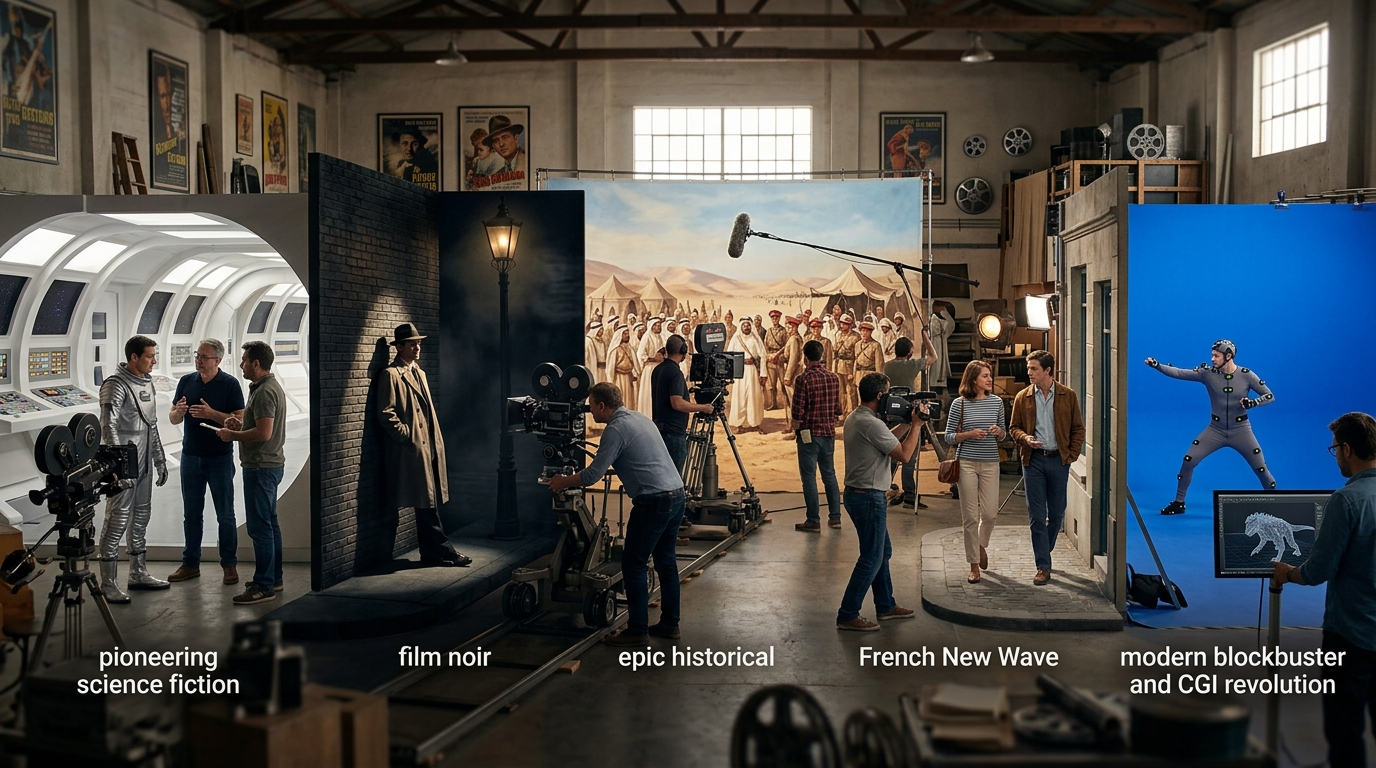
Throughout history, certain films have stood out as true turning points, becoming movies that changed cinema in ways audiences could never forget. These films did more than entertain. They introduced new techniques, challenged storytelling norms, and inspired generations of filmmakers. Because of this, they continue to influence how movies are made today.
Cinema has always evolved alongside technology and culture. However, only a few productions manage to redefine the entire industry. These movies that changed cinema pushed creative boundaries and reshaped audience expectations. As a result, they remain essential viewing for anyone who wants to understand the art of filmmaking.
What Makes A Film Truly Transformational
Before exploring specific examples, it helps to understand what qualifies as a groundbreaking film. Not every successful movie earns this title. Instead, movies that changed cinema often introduce something entirely new, whether in visual effects, narrative structure, or emotional depth.
For example, some films revolutionize technology. Others redefine how stories are told. In many cases, they do both. Because of this, their impact goes beyond box office success. They influence future directors, writers, and even entire genres.
Additionally, timing plays a crucial role. A film released during a cultural shift can amplify its impact. When audiences are ready for change, innovation becomes more powerful. Therefore, the movies that changed cinema often arrive at the perfect moment.
Citizen Kane And The Birth Of Modern Filmmaking
Few films are discussed as often as Citizen Kane when talking about movies that changed cinema. Released in 1941, it introduced techniques that are still studied today. Its use of deep focus cinematography allowed multiple layers of action to remain sharp within a single frame.
Moreover, the film experimented with nonlinear storytelling. Instead of following a simple timeline, it explored the life of Charles Foster Kane through different perspectives. This approach added depth and complexity to the narrative.
The film also used innovative camera angles and lighting. These techniques created a more immersive experience for viewers. As a result, Citizen Kane became a blueprint for modern filmmaking. Even decades later, it remains one of the most influential movies that changed cinema.
Star Wars And The Rise Of Blockbuster Culture
When Star Wars premiered in 1977, it transformed the industry in ways few could predict. It is widely considered one of the movies that changed cinema by redefining visual effects and storytelling on a massive scale.
The film introduced groundbreaking special effects through Industrial Light & Magic. These innovations set a new standard for science fiction and fantasy films. In addition, its epic storytelling and memorable characters captured global audiences.
Furthermore, Star Wars helped establish the modern blockbuster model. Merchandising, sequels, and franchise storytelling became central to Hollywood’s strategy. Because of this, it reshaped how studios approached filmmaking and marketing.
Even today, its influence is visible in countless films. Therefore, it remains one of the most impactful movies that changed cinema worldwide.
The Matrix And A New Visual Language
The Matrix, released in 1999, introduced a fresh visual style that quickly became iconic. It stands among the movies that changed cinema by blending philosophy, action, and cutting-edge technology.
One of its most famous contributions is the “bullet time” effect. This technique allowed the camera to move around slow-motion action sequences. As a result, it created a dynamic and immersive viewing experience.
In addition, the film explored complex themes about reality and identity. These ideas resonated with audiences and added depth to the action genre. Because of this, The Matrix influenced both storytelling and visual design.
Its impact can still be seen in modern films and video games. Consequently, it remains one of the defining movies that changed cinema at the turn of the century.
Avatar And The Evolution Of Digital Filmmaking
James Cameron’s Avatar, released in 2009, pushed the boundaries of digital filmmaking. It is often cited as one of the movies that changed cinema due to its groundbreaking use of motion capture and 3D technology.
The film created an immersive world that felt alive and detailed. Its use of performance capture allowed actors to convey emotion through digital characters. This innovation set a new standard for visual storytelling.
Additionally, Avatar popularized 3D cinema in a way no previous film had achieved. Audiences experienced movies in a more engaging and interactive format. Because of this, studios began investing heavily in similar technologies.
Although technology continues to evolve, Avatar remains one of the most influential movies that changed cinema in the digital age.
Parasite And The Power Of Global Storytelling
Parasite, released in 2019, proved that language is no barrier to powerful storytelling. It is one of the movies that changed cinema by breaking cultural and industry barriers.
The film became the first non-English-language movie to win the Academy Award for Best Picture. This achievement highlighted the growing importance of global cinema. As a result, audiences became more open to international films.
Moreover, Parasite seamlessly blended genres, combining drama, thriller, and dark comedy. This approach created a unique and unpredictable narrative. Because of this, it challenged traditional storytelling conventions.
Its success demonstrated that compelling stories can resonate worldwide. Therefore, it stands as one of the most recent movies that changed cinema on a global scale.
Why These Films Still Matter Today
Even years after their release, these films continue to shape the industry. The movies that changed cinema remain relevant because their innovations have become standard practices. Techniques once considered revolutionary are now part of everyday filmmaking.
Additionally, these films inspire new generations of creators. Directors study them to understand storytelling, pacing, and visual composition. As a result, their influence extends far beyond their original release.
Audiences also benefit from these advancements. Modern films offer richer visuals, deeper narratives, and more immersive experiences. Because of this, the legacy of the movies that changed cinema continues to grow.
The Future Of Cinema Innovation
Looking ahead, the industry shows no signs of slowing down. Technology continues to evolve, offering new possibilities for filmmakers. Virtual reality, artificial intelligence, and advanced CGI are shaping the future of storytelling.
At the same time, audiences demand fresh and meaningful content. This combination encourages innovation and creativity. Therefore, new films will likely join the list of movies that changed cinema in the years to come.
Moreover, global collaboration is becoming more common. Filmmakers from different cultures bring unique perspectives to the industry. As a result, cinema continues to expand and diversify.
Ultimately, the future of film will be defined by those willing to take risks. Just like the pioneers before them, they will create movies that changed cinema for future generations.
Conclusion
The movies that changed cinema have left an undeniable mark on the industry. From the technical brilliance of Citizen Kane to the global impact of Parasite, each film represents a moment of transformation. These works did more than entertain. They reshaped how stories are told and experienced.
While technology and trends continue to evolve, the importance of innovation remains constant. Filmmakers who challenge conventions drive the industry forward. Because of this, the legacy of these groundbreaking films will continue to inspire.
In the end, cinema is a reflection of creativity and progress. The movies that changed cinema remind us that storytelling has no limits. With each new breakthrough, the art form continues to evolve, offering endless possibilities for the future.
FAQ
- What defines a film as groundbreaking?
A groundbreaking film introduces new techniques, storytelling methods, or cultural impact that influences future filmmaking. - Why is Citizen Kane considered so important?
It introduced innovative cinematography and narrative structure that shaped modern filmmaking. - How did Star Wars change the industry?
It revolutionized special effects and created the modern blockbuster and franchise model. - What makes Parasite unique in cinema history?
It broke language barriers and proved global films can achieve mainstream success. - Will more films transform cinema in the future?
Yes, as technology and creativity evolve, new films will continue to redefine the industry.