Learning how to verify social media information has become a critical digital skill. Every day, millions of posts, images, and videos circulate online. However, not all of them are accurate. Because misinformation spreads quickly, users must think critically before sharing content.
False claims can influence opinions, damage reputations, and even impact public safety. Therefore, taking a few extra minutes to confirm authenticity makes a significant difference. Although platforms attempt to moderate misleading posts, responsibility ultimately falls on users.
Fortunately, simple verification strategies can dramatically reduce the risk of spreading falsehoods. In this guide, you will discover five effective methods to verify social media information and protect yourself from digital misinformation.
Why Misinformation Spreads So Easily
Before you verify social media information, it helps to understand why false content spreads quickly. First, emotional reactions drive engagement. Posts that trigger anger or excitement often gain rapid shares.
Second, algorithms prioritize engagement over accuracy. Consequently, controversial content sometimes appears more frequently in feeds.
Additionally, visual content increases credibility. Images and videos feel authentic even when manipulated. Because editing tools are widely accessible, fabricated visuals circulate easily.
Moreover, confirmation bias plays a role. People tend to believe information that supports existing views.
Understanding these dynamics encourages caution. Therefore, applying verification methods becomes essential.
1. Check the Original Source
The first step to verify social media information involves identifying the original source. Ask yourself: Who created this content?
Click through links instead of relying on headlines. Sometimes, posts misrepresent articles intentionally. Therefore, reading full reports provides better context.
Additionally, examine the website domain carefully. Reputable news organizations maintain consistent branding and professional design.
If no source appears, treat the content with skepticism. Anonymous posts often lack accountability.
Furthermore, verify whether other credible outlets report the same claim. Reliable information typically appears across multiple trustworthy platforms.
By tracing content to its origin, you significantly improve your ability to verify social media information effectively.
2. Examine the Author’s Credibility
Not all experts are equal. Therefore, evaluate the author behind a claim.
Search for professional background details. Does the person have relevant qualifications? Additionally, check previous publications.
Because impersonation accounts exist, confirm verified badges where applicable.
Look for signs of bias. Authors promoting extreme views may present selective evidence.
Moreover, investigate whether the individual has faced previous misinformation accusations.
When credentials and expertise align with the topic, credibility increases. Consequently, thorough evaluation strengthens your ability to verify social media information responsibly.
3. Cross-Reference with Fact-Checking Websites
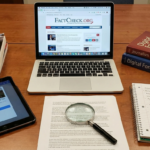
Fact-checking organizations specialize in reviewing viral claims. Therefore, they serve as valuable resources when you verify social media information.
Websites like Snopes, PolitiFact, and FactCheck.org regularly analyze trending stories. Additionally, international platforms cover global issues.
Search keywords from the post along with “fact check.” Often, detailed breakdowns appear quickly.
Because professional fact-checkers cite sources transparently, their reports enhance understanding.
However, avoid relying on a single site exclusively. Instead, compare multiple analyses for balanced insight.
Using independent verification services significantly reduces the chance of sharing false content.
4. Analyze Images and Videos Carefully
Visual media often feels convincing. Yet manipulation remains common. To verify social media information accurately, analyze multimedia critically.
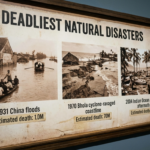
First, perform reverse image searches using tools like Google Images or TinEye. These tools reveal earlier appearances of the same photo.
If an image appears years before the claimed event, it likely lacks context.
Additionally, inspect lighting, shadows, and inconsistencies. Poor editing sometimes leaves visible traces.
For videos, check upload dates and channel history. Sudden viral clips may lack background information.
By investigating visual elements thoroughly, you enhance your ability to verify social media information beyond surface impressions.
5. Evaluate Date, Context, and Timing
Old stories often resurface as new developments. Therefore, verifying publication dates becomes essential.
Check timestamps carefully. A genuine event from years ago may appear misleading if presented as current.
Additionally, read surrounding context. Headlines sometimes exaggerate details.
Because partial information distorts understanding, reviewing full articles clarifies intent.
Moreover, consider timing. Certain claims surge during elections or crises intentionally.
By examining context and chronology, you strengthen your skill to verify social media information accurately.
The Role of Critical Thinking
Beyond tools and websites, mindset matters. Approaching content skeptically improves judgment.
Pause before reacting emotionally. Ask yourself whether the claim seems unusually dramatic.
Additionally, question motivations behind posts. Some accounts aim to provoke rather than inform.
Because digital literacy develops through practice, consistent evaluation builds confidence.
How Algorithms Influence Perception
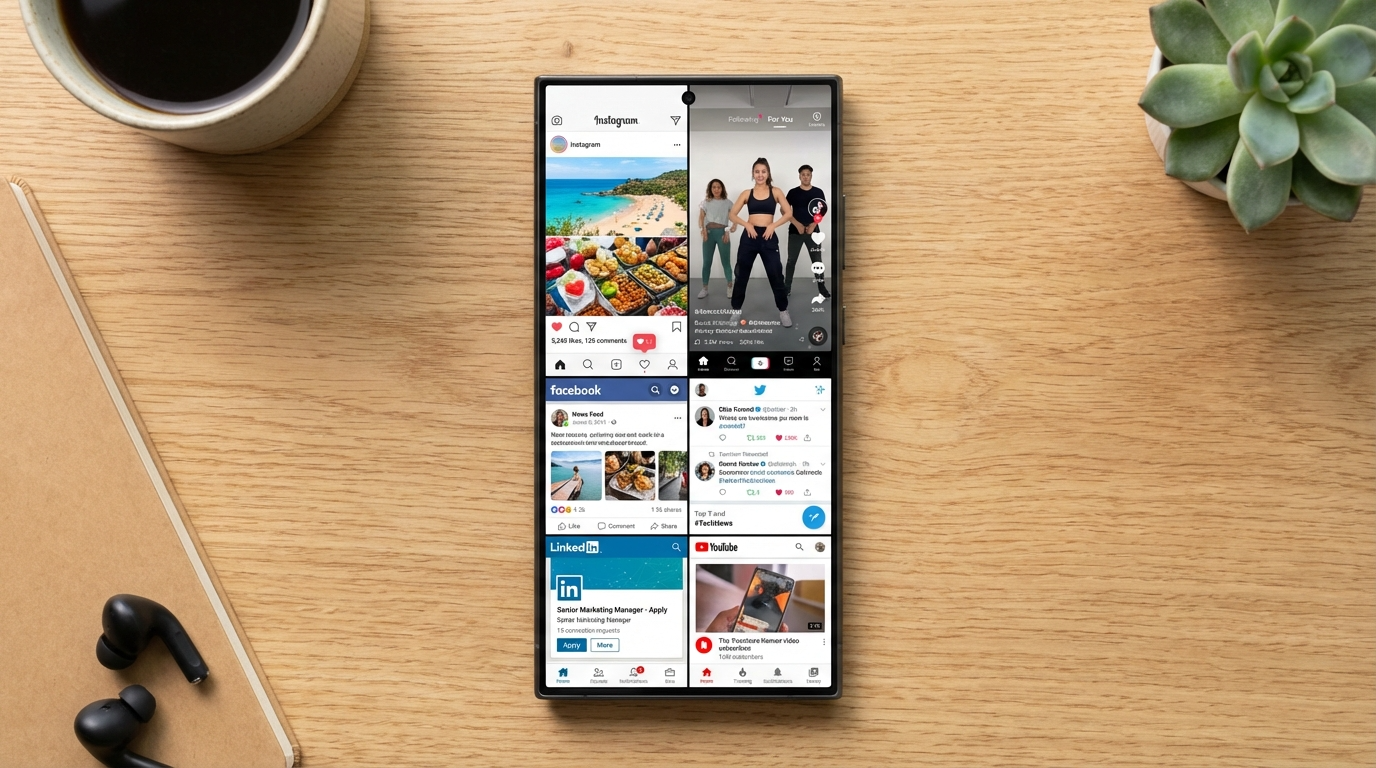
Social media algorithms personalize content feeds. Consequently, users see posts aligned with interests.
While convenient, this personalization can create echo chambers. As a result, diverse viewpoints diminish.
Recognizing this limitation encourages broader research.
Therefore, expanding news sources supports balanced understanding.
Common Red Flags to Watch For
Certain warning signs indicate unreliable content.
Sensational language often signals exaggeration. Additionally, excessive punctuation or all-caps headlines reduce credibility.
Lack of citations also raises concerns.
Moreover, requests to “share immediately” without evidence often suggest manipulation.
Identifying these red flags strengthens your effort to verify social media information before amplifying it.
Teaching Others Digital Verification Skills
Helping others develop verification habits strengthens communities.
Encourage friends and family to question viral posts.
Share reliable resources proactively.
Because misinformation affects everyone, collective awareness creates safer online spaces.
The Importance of Responsible Sharing
Every share amplifies visibility. Therefore, responsibility extends beyond consumption.
Before reposting, confirm authenticity thoroughly.
By practicing diligence, you contribute to healthier digital discourse.
Conclusion: Empower Yourself with Verification Skills
Learning to verify social media information protects both individuals and communities. In an age of rapid digital communication, accuracy matters more than ever.
Although misinformation spreads easily, simple steps can counter its influence.
From checking original sources to analyzing images, each method enhances awareness.
Ultimately, critical thinking and careful research empower users to navigate social platforms responsibly.
By taking the time to verify social media information, you help build a more informed and trustworthy online environment.
FAQ
- Why is it important to check the original source?
Because original sources provide context and accountability behind claims. - How can I confirm if an image is authentic?
Use reverse image search tools to trace earlier appearances. - Are fact-checking websites always reliable?
They are generally trustworthy, but comparing multiple sources increases confidence. - What role do algorithms play in misinformation?
Algorithms prioritize engagement, which can amplify sensational content. - How can I help others avoid spreading false claims?
Encourage critical thinking and share trusted verification resources.