
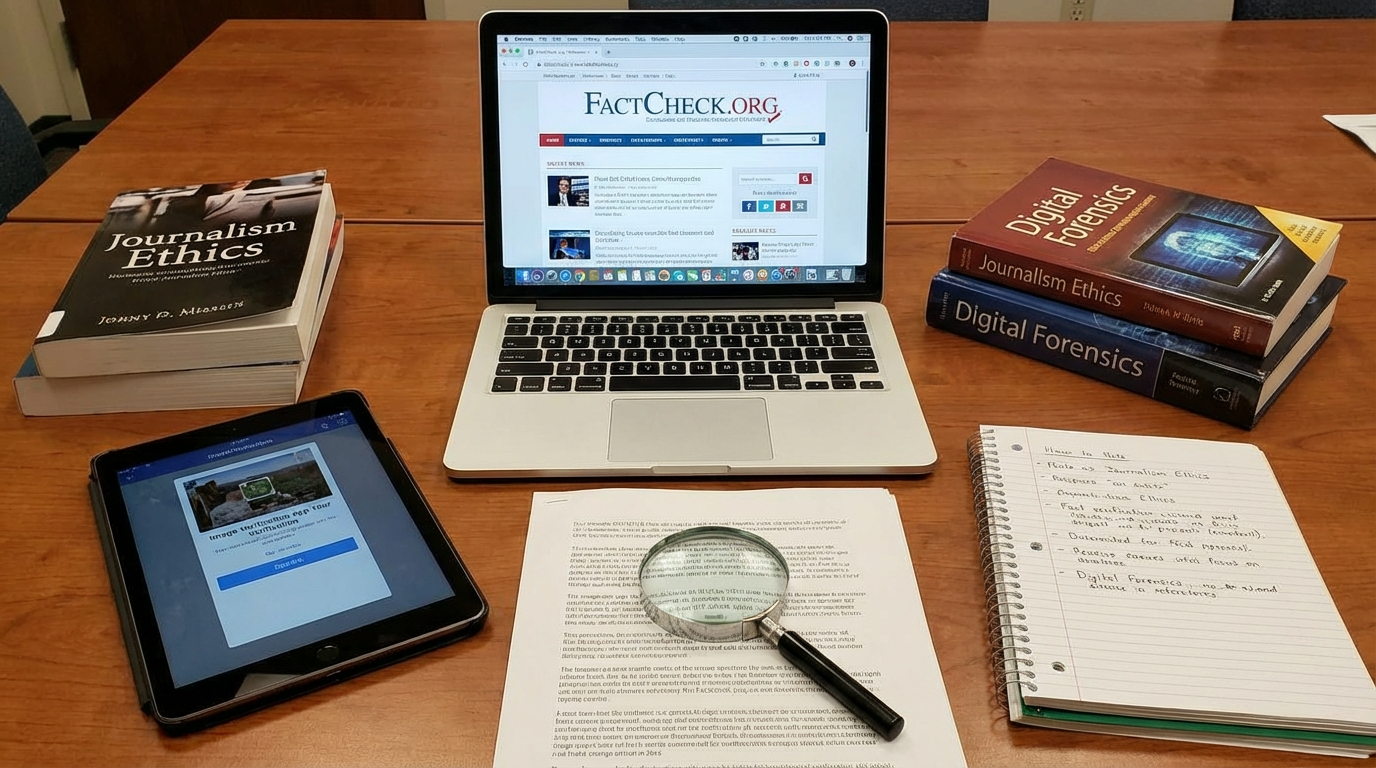
Misinformation spreads faster than ever. Social media posts, viral videos, and manipulated headlines can mislead millions within hours. Therefore, using reliable Fact Verification Tools has become essential for journalists, researchers, and everyday readers.
However, verifying information requires more than a quick search. It demands structured analysis, cross-checking, and source evaluation. Because credibility affects public trust, accurate reporting remains critical in every industry.
In this guide, we explore five investigative essentials that stand out among today’s most effective Fact Verification Tools. Each one supports source validation, image analysis, or data confirmation. By understanding how these tools work, you can strengthen your research process and avoid spreading false information.
Why Fact Verification Matters More Than Ever
Digital content travels instantly. As a result, false claims can influence opinions before corrections appear. Additionally, AI-generated media complicates detection.
Misinformation affects elections, public health, and financial markets. Therefore, proactive verification protects both individuals and institutions.
Moreover, responsible content sharing improves digital literacy. Because trust builds credibility, fact-checking strengthens professional integrity.
Using structured Fact Verification Tools helps reduce bias and confirm authenticity. Instead of relying on assumptions, users can evaluate evidence objectively.
Now, let’s explore five investigative essentials that enhance accuracy.
1. Google Fact Check Explorer
Google Fact Check Explorer simplifies claim verification.
How It Works
Users enter keywords or statements. The tool then displays related fact-check articles from verified organizations.
Because it aggregates multiple sources, cross-referencing becomes easier. Additionally, filtering options refine search results.
Why It Stands Out
This platform supports journalists and researchers seeking quick confirmation. Among digital Fact Verification Tools, it remains one of the most accessible and widely used resources.
Its integration with trusted publishers strengthens credibility across global topics.
2. TinEye Reverse Image Search
Images often circulate without context. TinEye helps verify their origin.
Image Tracking
Users upload an image or paste a URL. The system scans the web for matching visuals.
Consequently, it reveals whether the image appeared previously under different headlines.
Preventing Visual Misinformation
Manipulated or recycled photos frequently mislead audiences. Therefore, reverse image searches protect against false narratives.
As one of the most practical Fact Verification Tools, TinEye assists in verifying authenticity quickly.
3. Snopes
Snopes remains a trusted fact-checking platform.
Comprehensive Research
The site investigates rumors, viral claims, and conspiracy theories. Additionally, articles cite sources transparently.
Because explanations remain detailed yet clear, readers understand the reasoning behind verdicts.
Wide Topic Coverage
Snopes covers politics, health, and trending stories. Therefore, it functions as both a reference database and an investigative resource.
Among established Fact Verification Tools, Snopes continues to hold strong authority.
4. Wayback Machine
Online content changes frequently. The Wayback Machine archives historical web pages.
Digital Time Travel
Users can view past versions of websites. Consequently, they identify edits or removed content.
This function proves valuable during political debates or corporate investigations.
Accountability Through Archives
Archived data preserves transparency. Because online records shift rapidly, historical access prevents manipulation.
The Wayback Machine strengthens the reliability of modern Fact Verification Tools.
5. CrowdTangle (by Meta)
CrowdTangle tracks content performance across social platforms.
Monitoring Spread
Journalists use it to analyze how posts gain traction. Additionally, it identifies influential accounts driving engagement.
Understanding distribution patterns helps uncover coordinated misinformation.
Investigative Insight
By monitoring viral trends, users detect unusual amplification. Consequently, early intervention becomes possible.
Its analytical depth makes CrowdTangle one of the more advanced Fact Verification Tools available to media professionals.
Evaluating Sources Critically
Tools alone cannot guarantee accuracy. Critical thinking remains essential.
Check author credentials and publication history. Additionally, confirm whether multiple outlets report the same information.
Because bias can influence reporting, cross-checking strengthens confidence.
Combining reasoning skills with Fact Verification Tools ensures balanced conclusions.
The Role of AI in Verification
Artificial intelligence now supports investigative efforts.
AI algorithms detect deepfakes and analyze metadata. Moreover, automated systems flag suspicious content quickly.
However, technology also enables sophisticated manipulation. Therefore, human oversight remains necessary.
Integrating AI-driven detection with traditional Fact Verification Tools improves reliability.
Common Fact-Checking Mistakes
Rushing to share information often leads to errors.
Ignoring primary sources increases risk. Additionally, relying on a single article limits perspective.
Failing to verify images remains a common oversight. Consequently, adopting structured processes prevents misinformation.
By consistently using Fact Verification Tools, users reduce avoidable mistakes.
Building a Verification Workflow
Develop a simple verification routine.
First, identify the original source. Next, confirm publication credibility. Then, cross-check claims using independent outlets.
Additionally, analyze visuals with reverse search tools. Finally, document findings for transparency.
This structured approach maximizes the effectiveness of Fact Verification Tools.
Fact-Checking in Journalism
Professional journalists rely on verification standards.
Editorial policies require multiple source confirmations. Moreover, corrections must appear promptly when errors occur.
Because credibility defines media reputation, fact-checking remains central to responsible reporting.
Digital tools accelerate investigation, yet editorial discipline ensures accuracy.
Why Individuals Should Fact-Check
Verification is not limited to journalists.
Everyday users influence digital conversations. Therefore, responsible sharing prevents misinformation spread.
By using Fact Verification Tools before reposting content, individuals contribute to a more informed society.
Critical thinking strengthens communities and supports evidence-based discussions.
Conclusion: Accuracy Is a Shared Responsibility
Information shapes decisions, policies, and beliefs. Consequently, verifying facts remains more important than ever.
The five investigative essentials discussed here represent powerful Fact Verification Tools for modern research. From reverse image searches to archived web pages, each resource strengthens accountability.
However, tools work best when combined with critical thinking and ethical judgment. Because misinformation evolves continuously, staying vigilant ensures accuracy.
Ultimately, informed citizens and responsible journalists build stronger societies. By embracing verification practices, we protect credibility and encourage trustworthy communication.
FAQ
1. Why is fact-checking important today?
It prevents misinformation from spreading and protects public trust.
2. Can reverse image searches detect fake photos?
Yes. They reveal previous uses of images and identify misleading contexts.
3. Are fact-checking websites always reliable?
Most reputable platforms cite sources transparently, but cross-checking remains wise.
4. How does archived web content help investigations?
Archived pages show historical changes and preserve deleted information.
5. Should everyday social media users verify posts?
Yes. Responsible sharing reduces misinformation and promotes informed discussion.