
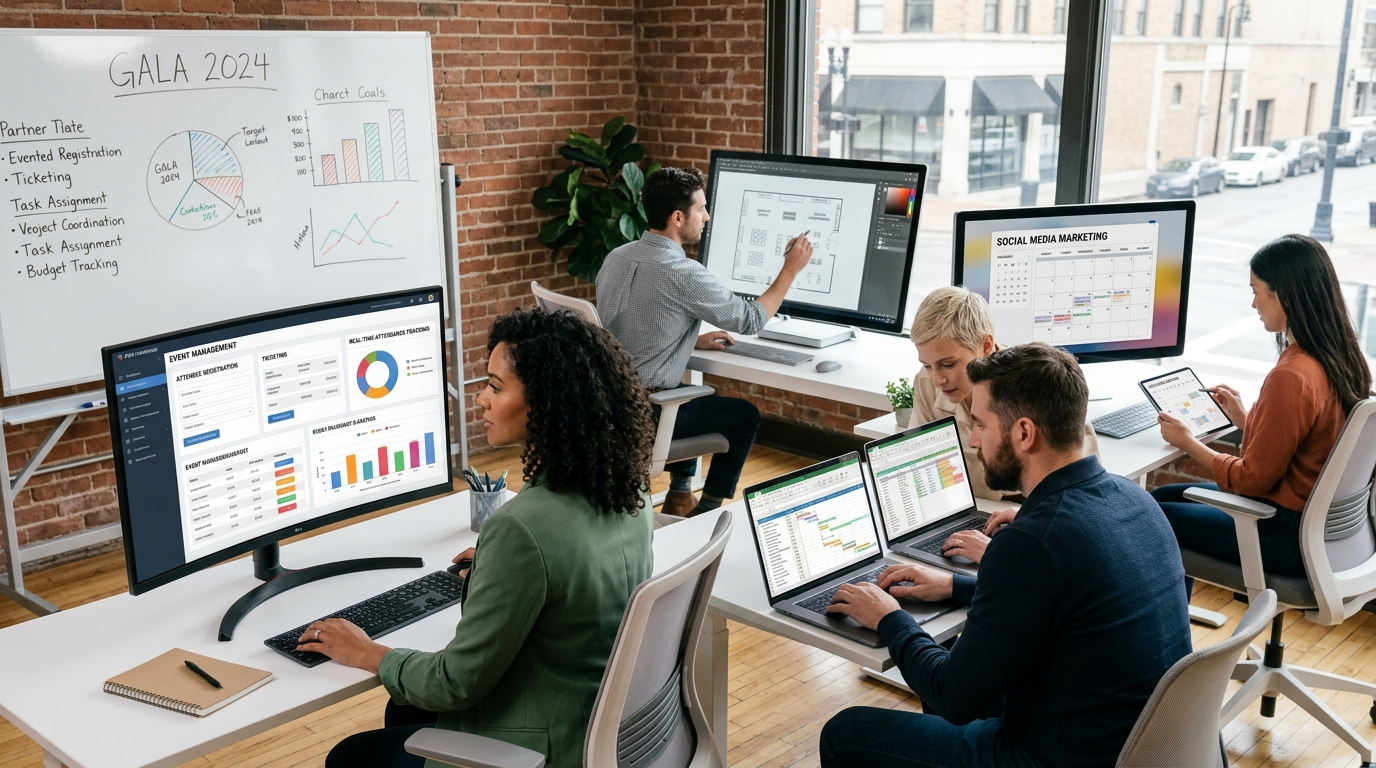
Planning an event can quickly become overwhelming without the right systems in place, which is why event planning tools smart organizers depend on are now essential. Whether it is a corporate conference, wedding, or product launch, every detail matters. From scheduling and budgeting to communication and logistics, managing everything manually can lead to mistakes and delays.
As expectations continue to rise, planners need solutions that improve efficiency and reduce stress. Because of this, event planning tools smart teams use are designed to simplify workflows and enhance decision-making. These tools not only organize tasks but also provide insights that help planners stay ahead of challenges. As a result, events become more structured, successful, and enjoyable for everyone involved.
Why Smart Tools Are Essential for Event Planning
Modern events require precision and coordination. Without proper tools, even small details can slip through the cracks. This is where event planning tools smart professionals rely on make a difference.
First, they centralize information. Instead of juggling multiple spreadsheets and emails, planners can manage everything in one place. As a result, communication becomes clearer and more efficient.
In addition, these tools improve time management. With built-in calendars and reminders, deadlines are easier to track. Because of this, event planning tools smart teams use help ensure that tasks are completed on schedule.
Another key advantage is data visibility. Many platforms provide insights into budgets, attendance, and performance. Therefore, planners can make informed decisions quickly.
Moreover, collaboration becomes seamless. Teams can share updates and coordinate tasks in real time. This feature reduces confusion and enhances productivity.
1. Eventbrite: Simplifying Event Registration
Eventbrite is one of the most popular event planning tools smart organizers use for managing registrations and ticketing. It offers an easy-to-use platform that handles event creation, promotion, and attendee management.
One of its main strengths is its simplicity. Users can set up events quickly without technical expertise. Because of this, it is ideal for both small and large gatherings.
In addition, Eventbrite provides analytics. Planners can track ticket sales and attendance trends in real time. As a result, event planning tools smart professionals choose like Eventbrite support better decision-making.
Another benefit is its promotional features. The platform integrates with social media, helping events reach a wider audience. Therefore, it enhances both organization and marketing efforts.
2. Trello: Visual Task Management
Trello stands out among event planning tools smart teams use for organizing tasks visually. Its board and card system allows planners to break down projects into manageable steps.
Each task can include deadlines, checklists, and attachments. This structure makes it easy to track progress. Because of this, event planning tools smart workflows often include Trello.
In addition, Trello supports collaboration. Team members can assign tasks and leave comments. As a result, communication remains clear and efficient.
Another advantage is flexibility. Trello can be customized to fit different types of events. Therefore, it adapts to various planning needs with ease.
3. Asana: Structured Project Planning
Asana is another powerful platform among event planning tools smart professionals rely on for structured project management. It offers detailed task tracking and workflow organization.
Users can create timelines, assign responsibilities, and monitor progress. This level of detail ensures that nothing is overlooked. Because of this, event planning tools smart teams use often include Asana for complex projects.
In addition, Asana provides reporting features. These insights help planners identify potential issues early. As a result, they can adjust strategies and avoid delays.
The platform also integrates with other tools, enhancing productivity. Therefore, it supports a more connected and efficient planning process.
4. Bizzabo: End-to-End Event Management
Bizzabo is designed specifically for event professionals, making it one of the most comprehensive event planning tools smart organizers use. It covers everything from registration to post-event analysis.
One of its key features is its all-in-one approach. Planners can manage multiple aspects of an event within a single platform. Because of this, event planning tools smart systems like Bizzabo reduce the need for multiple tools.
In addition, Bizzabo offers networking features. Attendees can connect and engage through the platform. This interaction enhances the overall event experience.
Another benefit is its analytics. Detailed reports provide insights into attendee behavior and event performance. As a result, planners can improve future events based on data.
5. Google Workspace: Collaboration Made Easy
Google Workspace remains one of the most accessible event planning tools smart teams use for collaboration. It includes tools like Google Docs, Sheets, and Calendar, which support various aspects of planning.
One of its main advantages is real-time collaboration. Multiple users can work on the same document simultaneously. Because of this, communication becomes more efficient.
In addition, Google Calendar helps manage schedules and deadlines. This feature ensures that everyone stays on track. Therefore, event planning tools smart workflows often rely on these capabilities.
Another benefit is accessibility. Since it is cloud-based, users can access files from anywhere. As a result, it supports flexible and remote work environments.
How These Tools Improve Decision-Making
Using the right tools can transform the planning process. Event planning tools smart professionals choose provide clarity and structure, leading to better decisions.
First, they reduce uncertainty. By organizing data and tasks, they help planners understand the full scope of an event. As a result, decisions become more informed.
Second, they improve efficiency. Automation and streamlined workflows save time. Therefore, planners can focus on strategic aspects rather than manual tasks.
Third, they enhance collaboration. Shared platforms ensure that everyone is aligned. This alignment reduces errors and improves execution.
Finally, they provide insights. Data-driven tools allow planners to evaluate performance and make adjustments. Because of this, event planning tools smart systems lead to continuous improvement.
Choosing the Right Tool for Your Event
Selecting the best platform depends on the type and scale of the event. While many event planning tools smart professionals use are effective, each offers different features.
For example, smaller events may benefit from simple tools like Trello or Google Workspace. On the other hand, larger events might require comprehensive platforms like Bizzabo. Because of this, understanding your needs is essential.
Budget is another factor. Some tools are free, while others require subscriptions. Therefore, planners must consider cost alongside functionality.
Ease of use is equally important. A tool that is too complex may slow down the process. As a result, choosing a user-friendly option is often the best choice.
Ultimately, the goal is to find a tool that enhances efficiency and supports your planning strategy.
Conclusion
Event planning tools smart professionals rely on have transformed how events are organized and executed. They simplify complex tasks, improve communication, and provide valuable insights. From registration platforms to project management systems, each tool offers unique benefits.
What makes these tools essential is their ability to support better decision-making. By organizing information and streamlining workflows, they help planners stay in control. Because of this, events become more successful and less stressful.
As the industry continues to evolve, these tools will become even more advanced. However, their core purpose will remain the same. They help planners work smarter and achieve better results.
In the end, choosing the right tools can make all the difference. Event planning tools smart strategies rely on are key to creating seamless and memorable events.
FAQ
- What are the benefits of using planning software for events?
They help organize tasks, improve communication, and ensure efficient execution. - Are these tools suitable for small events?
Yes, many platforms offer features that work well for both small and large events. - Can multiple tools be used together?
Yes, combining tools can create a more comprehensive planning system. - Do these tools require technical skills?
Most are user-friendly and designed for easy adoption. - How do these tools improve event success?
They provide structure, insights, and collaboration features that enhance planning and execution.