
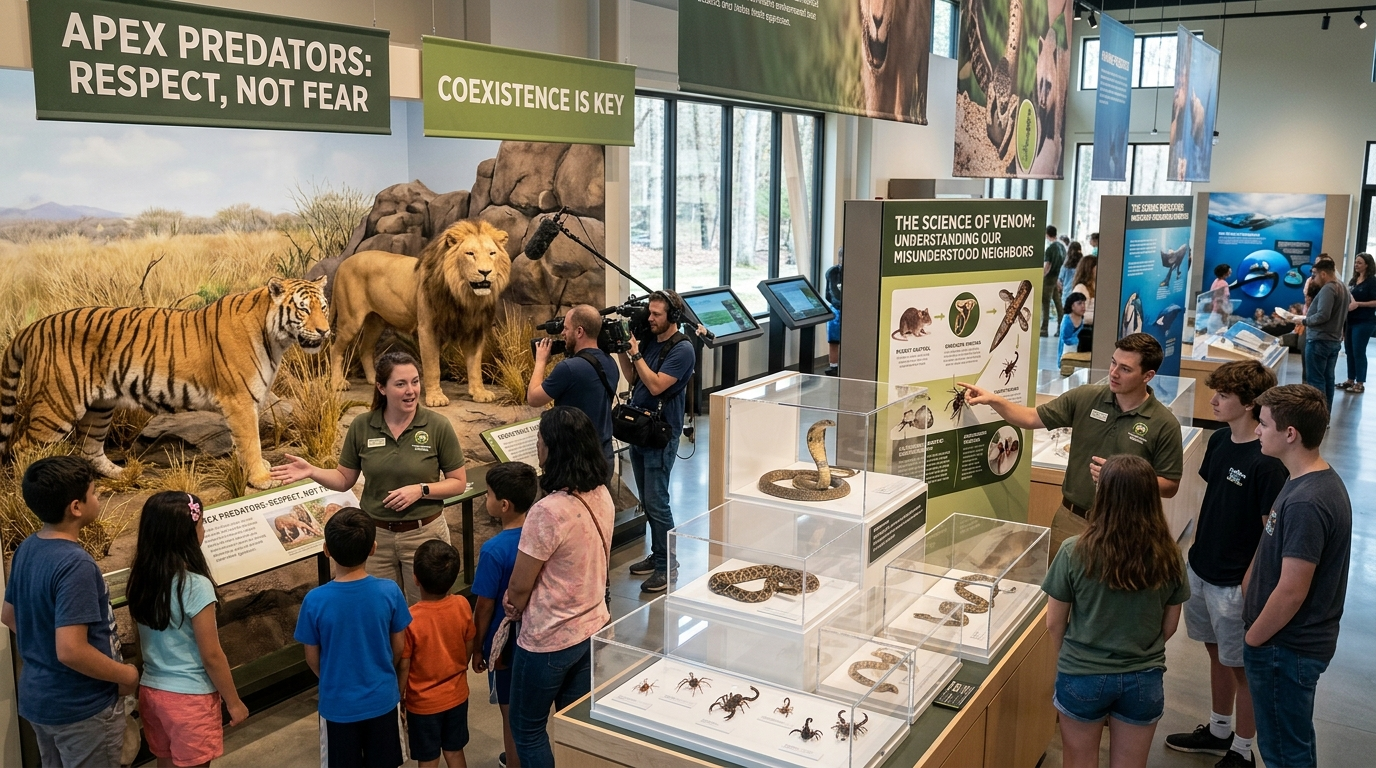
When people think about wildlife, they often imagine beauty and wonder. However, the reality is that some of the most dangerous animals nature has produced are responsible for thousands of human deaths each year. These creatures are not always large or obvious predators. In fact, some of the most deadly species are small, silent, and often overlooked.
Understanding these animals is not about fear, but awareness. Each species plays a role in its ecosystem, even if it poses a risk to humans. Because of this, learning about the most dangerous animals nature presents can help people stay safe while appreciating the balance of the natural world.
While movies often highlight dramatic predators, the real dangers are often more complex. Some animals rely on venom, while others depend on aggression or disease transmission. As a result, the most dangerous animals nature includes a surprising mix of species from different environments.
What Makes an Animal Truly Dangerous
Danger is not always measured by size or strength. Instead, it is defined by the potential to harm humans. The most dangerous animals nature includes those that cause the highest number of injuries or deaths, either directly or indirectly.
For example, venomous animals can deliver toxins that affect the nervous system or blood. In contrast, large predators rely on physical power and speed. Because of this, danger comes in many forms.
Another factor is human interaction. Animals that live close to human populations are more likely to cause incidents. As a result, some of the most dangerous animals nature are found in everyday environments.
Additionally, unpredictability increases risk. Animals that react aggressively when threatened can become dangerous quickly. Therefore, understanding behavior is key to avoiding encounters.
1. Mosquito: The Deadliest Creature on Earth
It may come as a surprise, but the mosquito is considered one of the most dangerous animals nature has ever created. Despite its tiny size, it is responsible for more human deaths than any other animal.
Mosquitoes spread diseases such as malaria, dengue, and Zika virus. These illnesses affect millions of people each year. Because of this, their impact is far greater than that of larger predators.
In addition, mosquitoes thrive in many environments. They adapt easily and reproduce quickly. As a result, controlling their population is challenging.
Another reason they are so dangerous is their invisibility. People often underestimate the risk they pose. Therefore, the mosquito remains one of the most dangerous animals nature presents globally.
2. Saltwater Crocodile: A Powerful Predator
The saltwater crocodile is one of the most formidable predators among the most dangerous animals nature includes. Found in parts of Asia and Australia, it is known for its strength and aggressive behavior.
These crocodiles can grow to enormous sizes and possess incredibly powerful jaws. They are capable of taking down large prey, including humans. Because of this, they are highly feared in regions where they are found.
In addition, saltwater crocodiles are ambush predators. They wait silently in the water before striking अचानक. This element of surprise makes them even more dangerous.
Their territorial nature also increases risk. When humans enter their habitat, encounters can become deadly. Therefore, they remain one of the most dangerous animals nature offers in aquatic environments.
3. Box Jellyfish: A Silent Threat in the Ocean
The box jellyfish is another example of the most dangerous animals nature has created. Found in warm coastal waters, it is known for its potent venom.
Its tentacles contain toxins that can cause heart failure, paralysis, and extreme pain. Because of this, even a brief contact can be fatal.
What makes the box jellyfish particularly dangerous is its transparency. It is difficult to see in the water, increasing the chance of accidental contact. As a result, it ranks among the most dangerous animals nature in marine environments.
In addition, swimmers often do not realize the danger until it is too late. Therefore, awareness and caution are essential when entering waters where these creatures are present.
4. African Elephant: Strength and Unpredictability
Although often seen as gentle giants, African elephants are among the most dangerous animals nature includes due to their size and power. They are responsible for a significant number of human fatalities each year.
Elephants can become aggressive when they feel threatened or stressed. Their strength allows them to cause serious damage quickly. Because of this, encounters can be extremely dangerous.
In addition, habitat loss has increased human-elephant interactions. As a result, conflicts are more common in certain regions.
Another factor is unpredictability. Even experienced handlers must exercise caution. Therefore, the African elephant remains one of the most dangerous animals nature presents on land.
5. Cape Buffalo: The “Black Death” of Africa
The Cape buffalo is often overlooked, yet it is one of the most dangerous animals nature has produced. Known as the “Black Death,” it has a reputation for aggression and resilience.
These animals are highly unpredictable and can charge without warning. Because of this, they pose a serious threat to humans.
In addition, Cape buffaloes have strong herd instincts. When one is threatened, others may join in defense. As a result, encounters can escalate بسرعة.
Their physical strength and sharp horns make them formidable opponents. Therefore, they are considered one of the most dangerous animals nature in Africa.
Why Humans Are Often at Risk
Human activity plays a significant role in encounters with dangerous animals. As populations expand, people move closer to wildlife habitats. Because of this, interactions become more frequent.
In addition, lack of awareness increases risk. Many incidents occur because people underestimate the danger. As a result, education is essential in reducing conflicts.
Another factor is environmental change. Habitat destruction forces animals to adapt, sometimes bringing them closer to humans. Therefore, understanding the most dangerous animals nature includes can help prevent accidents.
Respecting wildlife and maintaining safe distances are key to coexistence. These practices reduce risk while preserving natural ecosystems.
How to Stay Safe Around Dangerous Animals
Staying safe begins with knowledge. Understanding the behavior of the most dangerous animals nature presents can help avoid risky situations.
First, always research the area you are visiting. Knowing which animals are present allows you to take precautions. Because of this, preparation is essential.
Second, follow local guidelines. Many regions have rules designed to protect both humans and wildlife. As a result, adhering to these guidelines reduces danger.
Third, avoid provoking animals. Even seemingly calm creatures can react aggressively when threatened. Therefore, maintaining distance is crucial.
Finally, remain alert. Awareness of your surroundings can help you react quickly if needed. These steps ensure safer interactions with wildlife.
Conclusion
The most dangerous animals nature has created remind us that the natural world is both beautiful and powerful. From tiny mosquitoes to massive elephants, danger comes in many forms. Each species plays a role in its ecosystem, even if it poses a risk to humans.
Understanding these animals helps reduce fear and increase awareness. Instead of viewing them as threats, we can learn how to coexist safely. Because of this, knowledge becomes the most effective tool for prevention.
As humans continue to explore and interact with nature, respecting wildlife is essential. By doing so, we protect both ourselves and the environment. In the end, the most dangerous animals nature includes are not enemies, but vital parts of a balanced ecosystem.
FAQ
- What is the deadliest animal to humans?
The mosquito is considered the deadliest due to the diseases it spreads worldwide. - Are large animals always more dangerous than small ones?
No, smaller animals like insects can be more dangerous due to venom or disease transmission. - Why do animal attacks happen?
Most attacks occur when animals feel threatened or when humans enter their territory. - How can people avoid dangerous wildlife encounters?
Staying informed, keeping distance, and following local guidelines can reduce risks. - Do dangerous animals play a role in ecosystems?
Yes, they help maintain balance by controlling populations and supporting biodiversity.