In the rapidly evolving digital media landscape of 2025-2026, characterized by significant technological advancements and shifting content consumption, possessing essential digital literacy skills is no longer optional—it’s fundamental. From AI-powered search features to the dominance of short-form video, understanding and navigating the digital world effectively is crucial for general readers, students, and professionals alike. This article highlights five key digital competencies everyone needs to thrive today.
Navigating the Digital Landscape of 2026
The digital realm is constantly reshaping how we access information and interact. With AI Overviews now triggering zero-click results for many searches and mobile-led design dominating content engagement, traditional digital interactions are changing. Building topical authority and E-E-A-T (Expertise, Experience, Authoritativeness, and Trustworthiness) are critical for publishers, but for individuals, foundational digital literacy ensures informed participation and protection in this complex environment. Therefore, understanding these core competencies is more important than ever.
Skill 1: Information Evaluation and Critical Thinking
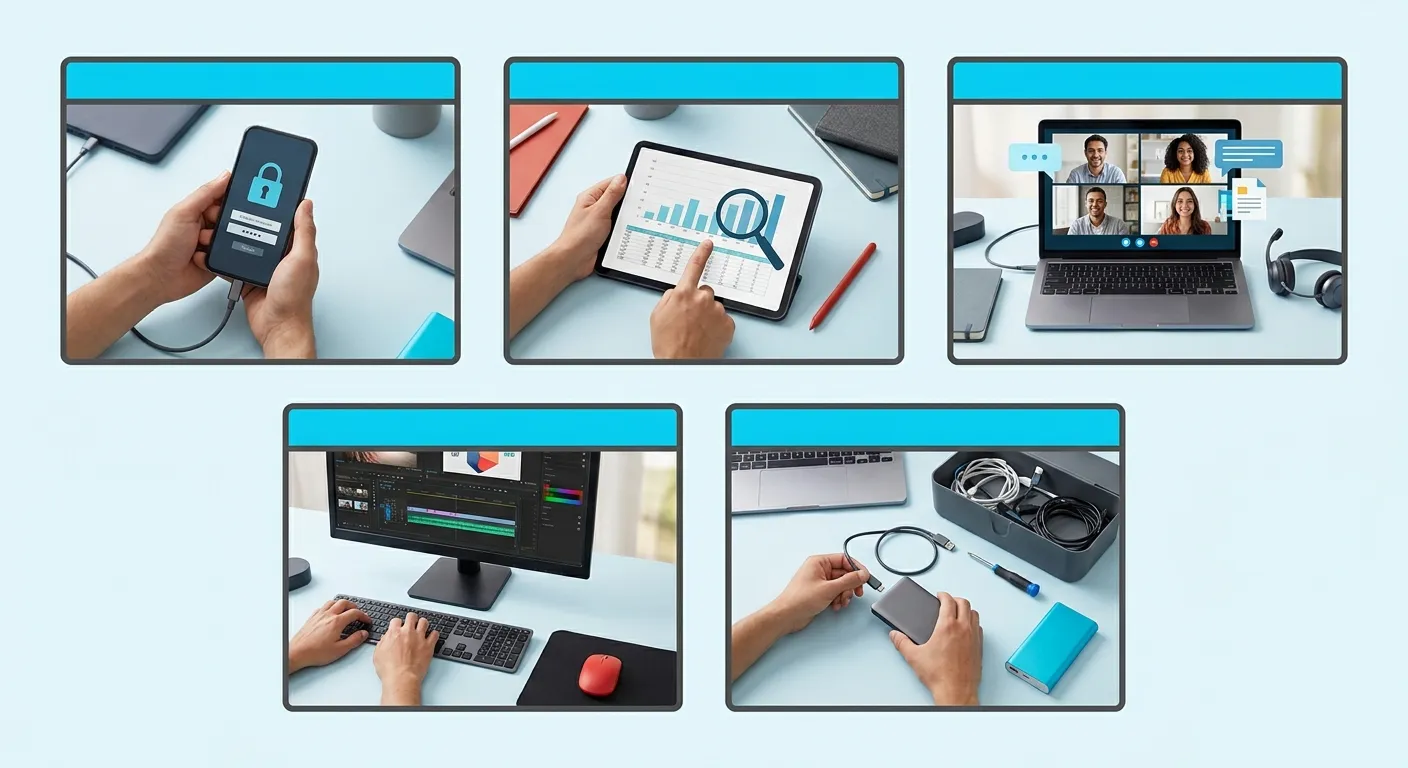
With the sheer volume of information available online, the ability to critically evaluate sources is paramount. This skill involves discerning credible news from misinformation, identifying biases, and cross-referencing facts. In an era where content can be easily generated or manipulated, especially with advancements in AI, understanding how to verify information protects you from inaccurate narratives and helps you make informed decisions. For example, consider the importance of fact-checking when encountering economic news stories affecting global markets. Consequently, developing this critical thinking is a cornerstone of digital competence.
Skill 2: Digital Communication and Collaboration
The rise of remote work and global teams has made digital communication and collaboration tools indispensable. Proficiency in platforms like video conferencing, project management software, and cloud-based document sharing is vital. This skill extends beyond mere technical know-how; it includes understanding digital etiquette, effective online presentation, and fostering productive virtual teamwork. Clear and concise digital communication is key to success in professional and academic settings. Furthermore, effective communication ensures projects run smoothly, whether for a small team or a large organization. For instance, consider how entrepreneurs must master these skills to share their famous entrepreneur stories and build their brands.
Skill 3: Online Safety and Privacy Management
As personalization budgets rise and AI-powered recommendation engines become more sophisticated, understanding online safety and privacy is more critical than ever. This includes recognizing phishing attempts, creating strong, unique passwords, understanding privacy settings on social media and other platforms, and being aware of data collection practices. Protecting your personal information and digital identity is a core component of responsible digital citizenship. Moreover, staying updated on the latest security threats is crucial for everyone. For instance, being cautious about the information you share online can prevent identity theft. Therefore, mastering online safety is one of the most important digital literacy competencies.
Skill 4: Basic Data Management and Organization
From personal documents to professional projects, digital files are central to our daily lives. Effective data management involves organizing files logically, backing up important information, and understanding cloud storage solutions. This skill ensures that your digital assets are accessible when needed and protected from loss. Furthermore, a well-organized digital environment saves time and reduces stress. Think about how much easier it is to find a file when it’s properly categorized. Therefore, developing strong data organization habits is a crucial element of digital proficiency.
Skill 5: Digital Content Creation and Ethical Use
Beyond consuming content, the ability to create and share digital content responsibly is increasingly valuable. This skill encompasses basic photo and video editing, understanding copyright laws, and creating engaging presentations or reports. With the proliferation of social media and personal branding, knowing how to present yourself and your ideas effectively online is a significant advantage. Additionally, ethical considerations, such as avoiding plagiarism and respecting intellectual property, are paramount. For example, understanding the psychology of color influences marketing, and applying this knowledge ethically in content creation is a powerful skill. This particular digital competency empowers individuals to contribute meaningfully to the digital sphere.
Why Essential Digital Literacy Skills Matter More Than Ever
The acceleration of digital transformation means that the requirements for effective participation in society are continually shifting. The pandemic, for instance, dramatically highlighted the disparities in digital access and skills, pushing many to adapt quickly to online environments for work, education, and social connection. As a result, those who possess strong digital competencies are better equipped to navigate these changes, access opportunities, and protect themselves from digital risks. Moreover, these skills foster resilience in an ever-changing technological landscape.
The Impact on Education and Employment
In education, students need more than just access to technology; they require the capabilities to use it effectively for research, collaboration, and learning. Teachers, consequently, are expected to integrate digital tools into their pedagogy, ensuring students develop these vital abilities. In the professional world, employers increasingly seek candidates who demonstrate strong digital proficiency, from managing online projects to communicating effectively through various platforms. Therefore, these essential digital literacy skills are directly linked to academic and career success. Furthermore, continuous learning in this area is a professional necessity.
Staying Safe and Informed in a Digital World
The internet offers unparalleled access to information, yet it also presents challenges like misinformation and privacy concerns. Developing the capacity to critically evaluate sources (Skill 1) and manage online safety and privacy (Skill 3) is fundamental to being an informed and protected digital citizen. Without these capacities, individuals are vulnerable to scams, identity theft, and the spread of false narratives. Consequently, an informed populace is a more resilient populace. For example, understanding how data is collected and used helps individuals make smarter choices about their online footprint. This proactive approach to digital safety is a hallmark of strong digital literacy.
Enhancing Personal and Professional Growth
Beyond safety and employment, digital competencies empower individuals in their personal lives. Whether it’s managing personal finances online, staying connected with family across distances, or pursuing hobbies through online communities, these skills enrich daily experiences. For professionals, the ability to effectively use digital tools can lead to greater efficiency, innovation, and career advancement. For instance, the ability to create engaging digital content can transform a personal blog into a thriving online community. Therefore, these competencies are not just about survival but about thriving and growing in the modern world. Many individuals find that their stress-free health apps also require a basic understanding of data privacy.
Bridging the Digital Divide with Essential Digital Literacy Skills
The concept of the digital divide traditionally focused on access to technology. However, it now encompasses the gap in digital competencies. Ensuring that everyone has the opportunity to develop essential digital literacy skills is crucial for equitable participation in society. Governments, educational institutions, and community organizations play a vital role in providing training and resources to bridge this gap. Moreover, fostering digital inclusion benefits society as a whole. For instance, public libraries often offer free computer classes to help individuals improve their digital fluency.
The Role of Lifelong Learning
Given the rapid pace of technological change, digital literacy is not a one-time achievement but an ongoing process of learning and adaptation. Individuals must commit to lifelong learning, regularly updating their skills to keep pace with new tools, platforms, and threats. This continuous engagement ensures that one remains competent and confident in an ever-evolving digital landscape. Consequently, curiosity and a willingness to learn are key attributes for modern digital citizens. For example, staying informed about new privacy regulations is an ongoing task. Organizations like the National Digital Inclusion Alliance (NDIA) advocate for policies and programs that promote digital equity, emphasizing the importance of ongoing education and access to resources. Their work highlights how critical it is for communities to support continuous learning in digital competencies. Learn more about digital inclusion efforts.
Future-Proofing Your Capabilities
Developing strong digital competencies today means future-proofing your ability to adapt to tomorrow’s technologies. As AI becomes more integrated into daily life, for example, understanding its implications and how to interact with AI-powered tools will become another layer of digital literacy. These foundational skills provide the framework for learning and mastering future innovations. Furthermore, a solid base in digital understanding makes adopting new technologies less daunting. Consequently, investing time in these skills now pays dividends in the long run. The World Economic Forum frequently discusses the future of work and the growing demand for digital skills across all sectors, underscoring the global importance of these abilities. Explore insights from the World Economic Forum on digital transformation.
Conclusion: Embracing Digital Competence for a Brighter Future
In summary, the five essential digital literacy skills—information evaluation, digital communication, online safety, data management, and content creation—form the bedrock of modern life. These competencies are no longer niche abilities but universal requirements for navigating the complexities and opportunities of the digital age. By cultivating these skills, individuals can enhance their personal well-being, advance their careers, contribute meaningfully to their communities, and protect themselves in an increasingly interconnected world. As technology continues its relentless march forward, our ability to understand, use, and adapt to it will define our success and resilience. Therefore, embracing digital competence is not merely an option; it is an imperative for a secure and prosperous future.
FAQ
What are the core components of digital proficiency?
The core components of digital proficiency include the ability to find and evaluate information, communicate and collaborate online, manage personal data securely, understand and mitigate online risks, and create digital content ethically. These elements collectively empower individuals to interact effectively with digital technologies.
Why is critical thinking important for online information?
Critical thinking is vital for online information because the internet contains a vast amount of content, much of which may be inaccurate, biased, or misleading. Developing this skill allows individuals to discern credible sources from unreliable ones, verify facts, and make informed judgments, protecting them from misinformation.
How can I improve my online safety and privacy?
To enhance online safety and privacy, you should use strong, unique passwords, enable two-factor authentication, recognize phishing attempts, regularly review and adjust privacy settings on social media and other platforms, and be aware of the types of data websites and apps collect about you.
What does effective digital communication involve?
Effective digital communication involves more than just using online tools. It includes understanding digital etiquette, communicating clearly and concisely in written and verbal formats, presenting information effectively online, and collaborating productively with others in virtual environments. It’s about conveying your message appropriately and respectfully.
Is digital content creation a necessary skill for everyone?
While not everyone needs to be a professional content creator, understanding the basics of digital content creation and ethical use is increasingly beneficial. This includes fundamental editing skills, awareness of copyright, and the ability to present ideas clearly in digital formats. This skill empowers individuals to participate more fully and contribute to the digital world.