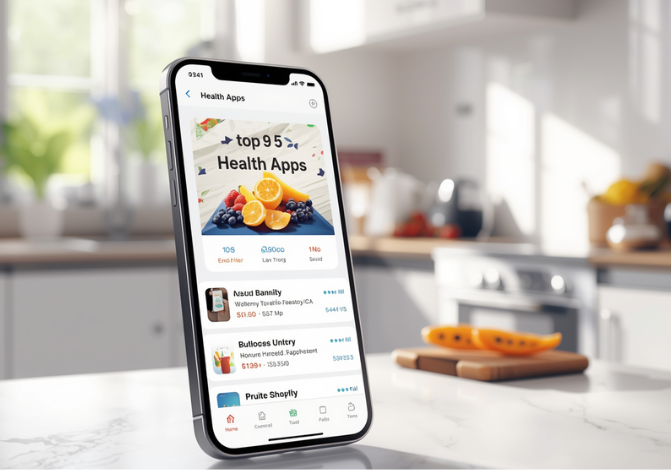
Stress free health apps can make daily wellness decisions feel easier, calmer, and more organized. Many people want to eat better, move more, sleep well, remember medication, or manage stress, but they do not want another source of pressure. A good app should support your choices without making you feel judged, overwhelmed, or trapped by constant alerts. Instead, it should help you understand your habits, notice patterns, and take small steps that fit real life.
Health technology can be helpful, but only when it feels simple enough to use. Some apps offer so many charts, goals, and reminders that users quit after a few days. Others make tracking feel natural by focusing on useful details instead of endless data. The best tools reduce guesswork. They help you see what is happening without turning wellness into a full-time project.
The goal is not to let an app control your health. Instead, the right app should help you make informed choices with less mental clutter. These five options stand out because they support different parts of wellness, including general health tracking, activity, nutrition, mindfulness, and medication reminders.
What Makes a Health App Less Stressful?
A helpful health app should make your day feel clearer, not heavier. That means it needs a clean design, simple tracking, useful reminders, and flexible goals. It should also avoid making every missed habit feel like failure. Wellness is not perfect, and good tools understand that progress often comes from steady improvement.
Stress free health apps usually work best when they focus on one clear purpose. For example, one app may help you understand nutrition, while another may organize sleep or activity data. Trying to force one app to solve every health concern can create frustration. However, using a few focused tools can make your routine easier.
Privacy also matters. Health data is personal, so users should review settings, sharing options, and permissions carefully. In addition, no app should replace professional medical care. Apps can help you track patterns and prepare better questions, but doctors, dietitians, therapists, and pharmacists should guide serious health decisions.
Apple Health
Apple Health is one of the best stress free health apps for people who already use an iPhone. It works as a central dashboard for health and fitness information. Instead of opening several apps to check steps, sleep, heart rate, medications, cycle tracking, or activity, users can view many details in one place.
The biggest advantage is convenience. Apple Health can collect data from an iPhone, Apple Watch, and many connected apps. Because of that, it can show a broader picture of daily wellness without requiring constant manual input. This makes it useful for people who want awareness but do not want to log every detail by hand.
Apple Health also helps users organize trends over time. You can review movement, sleep, walking steadiness, heart information, and other available metrics. When used calmly, these trends can support better decisions. For example, a person may notice that sleep changes after late meals or stressful workdays.
Why Apple Health Helps With Daily Choices
Apple Health is especially useful because it does not feel like a loud coaching app. It works quietly in the background and lets users review data when they choose. This makes it a good fit for people who want insight without constant pressure.
Its medication tracking feature can also reduce stress for users who need reminders. Instead of relying on memory, they can create a schedule and receive prompts. This can be helpful for supplements, prescriptions, or recurring wellness routines. However, users should still follow medical advice and confirm medication questions with a healthcare professional.
Among stress free health apps, Apple Health works best as a home base. It may not offer the deepest coaching in every category, but it keeps important information organized. For iPhone users, that simplicity can make health tracking feel less scattered.
Google Health and Fitbit
Google Health, connected with Fitbit devices and wellness tracking, is a strong option for people who want activity, sleep, readiness, and fitness data in one place. It is especially useful for users who like wearable tracking but want a simpler way to understand the results. Instead of guessing how active or rested they are, users can review patterns and make better daily choices.
Fitbit-style tracking has long appealed to people who want motivation without needing a complicated fitness plan. Steps, heart rate, workouts, sleep, and recovery data can help users understand how their habits fit together. For many people, that kind of visibility makes health goals feel more manageable.
Google Health can also support users who want a broader view of wellness. When wearable data, activity records, and sleep patterns appear together, it becomes easier to notice what needs attention. If sleep quality drops after several intense workout days, the user may choose a lighter routine. If activity falls during busy workweeks, small walking breaks may become a realistic goal.
How Wearable Tracking Reduces Guesswork
Wearables can reduce stress when they answer simple questions. Did I move enough today? Am I sleeping consistently? Have I been less active this week? These answers can help users make calm adjustments instead of relying on vague feelings.
However, wearable data should not become an obsession. Numbers are useful, but they are not the whole story. A low readiness score or poor sleep report should guide reflection, not create anxiety. The healthiest approach is to use data as a signal, then combine it with how your body feels.
As one of the more practical stress free health apps, Google Health and Fitbit can help people build awareness without overthinking every choice. It is best for users who enjoy gentle feedback, activity tracking, and sleep insights.
MyFitnessPal
MyFitnessPal is one of the most useful apps for people who want to understand food choices without guessing. It helps users track meals, calories, macros, water, exercise, and nutrition goals. While food tracking can feel stressful for some people, the app can be helpful when used with balance and flexibility.
The main benefit is awareness. Many people underestimate portions, miss protein goals, or forget how snacks add up during a busy day. MyFitnessPal makes these patterns easier to see. As a result, users can make small changes instead of following extreme diets.
This app is especially helpful for people with specific nutrition goals. Someone may want to eat more protein, reduce added sugar, improve meal planning, or understand calorie intake. Because the app stores common foods and meals, tracking can become faster over time.
Using Nutrition Tracking Without Pressure
MyFitnessPal works best when users treat it as a learning tool. It should not create guilt or perfectionism. Instead, it can help you understand what your normal eating patterns look like. From there, you can make better choices with less confusion.
For example, a user may discover that breakfast is too low in protein, which leads to more snacking later. Another may notice that restaurant meals affect sodium intake. These insights can support practical changes without requiring strict rules.
Among stress free health apps, MyFitnessPal is best for people who want clearer nutrition information. However, it may not be right for everyone. People with a history of disordered eating should speak with a qualified professional before using detailed food tracking.
Headspace
Headspace is one of the most popular apps for meditation, mindfulness, sleep, and emotional wellness. It helps users slow down through guided meditations, breathing exercises, sleep content, and short mental resets. For people who feel overwhelmed by health decisions, this kind of support can be just as important as fitness or nutrition tracking.
Stress often affects choices. When people feel anxious, tired, or rushed, they may skip workouts, eat impulsively, sleep poorly, or ignore basic self-care. Headspace helps create small pauses during the day. Those pauses can make decisions feel less reactive.
The app is also beginner-friendly. Many people avoid meditation because they think it requires silence, special skills, or long sessions. Headspace makes the habit feel more approachable with short practices and clear guidance. Even a few minutes can help users reset before making a decision.
Why Mindfulness Supports Better Health Choices
Mindfulness does not solve every problem, but it can improve awareness. When you notice stress earlier, you can respond more calmly. Instead of pushing through exhaustion, you may choose rest. Instead of reacting to cravings, you may pause and decide what you actually need.
Headspace can also help with sleep routines. Wind-down exercises, breathing sessions, and sleep stories may support a calmer evening. Better sleep often improves decision-making the next day, which can make other health habits easier.
As one of the best stress free health apps for mental wellness, Headspace is a strong choice for users who want emotional support without complex tracking. It keeps the focus on calm, consistency, and gentle practice.
Medisafe
Medisafe is a helpful app for medication reminders and health routine management. It is designed for people who need to remember prescriptions, supplements, doses, refill timing, or caregiver updates. For anyone managing multiple medications, this kind of support can reduce daily stress.
Forgetting a dose can create worry, especially for people with ongoing health needs. Medisafe helps by turning medication schedules into clear reminders. Users can set times, mark doses as taken, and keep better track of their routine. This simple structure can make the day feel more predictable.
The app can also support caregivers. When a family member helps manage medication, reminders and tracking can reduce confusion. Clear records may also help users discuss patterns with a doctor or pharmacist. Still, medication changes should always come from a qualified professional.
Why Reminder Apps Can Reduce Mental Load
Medication routines can be mentally tiring because they depend on consistency. Even organized people can forget when life gets busy. A reminder app removes some of that burden by creating a reliable prompt system.
Medisafe is not only for complex medical routines. It can also help users remember vitamins, short-term prescriptions, or wellness habits. However, its greatest value appears when missing a dose could create problems. In those cases, a clear reminder can provide peace of mind.
Among stress free health apps, Medisafe stands out because it solves a specific problem very well. It does not try to be a full wellness platform. Instead, it focuses on reminders, consistency, and routine confidence.
How to Choose the Right App for Your Needs
The best app depends on the decision you want to simplify. If your health information feels scattered, Apple Health may be the best starting point. If you want activity and sleep patterns, Google Health or Fitbit may fit better. If food choices feel confusing, MyFitnessPal can offer structure. If stress affects your habits, Headspace may help. If medication timing creates worry, Medisafe is a smart choice.
It is also important to choose apps that match your personality. Some people enjoy numbers and progress charts. Others feel stressed by too much data. If tracking makes you anxious, choose a lighter tool. A good app should support your health, not make you feel watched.
Start with one app instead of downloading several at once. Use it for a week or two, then decide whether it actually helps. If it creates clarity, keep it. If it adds pressure, adjust settings or try something simpler.
Notifications deserve special attention. Too many reminders can become annoying, while too few may not help. Choose alerts that support important habits, then turn off the rest. This small step can make stress free health apps feel much easier to live with.
Common Mistakes to Avoid With Health Apps
One common mistake is treating app data as a final answer. Health apps can show patterns, but they do not know your full medical history, lifestyle, or personal needs. If something feels wrong, speak with a professional instead of relying only on an app.
Another mistake is setting too many goals at once. A user may try to track food, sleep, workouts, water, meditation, and medication in the same week. That can feel motivating at first, but it often becomes exhausting. Better results usually come from starting small.
Some users also compare themselves too much. Steps, calories, sleep scores, and streaks can create pressure when viewed the wrong way. Progress should fit your life. A parent, student, shift worker, or caregiver may need different goals than someone with a flexible schedule.
Finally, avoid ignoring privacy settings. Review what data the app collects and where it can connect. Health information deserves care. Choose trusted apps, use strong passwords, and limit sharing when possible.
Conclusion
Stress free health apps can make wellness choices easier by reducing confusion, organizing information, and supporting better habits. Apple Health works well as a central dashboard for iPhone users. Google Health and Fitbit help users understand activity, sleep, and recovery patterns. MyFitnessPal supports clearer nutrition choices. Headspace helps calm the mind and improve daily awareness. Medisafe makes medication routines easier to manage.
The right app should feel useful, not demanding. It should help you notice patterns, remember important tasks, and make small improvements. However, it should not make you feel guilty or overwhelmed. Health is personal, and the best tools respect that.
A calm approach works best. Pick one area of your routine that feels stressful, then choose an app that solves that problem. Give yourself time to learn it. Adjust notifications, simplify goals, and focus on progress rather than perfection.
In the end, stress free health apps are most helpful when they support real life. They do not need to be complicated to be effective. With the right setup, they can help you make smarter choices, ask better questions, and feel more confident about your daily wellness routine.
FAQ
- Which App Is Best for Tracking Overall Health?
Apple Health is a strong choice for iPhone users because it gathers many health details in one place. Google Health and Fitbit are also helpful for people who use compatible wearables.
- What App Helps With Food and Nutrition Choices?
MyFitnessPal is useful for tracking meals, calories, macros, and nutrition habits. It works best when used as an awareness tool rather than a strict judgment system.
- Which App Can Help With Stress and Sleep?
Headspace is a good option for guided meditation, breathing exercises, sleep support, and short mental resets. It can help users build calmer routines over time.
- What Is a Good App for Medication Reminders?
Medisafe is designed for medication reminders, dose tracking, and routine support. It can be helpful for people managing prescriptions, supplements, or caregiver responsibilities.
- Can Health Apps Replace a Doctor?
No, health apps cannot replace medical care. They can help track patterns and organize routines, but diagnosis, treatment, and medication changes should come from qualified professionals.