
Fast Fashion Environmental Impact: Top 5 Ways It Harms Our Planet
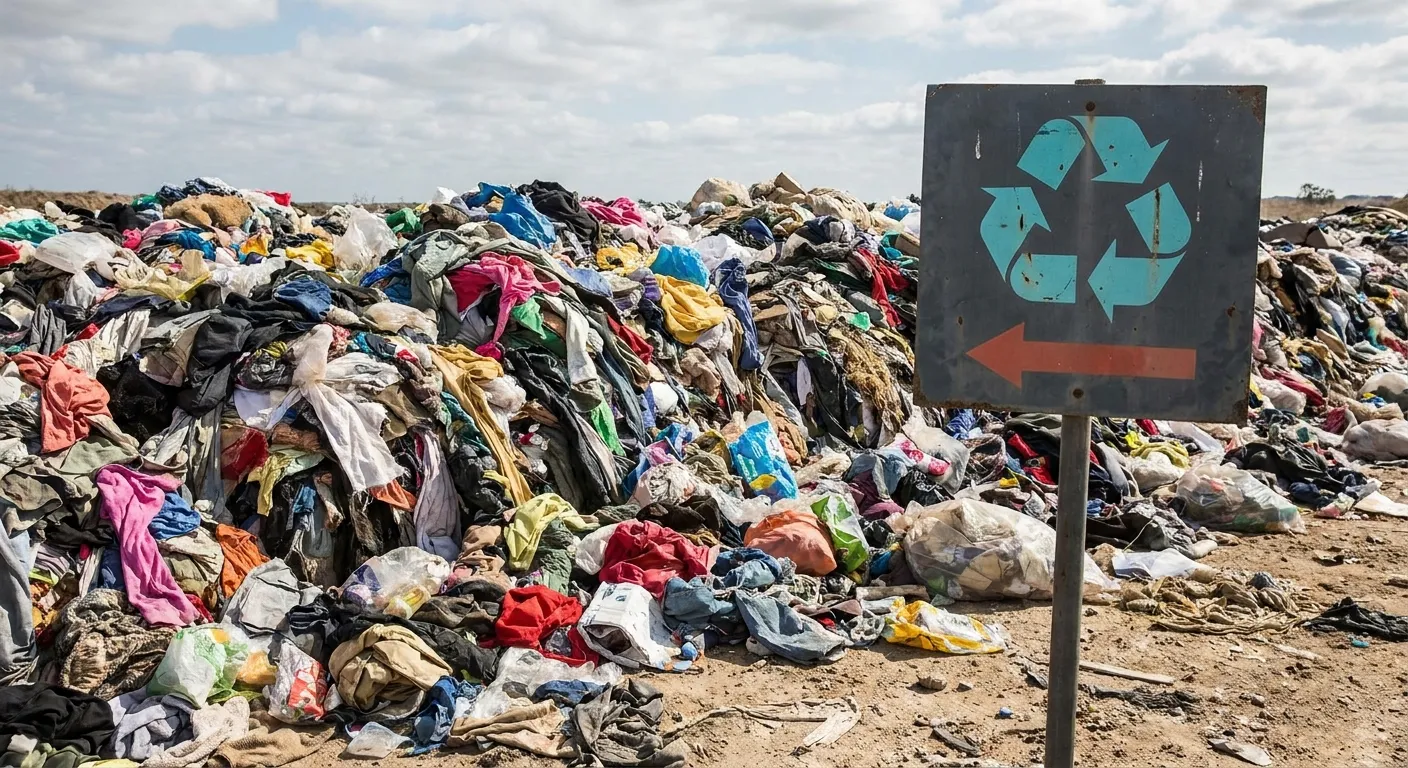
The clothes we wear have a story, and for fast fashion, that story often involves a significant fast fashion environmental impact. This rapid production and consumption model, driven by fleeting trends and low prices, comes at a high cost to our planet. Understanding these effects is the first step toward more conscious choices. From excessive water usage to chemical pollution, the industry’s footprint is vast and complex, touching nearly every aspect of our natural world. While offering affordable styles, the hidden ecological price tag demands our attention.
1. Resource Depletion: The True Cost of Cheap Clothes
One of the most concerning aspects of fast fashion is its incredible demand for resources. Producing textiles like cotton requires immense amounts of water, often in regions already experiencing scarcity. For instance, a single cotton t-shirt can use thousands of liters of water. Synthetic fabrics, such as polyester, are derived from fossil fuels, contributing to greenhouse gas emissions from their very inception. The speed at which new collections are churned out means a constant depletion of these finite resources, placing an unsustainable burden on ecosystems globally. This resource intensity highlights the need for more circular models. Consequently, the pressure on natural habitats increases.
Furthermore, the cultivation of natural fibers often relies on monoculture farming. This practice can degrade soil health over time. It also reduces biodiversity. Meanwhile, the extraction of raw materials for synthetic fibers, like petroleum, contributes to habitat destruction. The entire supply chain, from farm to factory, consumes vast amounts of energy. Much of this energy still comes from non-renewable sources. Therefore, the environmental toll begins long before a garment reaches the store. Acknowledging this resource strain is vital for understanding the broader fast fashion environmental impact.
2. Water Pollution and Contamination: A Toxic Trail
Beyond resource extraction, the lifecycle of fast fashion items creates vast amounts of waste and pollution. Dyes and finishing treatments often involve toxic chemicals. These chemicals contaminate waterways and soil, harming biodiversity and human health. For example, textile dyeing is one of the largest polluters of clean water globally. Rivers near manufacturing hubs frequently turn vibrant colors due to untreated effluent. This pollution affects aquatic life directly. Moreover, it impacts communities that rely on these water sources for drinking and agriculture. The long-term effects on ecosystems are severe.
Microplastics are another significant concern. Synthetic garments release tiny plastic fibers every time they are washed. These microplastics travel through wastewater systems. Eventually, they end up in oceans and freshwater bodies. Marine animals ingest them, leading to health problems and even death. In addition, these microplastics can enter the human food chain. This creates a hidden health risk for consumers worldwide. The cumulative effect of these pollutants underscores the severe fast fashion environmental impact on water systems. Addressing these issues requires a systemic shift in how clothes are made and consumed.
3. Massive Waste Generation: Landfills Overflowing
The sheer volume of clothing produced by fast fashion means a significant portion ends up in landfills. Non-biodegradable synthetic materials can persist for hundreds of years. Even natural fibers can contribute to landfill issues, releasing methane as they decompose. This greenhouse gas is far more potent than carbon dioxide. Consequently, discarded clothing contributes significantly to climate change. Many garments are also incinerated, releasing further air pollutants.
Consumer habits contribute to this problem. People often discard clothes after only a few wears. This ‘wear-it-once’ culture exacerbates the waste crisis. Donation centers are frequently overwhelmed. Much of the clothing sent for recycling is unsuitable for reuse. As a result, only a small percentage of textiles are truly recycled into new garments. The immense scale of textile waste is a glaring example of the negative fast fashion environmental impact. It demands urgent attention and innovative solutions.
4. Greenhouse Gas Emissions: Fueling Climate Change
The entire fast fashion supply chain is a major contributor to greenhouse gas emissions. From the cultivation of raw materials to manufacturing, transportation, and eventual disposal, every step releases carbon into the atmosphere. The production of synthetic fibers, like polyester and nylon, is energy-intensive and relies heavily on fossil fuels. Furthermore, the globalized nature of the industry means clothes travel vast distances. They move from raw material sources to factories, then to distribution centers, and finally to retail stores. This extensive logistical network adds substantially to carbon emissions from shipping, air freight, and road transport.
Energy consumption in factories, often powered by coal or other non-renewable sources, further compounds the problem. The constant drive for speed and low cost often means less investment in energy-efficient technologies. Therefore, the industry’s carbon footprint remains substantial. This direct link to climate change is a critical aspect of the fast fashion environmental impact. Reducing these emissions requires a comprehensive approach, including renewable energy adoption and localized production.
5. Biodiversity Loss and Ecosystem Disruption
The environmental repercussions of fast fashion extend to biodiversity loss and ecosystem disruption. The expansion of cotton farms often leads to deforestation. This destroys natural habitats for countless species. Pesticides and insecticides used in cotton cultivation can harm beneficial insects and contaminate surrounding ecosystems. Moreover, the discharge of chemical-laden wastewater from textile factories directly impacts aquatic life. It alters water chemistry and reduces oxygen levels. This can lead to the death of fish and other organisms.
Furthermore, the reliance on single-crop farming practices (monoculture) reduces genetic diversity. This makes ecosystems more vulnerable to diseases and climate shocks. The mining of raw materials for dyes and synthetic fibers also disrupts landscapes. It can lead to soil erosion and habitat fragmentation. Consequently, the intricate balance of natural ecosystems is severely disturbed. The long-term consequences for biodiversity are profound. Protecting these vital natural systems is crucial for mitigating the overall fast fashion environmental impact. The EPA provides more data on textile waste.
Addressing the Fast Fashion Environmental Impact
The undeniable fast fashion environmental impact demands a shift in both consumer behavior and industry practices. Consumers can make a difference by choosing ethical brands, extending the life of their clothes, and opting for second-hand items. Supporting brands that prioritize sustainable materials and ethical production is also key. Meanwhile, the industry must embrace circular economy principles. This includes designing for durability and recyclability. It also means investing in innovative, sustainable materials and reducing waste throughout the supply chain.
Policy changes are also necessary. Governments can implement stricter regulations on chemical use and waste disposal. They can also offer incentives for sustainable manufacturing. Educating the public about the true cost of fast fashion is another vital step. By fostering greater awareness, we can collectively work towards a more sustainable and responsible clothing industry. The UN Environment Programme offers insights into tackling the industry’s impact.
Conclusion
In conclusion, the environmental toll of fast fashion is undeniable. It encompasses resource depletion, widespread pollution, massive waste generation, significant greenhouse gas emissions, and severe biodiversity loss. Recognizing the fast fashion environmental impact is crucial for consumers and producers alike. We must foster a more sustainable future for clothing. Every choice, from what we buy to how long we keep it, contributes to this larger picture. Moving forward, conscious consumption and responsible production are not just options; they are necessities for the health of our planet.
FAQ
What is the biggest environmental issue with rapid clothing production?
The biggest environmental issue stems from the sheer volume of production and consumption. This leads to excessive resource use, massive waste, and significant pollution across the entire supply chain. It strains natural systems and contributes heavily to climate change.
How does the clothing industry contribute to water pollution?
The clothing industry contributes to water pollution through the extensive use of dyes and chemicals. These substances are often discharged into waterways without proper treatment. Additionally, synthetic fabrics release microplastics during washing, which then pollute oceans and rivers.
What are some sustainable alternatives to fast fashion?
Sustainable alternatives include buying second-hand clothes, choosing durable and high-quality garments, supporting ethical and eco-friendly brands, repairing clothes, and participating in clothing swaps. Opting for natural or recycled materials is also a good step.
Why do fast fashion items end up in landfills so quickly?
Fast fashion items end up in landfills quickly due to their low quality and the rapid pace of trends. Consumers often discard garments after only a few wears. This is because they are cheaply made or quickly go out of style, contributing to a culture of disposability.
What role do consumers play in reducing the ecological footprint of clothing?
Consumers play a crucial role by making informed choices. They can reduce their ecological footprint by buying less, choosing sustainable brands, extending the life of their clothes, and properly disposing of garments. Supporting a circular economy through repair and reuse is also impactful.
Explore more: More from Top 5s