
Future of Space Tourism: Top 5 Predictions for Cosmic Travel
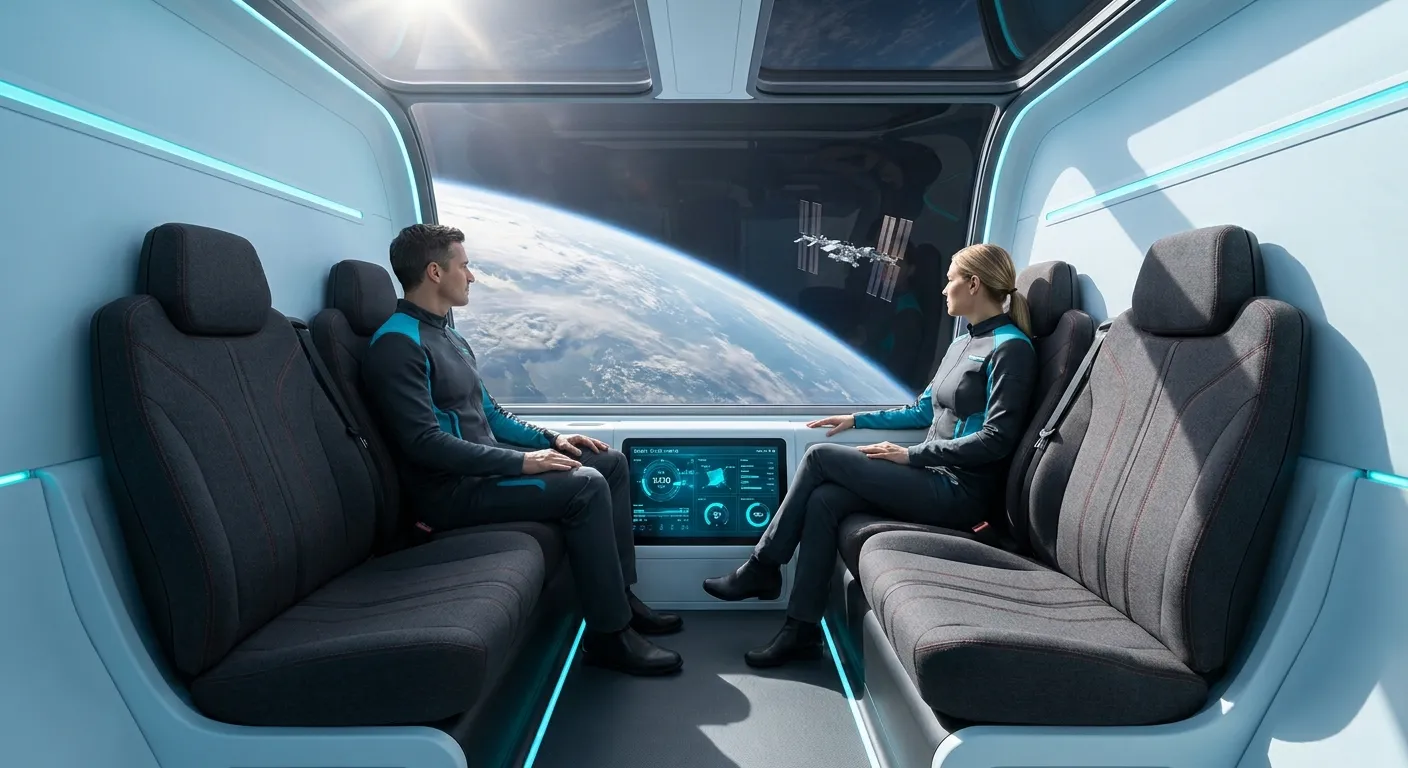
The idea of vacationing among the stars once belonged purely to science fiction. However, today, the future of space tourism is rapidly approaching reality. Private companies are making significant strides in rocket technology and commercial spaceflight. Consequently, what was once an exclusive domain for astronauts is now becoming a potential frontier for adventurous travelers. This emerging industry promises not only breathtaking views of Earth but also unique experiences that could redefine luxury travel. As technology advances and costs potentially decrease, the prospect of space travel for the general public moves closer than ever.
Accessibility and Cost: Shaping the Future of Space Tourism
One of the most critical factors influencing the future of space tourism is its accessibility and cost. Currently, a journey to the edge of space or beyond comes with a multi-million dollar price tag. This limits it to a select few. Nevertheless, as more companies enter the market and develop reusable rocket systems, the expectation is that prices will gradually decrease. We might see tiered options emerge. For example, suborbital flights could offer a few minutes of weightlessness. Orbital trips might provide longer stays on space stations. Eventually, lunar or even Martian excursions could become possibilities. Increased competition and technological refinement are key to making these experiences more attainable for a broader demographic. Thus, it will move from exclusive luxury to a more widespread, albeit still premium, offering.
The Role of Reusable Rockets
Reusable rocket technology is fundamentally transforming space travel. Historically, rockets were largely expendable, making each launch incredibly expensive. Companies like SpaceX, notably with their Falcon 9 and Starship systems, have pioneered reusable boosters and spacecraft. This innovation drastically reduces the cost per launch. As a result, it makes more frequent and affordable space missions possible. Furthermore, other entities, such as Blue Origin, are also investing heavily in similar technologies. Their efforts promise to further drive down costs. Ultimately, this competition benefits consumers looking to experience cosmic journeys.
Tiered Travel Options
The evolution of space travel will likely mirror the airline industry’s development. Initially, only the very wealthy could afford air travel. Over time, it became accessible to many. Similarly, we anticipate a tiered system for celestial adventures. Short suborbital hops, offering a glimpse of Earth’s curvature and a few minutes of zero gravity, will likely be the entry point. These could be comparable to extreme adventure tourism. Next, orbital experiences, possibly involving stays on private space stations, will offer longer durations and more comprehensive views. Finally, for the truly adventurous, lunar expeditions or even journeys to Mars could become available, albeit at a much higher premium. Therefore, the market will cater to various levels of interest and budget.
Beyond Earth: New Destinations and Experiences in Space Travel
Looking further ahead, the future of space tourism isn’t just about viewing Earth from above. It’s about exploring new destinations. Imagine luxury hotels orbiting our planet, offering unparalleled vistas and zero-gravity recreation. Concepts for lunar hotels and even habitats on Mars are already being considered. These ideas push the boundaries of what’s possible. These destinations could offer unique activities, from moonwalks to scientific exploration, blending adventure with education. The development of advanced life support systems, radiation shielding, and in-space manufacturing will be crucial for realizing these ambitious visions. Consequently, space tourism will transform into a multi-destination industry.
Orbital Hotels and Space Stations
Orbital hotels represent a significant step in the evolution of space travel. Several companies are already planning and developing concepts for these unique accommodations. For instance, Axiom Space is building commercial modules that will attach to the International Space Station (ISS) and eventually detach to form a standalone private station. These facilities will offer comfortable living quarters, observation decks, and recreational areas designed for microgravity. Guests could enjoy gourmet meals with Earth as a backdrop or participate in scientific experiments. Such experiences promise to be unlike anything available on Earth. Furthermore, these stations could serve as launching pads for deeper space missions.
Lunar Excursions and Martian Habitats
Beyond Earth orbit, the Moon and Mars beckon. Lunar tourism is a distinct possibility. Visitors might stay in habitats built into lava tubes or craters, offering protection from radiation and micrometeoroids. Activities could include driving lunar rovers, collecting moon rocks, or simply gazing at Earth from a new perspective. Similarly, while further in the future, Martian habitats could host pioneers and tourists alike. These environments would require advanced closed-loop life support systems and significant infrastructure. They would offer unparalleled opportunities for exploration and scientific discovery. In fact, these extreme destinations would redefine adventure travel entirely.
Regulation and Safety: Ensuring Sustainable Space Journeys
As the space tourism industry expands, so does the need for robust regulation and stringent safety protocols. Currently, various national and international bodies are grappling with how to oversee commercial spaceflight. The Federal Aviation Administration (FAA) in the United States, for example, is responsible for licensing commercial launches. However, specific regulations for passenger safety in a tourism context are still evolving. Ensuring the safety of passengers, protecting the space environment from debris, and establishing clear liability frameworks are paramount. Without these, the growth of cosmic travel could be hindered. Therefore, international cooperation will be essential for creating a harmonized regulatory environment.
International Collaboration
Space knows no national borders. Consequently, international collaboration is vital for the responsible development of space travel. Treaties like the Outer Space Treaty provide a foundational framework. However, new agreements are needed to address specific challenges posed by commercial operations. Agencies like the United Nations Office for Outer Space Affairs (UNOOSA) play a role in fostering dialogue and developing guidelines. Working together, nations can establish common standards for safety, environmental protection, and even space traffic management. This collective effort will ensure a safer and more sustainable future of space tourism for everyone.
Mitigating Risks and Ensuring Passenger Well-being
Space travel inherently involves risks. Therefore, rigorous training and medical screening for passengers will be standard. Companies will need to invest heavily in reliable spacecraft designs, redundant systems, and emergency procedures. Furthermore, insurance and liability frameworks must be clearly defined. The psychological and physiological effects of space travel also require careful consideration. Research into long-duration stays and the impact of microgravity on the human body continues. This ongoing work will inform best practices for passenger well-being. Ultimately, passenger trust in the safety of these ventures will be crucial for the industry’s success.
Environmental Impact: Sustaining Our Cosmos
The increasing frequency of space launches and the proliferation of satellites raise concerns about the environmental impact of space activities. Space debris, including defunct satellites and rocket stages, poses a significant threat to active spacecraft and future missions. Furthermore, the carbon footprint of rocket launches, while currently small compared to other industries, could grow with increased activity. Therefore, sustainable practices, such as designing for deorbiting at the end of a satellite’s life and developing greener propulsion systems, are becoming increasingly important. Addressing these issues proactively is vital to ensure that the wonders of space remain accessible for generations to come. This commitment to sustainability is integral to the long-term viability of space exploration.
Managing Space Debris
Space debris is a growing problem. Thousands of pieces of junk, ranging from tiny paint flecks to entire rocket bodies, orbit Earth at high speeds. This debris poses a collision risk to operational satellites and crewed spacecraft. Solutions include active debris removal technologies, such as nets, harpoons, or even lasers. Additionally, responsible operators are designing satellites to re-enter Earth’s atmosphere safely at the end of their operational lives. International guidelines are also being developed to mitigate the creation of new debris. Effective debris management is paramount for safeguarding access to space for all users, including those involved in cosmic travel.
Sustainable Propulsion and Launch Practices
Rocket launches currently rely on fossil fuels, contributing to greenhouse gas emissions. While the overall impact is currently minor, a significant increase in launches for orbital travel could change this. Consequently, research into more sustainable propulsion methods is underway. This includes electric propulsion, nuclear propulsion, and even bio-derived fuels. Furthermore, companies are exploring ways to make launch operations more efficient and less environmentally disruptive. This might involve optimizing launch trajectories or developing quieter engines. Adopting these greener practices will be essential for the long-term health of our planet and the continued growth of space travel.
Economic Growth and Innovation: A New Frontier
The burgeoning space tourism industry is poised to be a significant driver of economic growth and technological innovation. It creates new jobs in aerospace engineering, manufacturing, hospitality, and research. Furthermore, the investment in advanced materials, propulsion systems, and life support technologies spurred by space travel has broader applications back on Earth. For example, advancements in recycling systems for spacecraft could lead to more efficient waste management here. Similarly, new medical technologies developed for astronauts could benefit patients globally. This economic impact extends beyond direct revenue from ticket sales. It fosters a vibrant ecosystem of innovation and development. Thus, the future of space tourism promises widespread benefits.
Job Creation and Industry Expansion
The expansion of space travel will lead to the creation of numerous jobs. This includes engineers, scientists, technicians, and mission control specialists. Moreover, new roles will emerge in space hospitality, such as orbital hotel managers and space tour guides. The manufacturing sector will also see a boom in demand for spacecraft components and related infrastructure. This growth will not be confined to a few countries. Instead, it will create opportunities globally as more nations develop their space capabilities. Therefore, the economic ripple effect will be substantial, benefiting many different sectors.
Spin-off Technologies and Earthly Benefits
Historically, space exploration has led to countless spin-off technologies that improve life on Earth. Think of GPS, memory foam, and even scratch-resistant lenses. The demands of cosmic travel will undoubtedly accelerate this trend. For example, closed-loop life support systems developed for space habitats could revolutionize sustainable living on Earth. Advanced robotics for in-space construction might find applications in hazardous terrestrial environments. Even the medical challenges of spaceflight could lead to breakthroughs in human physiology and health monitoring. Therefore, the investments made in the future of space tourism will yield tangible benefits for humanity as a whole.
In essence, the future of space tourism is poised for exponential growth. It promises to redefine travel and human experience as technology makes the cosmos more accessible. From suborbital hops to lunar hotels, the possibilities are vast. This emerging industry, while facing challenges in accessibility, safety, and environmental impact, holds immense potential for economic growth and groundbreaking innovation. As humanity reaches for the stars, the journey itself becomes an adventure, opening up new horizons for exploration and discovery. The dream of cosmic travel is becoming a reality, inviting us all to imagine a future where the sky is no longer the limit. For more insights into space exploration, visit NASA or SpaceX.
FAQ
What are the biggest challenges for commercial spaceflight?
The primary challenges for commercial spaceflight include reducing costs, ensuring passenger safety, developing reliable reusable technology, and establishing comprehensive regulatory frameworks. Overcoming these hurdles will be crucial for the industry’s widespread adoption and sustainability.
How will a trip to space impact the environment?
While the current environmental impact of space launches is relatively small, increased activity raises concerns about space debris and carbon emissions. The industry is exploring sustainable practices, such as active debris removal and greener propulsion systems, to mitigate these effects.
When will ordinary people be able to travel to the Moon?
While a precise timeline is difficult to predict, lunar travel for ordinary people is likely still several decades away. It requires significant technological advancements, infrastructure development, and substantial reductions in cost. Initially, it will remain an exclusive experience.
What kind of training is required for space travelers?
Even for tourist flights, participants will undergo rigorous training. This includes physical conditioning, emergency procedures, and familiarization with the spacecraft environment. Medical screenings will also be mandatory to ensure individuals are fit for the demands of a cosmic journey.
Will space stations become hotels in the future?
Yes, concepts for orbital hotels and private space stations are already in development. Companies aim to offer unique accommodations with unparalleled views of Earth and zero-gravity recreational activities. These facilities could redefine luxury travel in the coming decades.
Explore more: More from Top 5s