
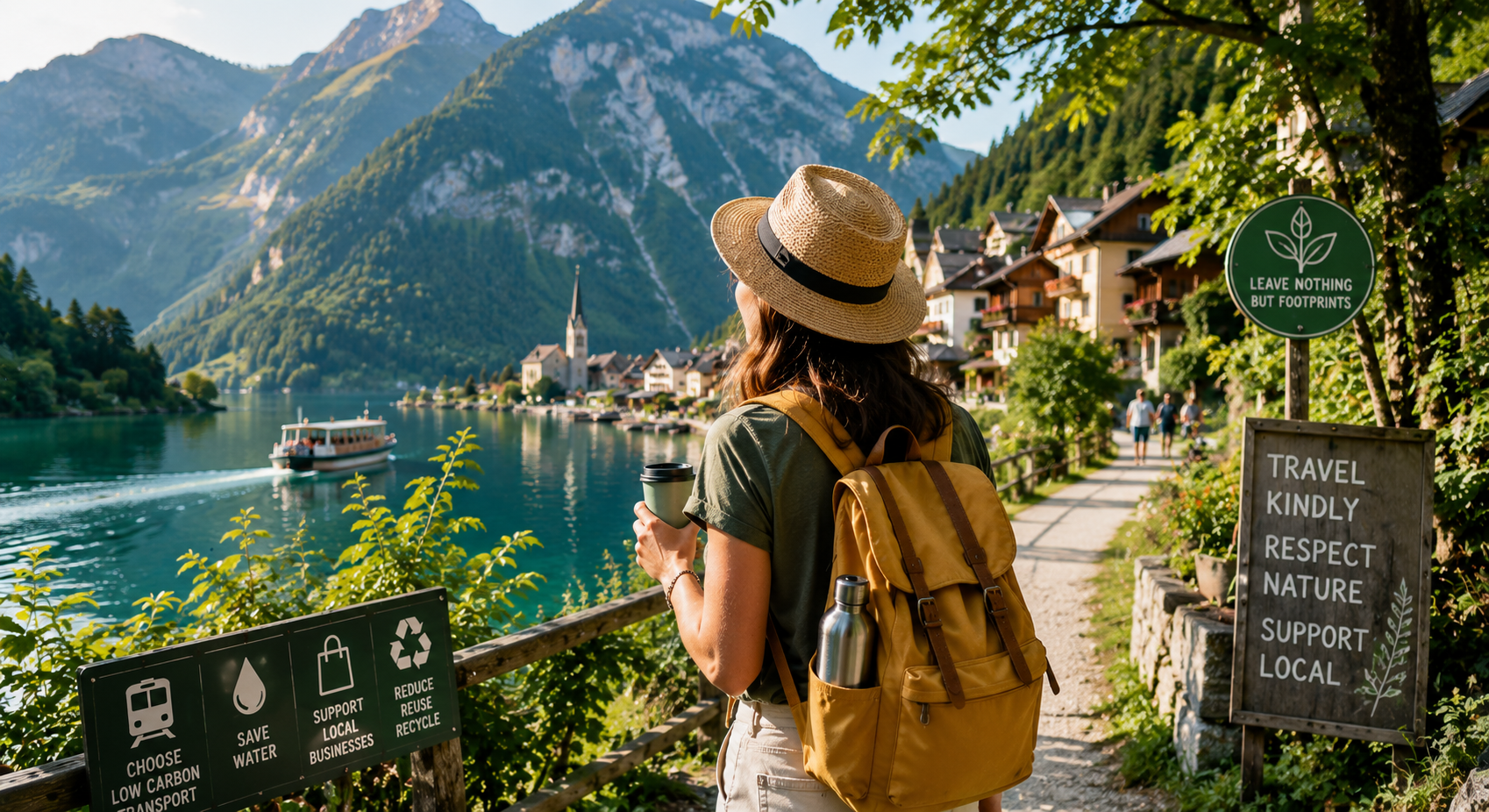
Travel gives people opportunities to experience different landscapes, cultures, foods, histories, and ways of life. However, tourism also uses energy, creates waste, and can place pressure on popular destinations. Fortunately, practical sustainable travel tips can help travelers make better choices without turning a vacation into a list of restrictions.
Sustainable tourism does not require perfection. Most trips create some environmental impact, especially when transportation involves long distances. Instead, responsible travel focuses on reducing avoidable impacts while supporting the places people visit.
That might mean staying longer in one destination rather than rushing between several cities. It could involve using public transportation, supporting locally owned businesses, or carrying reusable items.
Travelers should also consider communities. A destination is someone’s home, not simply a backdrop for photographs.
The goal is to enjoy travel while respecting the environment, local culture, wildlife, and people who make each destination unique.
Choose Destinations With Purpose
A more responsible trip begins before you book transportation. Think carefully about where you want to travel and why.
Some famous destinations experience severe crowding during peak seasons. Meanwhile, nearby communities may receive far fewer visitors.
One of the most useful sustainable travel tips is to consider alternatives when appropriate. A less crowded destination can offer memorable experiences while spreading tourism spending more widely.
However, avoid treating lesser-known communities as untouched places waiting to be discovered. Residents still deserve privacy and respect.
Seasonality matters too. Traveling outside the busiest period may reduce crowding while offering lower prices and a different experience.
Before booking, research local weather, transportation, customs, environmental concerns, and tourism conditions.
Purposeful planning does not remove spontaneity. Instead, it helps you understand the place before arriving and makes thoughtful choices easier during the trip.
Stay Longer When Your Schedule Allows
Fast-paced itineraries can look impressive on paper. However, constantly moving between destinations consumes time, money, and transportation.
Slower travel offers another approach.
Among practical sustainable travel tips, spending more time in fewer places can reduce the number of transportation segments while creating opportunities for deeper experiences.
Instead of visiting four cities in a week, you might explore one or two more carefully. You can visit neighborhood restaurants, markets, museums, parks, and smaller attractions without constantly packing.
Longer stays may also make trains, buses, walking, or cycling more practical.
Additionally, slower itineraries can reduce travel fatigue. Airports, security lines, hotel check-ins, and transfers can consume substantial portions of short trips.
Of course, not everyone has enough vacation time for slow travel. If your schedule is limited, simply avoid adding unnecessary stops.
A meaningful trip does not need the highest possible number of destinations.
Think Carefully About Transportation
Transportation can represent a significant part of a trip’s environmental footprint, particularly when flying long distances.
Therefore, transportation deserves careful consideration when applying sustainable travel tips.
For shorter journeys, trains or buses may provide practical alternatives to flying, depending on the destination. Rail travel can also become part of the experience because passengers can observe landscapes along the route.
Once you arrive, public transportation can reduce dependence on private vehicles. Walking and cycling provide additional options where infrastructure and safety conditions allow.
However, travelers should choose transportation realistically. A complicated route involving several inefficient connections may not always provide the expected benefits.
Accessibility also matters. Not everyone can walk long distances or use every public transportation system comfortably.
The goal is not to shame travelers for using necessary transportation. Instead, consider reasonable alternatives and choose lower-impact options when they genuinely fit the journey.
Make Flights More Purposeful
For many international journeys, flying is difficult to avoid. Travelers can still make thoughtful decisions about how they fly.
Direct flights can sometimes reduce the additional distance and operations involved in connections. However, availability and affordability vary.
Another of the most practical sustainable travel tips is to make long-distance trips meaningful enough to justify the journey.
Rather than taking several short international vacations, some travelers may prefer fewer but longer trips when schedules and finances allow.
Pack thoughtfully as well. You do not need to carry unnecessary items simply because your luggage allowance permits them.
Travelers sometimes encounter carbon-offset programs during booking. The quality and effectiveness of these programs can vary significantly. Therefore, research specific projects rather than assuming every offset produces equal benefits.
Most importantly, remember that purchasing an offset does not erase the emissions from a flight.
Reducing unnecessary travel remains different from compensating for emissions afterward.
Pack Light and Bring Useful Reusables
Packing lightly can make travel easier. Smaller luggage is simpler to carry through train stations, public transportation, and crowded streets.
It can also reduce the temptation to use taxis simply because your bags are difficult to manage.
Useful sustainable travel tips include bringing reusable items that you will genuinely use.
A refillable water bottle can reduce disposable bottle use where tap or refill water is safe. A reusable shopping bag takes little luggage space and can be useful at markets.
Travel utensils or containers may help on certain trips, although carrying items you never use provides little benefit.
Avoid buying a large collection of “eco-friendly” travel products solely for one vacation. Using items you already own can often be more sensible.
Packing versatile clothing can reduce luggage volume. Choose pieces that combine easily and suit the destination’s weather and cultural expectations.
The simplest packing strategy is often the most practical.
Choose Accommodation Thoughtfully
Hotels, hostels, resorts, rental properties, and guesthouses vary widely in their environmental and social practices.
When comparing accommodation, look beyond vague claims about being green.
Good sustainable travel tips involve checking what properties actually do. Do they reduce unnecessary laundry? Manage waste responsibly? Use energy efficiently? Employ local staff under appropriate conditions?
Location matters too.
A hotel near public transportation or within walking distance of attractions can reduce your need for private vehicles.
Locally owned accommodation may keep more tourism spending within the community. However, ownership alone does not guarantee responsible practices.
Short-term rentals require additional consideration. In some destinations, large numbers of vacation rentals can affect housing availability for residents.
Research local conditions before booking.
Ultimately, choose accommodation that fits your budget, safety requirements, comfort needs, and values rather than relying entirely on environmental marketing language.
Reduce Waste Without Making Travel Difficult
Travel often produces disposable waste through takeaway meals, packaged snacks, toiletries, tickets, and bottled drinks.
You can reduce some of this waste with simple planning.
One of the easiest sustainable travel tips is to refuse items you do not need. If you already have toiletries, for example, you may not need to open every small hotel bottle.
Use refill stations when drinking water is safe. Keep a reusable bag available for shopping.
Digital tickets can reduce paper use where they are practical, although keeping necessary offline copies may be wise when internet access is unreliable.
Waste rules vary between destinations. Recycling systems that exist at home may not be available elsewhere.
Therefore, avoid assuming that every item marked recyclable will actually be processed locally.
Reducing consumption in the first place is often simpler than trying to manage waste afterward.
Support Locally Owned Businesses
Tourism can create jobs and income, but not every tourism dollar remains in the destination.
Large international companies may send substantial portions of revenue elsewhere.
Supporting local businesses is therefore one of the most socially meaningful sustainable travel tips.
Eat at locally owned restaurants. Visit independent shops, markets, cafés, and tour operators when they provide appropriate services.
Buying locally made products can also support craftspeople. However, verify that souvenirs are genuinely produced in the region rather than imported mass-market items.
Local guides can provide valuable cultural and historical context. Their knowledge may also help visitors understand appropriate behavior.
Nevertheless, avoid assuming every locally operated business is automatically sustainable. Environmental practices, labor conditions, and animal welfare still matter.
Responsible tourism combines local economic support with thoughtful evaluation.
Respect Local Culture and Everyday Life
Travel allows people to encounter customs different from their own. That experience becomes more meaningful when approached with curiosity rather than judgment.
Before visiting, learn basic information about local etiquette, clothing expectations, photography, tipping, religious sites, and social customs.
Respect is among the most important sustainable travel tips because tourism affects real communities.
Learn a few useful words in the local language when practical. Even simple greetings can demonstrate effort.
Ask permission before photographing individuals, especially children. Furthermore, do not assume that every ceremony, neighborhood, or private activity exists for tourists.
Follow rules at religious and cultural sites.
Travelers should also avoid turning poverty or vulnerable communities into entertainment. Photography and tours involving difficult social conditions require particular sensitivity.
Cultural differences are part of what makes travel valuable. Respecting those differences creates better experiences for both visitors and residents.
Be Responsible Around Wildlife
Wildlife tourism can support conservation and local economies when managed responsibly. However, poorly designed experiences can harm animals.
Travelers should research wildlife activities carefully.
Responsible sustainable travel tips include avoiding attractions that encourage touching, chasing, feeding, riding, or handling wild animals when those activities compromise natural behavior or welfare.
Wildlife should generally have space to move away from people.
Choose operators that follow appropriate viewing distances and conservation practices. Be cautious when businesses advertise unusually close encounters simply to create photographs.
Never remove animals, plants, shells, coral, or other protected natural materials from habitats.
Feeding wildlife can also alter natural behavior and create dependence or conflict with people.
A memorable wildlife experience does not require physical contact. Observing animals behaving naturally can be far more meaningful.
Protect Natural Areas
National parks, beaches, mountains, forests, reefs, and other natural destinations attract millions of travelers.
Heavy visitation can damage these places when visitors leave marked trails, create waste, disturb wildlife, or remove natural objects.
Therefore, sustainable travel tips should include basic outdoor responsibility.
Follow posted regulations. Stay on designated paths where required, especially in fragile habitats.
Carry waste out when disposal facilities are unavailable. Avoid carving names into trees, rocks, or historical structures.
Do not collect plants or geological materials where removal is prohibited.
When snorkeling or diving, avoid touching coral. Reefs are living ecosystems and can be damaged by careless contact.
Camp only where permitted and follow local fire restrictions.
Rules may vary according to ecosystem and season, so local guidance should always take priority.
Responsible visitors aim to leave natural places in conditions that allow others to enjoy them too.
Use Water and Energy Carefully
Travelers sometimes use more resources on vacation than they would at home.
Hotel air conditioning may remain active while rooms are empty. Towels can be replaced daily even when unnecessary.
Simple sustainable travel tips can reduce this waste without reducing comfort significantly.
Turn off lights and electronics when leaving your accommodation. Adjust heating or cooling reasonably rather than keeping extreme temperatures.
Reuse towels when appropriate. Likewise, decline unnecessary daily linen changes during short stays.
Water conservation becomes especially important in destinations experiencing drought or limited freshwater supplies.
Shorter showers and avoiding unnecessary water use can help.
However, responsibility should not fall entirely on guests. Hotels and tourism businesses have much greater opportunities to improve building efficiency and resource management.
Travelers can support properties that demonstrate meaningful practices while also making sensible choices themselves.
Eat With the Destination in Mind
Food is one of travel’s greatest pleasures. Local dishes can reveal history, agriculture, migration, geography, and cultural traditions.
Eating locally can also support nearby businesses and producers.
Food-focused sustainable travel tips do not require following rigid rules.
Visit local restaurants and markets. Try seasonal foods where appropriate and learn about regional ingredients.
Reducing food waste can make a difference too. Order realistic portions and take leftovers when safe and practical.
Buffets can encourage people to take more food than they actually eat. Starting with smaller servings and returning for more can reduce unnecessary waste.
Travelers with dietary restrictions should research destinations in advance. Learning how to communicate allergies or other requirements can make meals safer and easier.
Responsible food choices should enhance travel rather than remove enjoyment from it.
Avoid Overtourism When Possible
Popular destinations can struggle when visitor numbers exceed what local infrastructure and communities can comfortably support.
Crowded streets, rising housing costs, waste, traffic, and pressure on natural areas can create tension.
Managing your contribution to overtourism is another reason to use sustainable travel tips when planning.
Consider traveling during shoulder seasons. Visit popular attractions at less crowded times when possible.
Explore nearby areas that actively welcome visitors rather than concentrating every day around famous landmarks.
However, do not simply redirect crowds into fragile communities that lack tourism infrastructure.
Research is essential.
Travelers should also follow local rules designed to manage visitor numbers. Reservation systems, access limits, and tourism fees may help protect destinations.
A quieter experience can benefit visitors too. Fewer crowds often provide more time to appreciate the place itself.
Choose Tours With Care
Tours can provide excellent access to local knowledge. A skilled guide can explain history, ecology, food, architecture, or traditions that visitors might otherwise overlook.
However, tour quality varies considerably.
When choosing activities, apply sustainable travel tips by researching how companies operate.
Look for clear information about group sizes, environmental practices, local employment, and wildlife policies where relevant.
Small groups can sometimes reduce disruption, although the nature of the activity matters more than a single number.
Ask questions when information is unclear.
For community-based tourism, determine whether local participants have meaningful control and receive fair benefits.
Avoid experiences that disrespect sacred places, exploit vulnerable communities, or encourage harmful wildlife interactions.
Reviews can provide useful clues, but company policies and independent certifications may offer additional information.
A responsible tour should help you understand a destination rather than simply use it as scenery.
Buy Souvenirs Responsibly
Souvenirs can preserve memories and support local craftspeople. However, travelers should think about what they purchase.
Avoid products made from threatened wildlife, protected plants, coral, or materials that may be illegal to transport across borders.
Responsible shopping belongs among useful sustainable travel tips because consumer demand can influence local markets.
Ask where products were made. Markets in tourist areas sometimes sell imported items presented as local crafts.
Buying directly from artists or reputable cooperatives can provide greater confidence about origin.
Choose items you genuinely want rather than purchasing objects simply because you feel obligated.
Practical souvenirs such as textiles, food products, artwork, or household items may receive more use than mass-produced decorations.
Always check customs and agricultural rules before transporting food, plants, wood, or animal products internationally.
A meaningful souvenir should remind you of the destination without harming what made that place special.
Use Technology to Travel Smarter
Phones can replace several physical travel tools. Maps, transit applications, tickets, translation tools, reservations, and guidebooks can all fit on one device.
Technology can therefore support sustainable travel tips when used thoughtfully.
Public transportation apps can help visitors navigate unfamiliar cities without relying on taxis. Digital maps make walking routes easier to plan.
Travelers can also research locally owned restaurants, refill stations, and responsible tour operators.
However, technology should not become a constant distraction.
Looking at a destination only through a phone screen can reduce engagement with the actual experience.
Download important information for offline use. This can reduce problems when mobile data is unavailable.
Keep backup access to essential travel documents as well.
Technology works best as a practical tool that supports exploration rather than controlling every moment of the trip.
Remember That Sustainability Includes Communities
Environmental issues receive much of the attention in sustainable tourism. However, social and economic effects matter too.
Tourism can create employment and fund conservation. At the same time, unmanaged tourism can contribute to crowding, housing pressure, cultural disruption, and unequal economic benefits.
The best sustainable travel tips therefore consider residents alongside environmental impact.
Follow local regulations, including restrictions on short-term rentals or protected sites.
Treat tourism workers respectfully. Pay agreed prices and tip according to local customs where appropriate.
Avoid aggressively bargaining over small amounts when purchasing directly from people whose livelihoods depend on those sales.
Listen when residents express concerns about visitor behavior.
Travelers are temporary guests. Communities continue living with tourism’s effects long after visitors return home.
Make Sustainable Choices Realistic
Responsible travel should not become a competition over who can create the smallest footprint.
Budgets, disabilities, family needs, transportation systems, safety concerns, and available vacation time all influence what choices are realistic.
Therefore, effective sustainable travel tips should offer flexibility.
A traveler with limited mobility may need private transportation. Someone traveling with young children might choose convenience in situations where another person would walk.
Budget travelers may not always afford accommodation with expensive environmental certifications.
Instead of seeking perfection, focus on decisions that are practical within your circumstances.
Choose public transportation when it works. Reduce unnecessary waste. Respect local communities. Support responsible businesses when possible.
Several realistic improvements are more sustainable than an idealized travel style that you cannot maintain.
Conclusion
Travel can expand knowledge, strengthen cultural understanding, support local economies, and create lasting memories. However, thoughtful choices can help reduce some of its environmental and social pressures.
Using sustainable travel tips does not mean giving up comfort, adventure, or enjoyment. In many cases, responsible choices can improve the experience.
Slower itineraries provide more time to understand a destination. Public transportation can reveal everyday local life. Independent restaurants offer regional flavors, while local guides can provide perspectives that visitors would otherwise miss.
Travelers can also reduce waste, use water and energy carefully, protect natural areas, and choose responsible wildlife experiences.
No trip will be perfectly sustainable. Transportation consumes resources, accommodations require energy, and visitors inevitably affect the places they enter.
Therefore, the goal should be thoughtful improvement rather than impossible perfection.
Travel well, stay curious, and remember that every destination is more than somewhere to visit. It is an ecosystem, culture, economy, and home that deserves respect.
FAQ
1. What is sustainable tourism?
Sustainable tourism aims to reduce negative environmental and social impacts while supporting local communities, economies, cultures, and natural environments.
2. Is flying always an irresponsible way to travel?
Flying can have a substantial environmental impact, particularly over long distances. However, travelers can reduce unnecessary flights, stay longer, and consider alternatives where practical.
3. How can I support local communities while traveling?
Choose locally owned businesses, hire responsible local guides, buy authentic locally made products, respect cultural practices, and follow community rules.
4. What should I look for in environmentally responsible accommodation?
Look for specific practices involving energy, water, waste, local employment, transportation access, and credible sustainability programs rather than relying only on vague green claims.
5. Can sustainable travel still be comfortable and enjoyable?
Yes. Responsible travel is about making thoughtful choices, not eliminating enjoyment. Many sustainable practices can create slower, richer, and more locally connected experiences.