
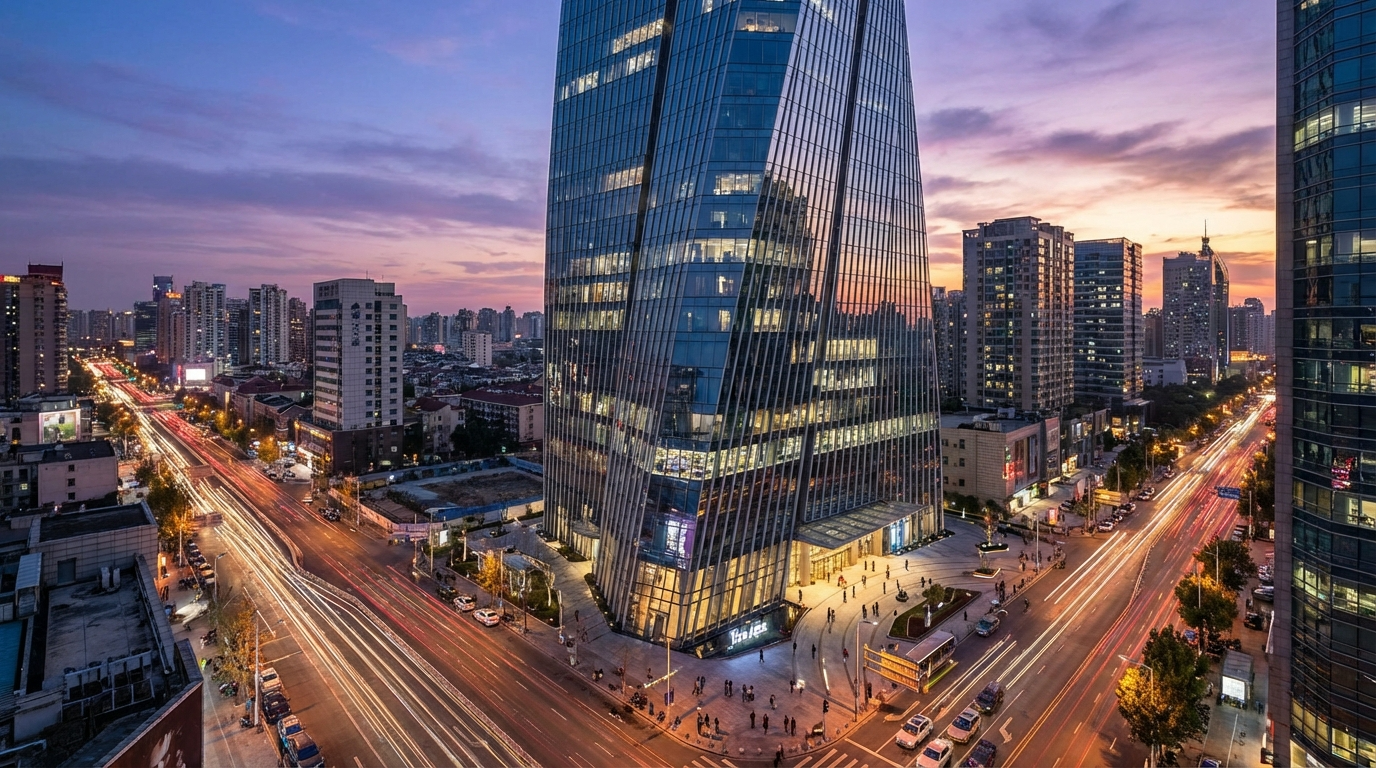
Cities constantly evolve. However, a few structures rise so high that they redefine what is possible. The Tallest Skyscrapers Ever Built represent human ambition, technological progress, and architectural innovation. These record-breaking towers push engineering boundaries while transforming global skylines.
Throughout history, height has symbolized power and prestige. As a result, nations compete to construct taller and more impressive buildings. Yet, building upward requires more than vision. Engineers must account for wind forces, material strength, and structural stability.
In this guide, we explore the five record holders among the Tallest Skyscrapers Ever Built. Each one demonstrates how modern engineering continues to break limits while shaping urban identity.
Why Height Matters in Modern Architecture
Height serves multiple purposes. First, skyscrapers maximize limited urban land. As cities grow denser, vertical expansion becomes practical.
Second, tall towers symbolize economic strength. When a nation unveils a record-breaking building, it signals innovation and prosperity. Therefore, these structures often become cultural landmarks.
Additionally, engineering breakthroughs often emerge from height challenges. Designers must address wind resistance, seismic activity, and elevator efficiency. Because these problems demand creative solutions, the Tallest Skyscrapers Ever Built often pioneer new technologies.
With that context in mind, let’s examine the five tallest towers in the world.
1. Burj Khalifa – Dubai, United Arab Emirates
Standing at 828 meters (2,717 feet), the Burj Khalifa remains the undisputed leader among the Tallest Skyscrapers Ever Built.
Engineering Excellence
Engineers designed the tower with a Y-shaped floor plan. This shape reduces wind load while increasing stability. Moreover, high-performance concrete strengthens the core.
Because desert winds can be intense, aerodynamic testing played a critical role in design.
Mixed-Use Functionality
The Burj Khalifa houses offices, residences, and a luxury hotel. Additionally, observation decks attract millions of visitors annually.
Its height not only sets records but also symbolizes Dubai’s rapid growth and ambition.
2. Merdeka 118 – Kuala Lumpur, Malaysia
Merdeka 118 reaches 678.9 meters (2,227 feet), making it one of the most impressive additions to the Tallest Skyscrapers Ever Built list.
Symbolic Design
The building’s faceted glass exterior reflects Malaysia’s independence history. Consequently, it serves as both an office tower and a national icon.
Sustainable Features
Developers incorporated green building practices. Energy-efficient systems reduce environmental impact significantly.
Although slightly shorter than the Burj Khalifa, Merdeka 118 demonstrates how height and sustainability can coexist.
3. Shanghai Tower – Shanghai, China
The Shanghai Tower stands at 632 meters (2,073 feet). It ranks prominently among the Tallest Skyscrapers Ever Built due to its innovative design.
Twisting Structure
Unlike traditional straight towers, the Shanghai Tower twists 120 degrees as it rises. This rotation reduces wind pressure dramatically.
Because wind forces increase at higher elevations, this design improves structural performance.
Vertical Communities
The building contains stacked neighborhoods separated by sky gardens. These spaces provide natural light and communal areas.
Through its advanced engineering, the Shanghai Tower reflects China’s technological progress.
4. Abraj Al-Bait Clock Tower – Mecca, Saudi Arabia
At 601 meters (1,972 feet), the Abraj Al-Bait Clock Tower combines height with cultural significance.
Religious Importance
Located near the Grand Mosque, the tower serves pilgrims visiting Mecca. Therefore, its design integrates spiritual and functional elements.
Iconic Clock Face
The massive clock faces rank among the largest in the world. Additionally, the illuminated display remains visible from miles away.
As one of the Tallest Skyscrapers Ever Built, this structure blends tradition with modern engineering.
5. Ping An Finance Center – Shenzhen, China
The Ping An Finance Center reaches 599 meters (1,965 feet). It stands as a financial and architectural landmark.
Structural Innovation
Engineers used high-strength steel and concrete to ensure stability. Moreover, its slender profile enhances visual appeal.
Business Hub
The tower houses offices and observation decks. Consequently, it supports Shenzhen’s economic growth.
Its position among the Tallest Skyscrapers Ever Built reflects China’s rapid urban expansion.
How Engineers Overcome Height Challenges
Constructing record-breaking towers involves unique obstacles.
First, wind resistance poses major concerns. At extreme heights, gusts create lateral movement. Therefore, engineers conduct wind tunnel testing.
Second, foundation depth becomes critical. Massive concrete bases anchor towers securely. Additionally, advanced materials improve load distribution.
Elevator systems also require innovation. Because vertical travel spans hundreds of meters, high-speed elevators ensure efficiency.
Each advancement contributes to the success of the Tallest Skyscrapers Ever Built.
Materials That Make It Possible
Modern skyscrapers rely on reinforced concrete and steel frameworks.
High-performance concrete resists compression. Meanwhile, steel adds tensile strength.
Glass curtain walls improve insulation and aesthetics. Furthermore, lightweight materials reduce structural stress.
Because these materials continue evolving, architects can pursue greater heights confidently.
The Role of Sustainability
Sustainability now plays a vital role in skyscraper design.
Energy-efficient systems reduce consumption. Rainwater harvesting supports environmental goals.
Green certifications encourage eco-friendly construction practices. Therefore, even the Tallest Skyscrapers Ever Built increasingly prioritize sustainability.
Economic Impact of Mega Towers
Record-breaking buildings attract tourism and investment.
Observation decks generate revenue. Additionally, surrounding developments often thrive.
These towers become symbols of progress. As a result, cities gain global recognition.
Future of Super-Tall Structures
Engineers continue exploring higher possibilities. Proposed designs exceed current records.
However, practicality influences future projects. Cost, environmental impact, and safety remain key considerations.
Although height records may shift, innovation will remain central to skyscraper evolution.
Conclusion: Engineering at Its Peak
The Tallest Skyscrapers Ever Built showcase human determination and ingenuity. Each tower on this list represents years of planning, testing, and collaboration.
From Dubai’s Burj Khalifa to Shenzhen’s Ping An Finance Center, these structures redefine skylines and inspire future architects.
While height captures headlines, engineering excellence sustains these achievements. Moreover, sustainable practices ensure long-term value.
As cities grow, vertical expansion will continue shaping urban landscapes. Ultimately, the Tallest Skyscrapers Ever Built remind us that innovation knows no limits when vision meets technology.
FAQ
1. Which skyscraper currently holds the height record?
The Burj Khalifa remains the tallest structure at 828 meters.
2. How do tall buildings resist strong winds?
Engineers use aerodynamic shapes, reinforced cores, and wind tunnel testing.
3. Are super-tall towers environmentally sustainable?
Many incorporate energy-efficient systems and green certifications to reduce impact.
4. Why do countries build extremely tall skyscrapers?
They symbolize economic strength, maximize space, and attract global attention.
5. Will future buildings surpass current height records?
Designs continue evolving, so new record holders may emerge in coming years.