
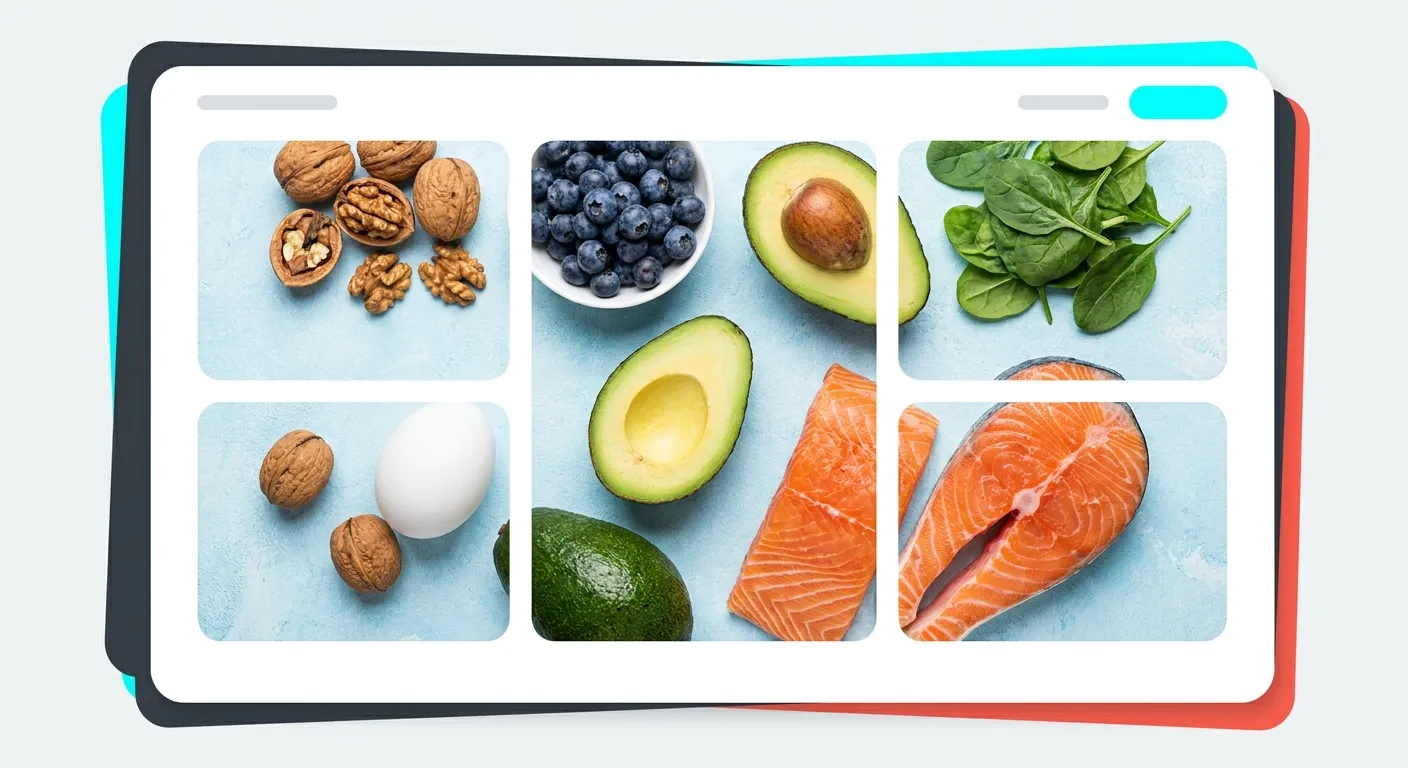
Our brain, the command center of our body, works tirelessly every second of every day. To maintain its optimal function—from memory and focus to mood regulation and problem-solving—it requires a steady supply of specific nutrients. Just like any other organ, the brain thrives on a balanced diet rich in vital compounds. Understanding the essential nutrients for brain health can empower us to make dietary choices that support cognitive function and long-term neurological well-being. Here are the top five nutrients crucial for a sharp and healthy mind.
1. Omega-3 Fatty Acids: The Brain’s Building Blocks
Omega-3 fatty acids, particularly DHA (docosahexaenoic acid) and EPA (eicosapentaenoic acid), are paramount for brain health. DHA is a major structural component of the brain, making up a significant portion of the brain’s gray matter. These healthy fats are critical for building and repairing brain cells, reducing inflammation, and supporting neurotransmitter function. Regular intake of omega-3s has been linked to improved memory, enhanced learning capabilities, and a reduced risk of cognitive decline. For example, research highlights the significant role of omega-3s in supporting cognitive function across all ages. Rich sources include fatty fish like salmon, mackerel, and sardines, as well as flaxseeds, chia seeds, and walnuts. Incorporating these foods regularly can significantly contribute to supporting cognitive well-being.
2. B Vitamins: Energy and Neurotransmitter Support
The B-vitamin complex, including B6, B9 (folate), and B12, plays a vital role in brain function. These vitamins are essential for energy production within brain cells and for the synthesis of neurotransmitters, which are chemical messengers that facilitate communication between brain cells. For example, B12 and folate are crucial for nerve health and preventing cognitive decline, while B6 is involved in the production of serotonin and norepinephrine, impacting mood and concentration. Deficiencies in B vitamins can lead to fatigue, poor memory, and even neurological issues. You can find B vitamins in leafy greens, eggs, meat, legumes, and whole grains. Moreover, maintaining adequate levels of these brain-supporting nutrients is important for overall neurological wellness.
These vitamins are water-soluble, meaning your body doesn’t store them for long periods. Therefore, consistent dietary intake is necessary. Furthermore, B vitamins work synergistically; a deficiency in one can impact the effectiveness of others. This makes a comprehensive intake of the entire B-complex particularly important for maintaining brain vitality. Consider how a diet rich in these compounds can enhance your daily cognitive performance. This demonstrates their importance as key brain-boosting nutrients.
3. Antioxidants (Vitamin E & C): Protecting Brain Cells
The brain is highly susceptible to oxidative stress, which occurs when there’s an imbalance between free radicals and antioxidants. Antioxidants like Vitamin E and Vitamin C help combat this damage by neutralizing free radicals, thereby protecting brain cells from injury. Vitamin E is particularly important for protecting cell membranes from oxidative damage and has been associated with a lower risk of age-related cognitive impairment. Vitamin C is also a powerful antioxidant and plays a role in neurotransmitter synthesis. Incorporate foods like berries, citrus fruits, nuts, seeds, and leafy green vegetables to boost your antioxidant intake. Notably, a diet rich in these protective compounds can safeguard your brain over time.
Oxidative stress contributes to aging processes and various neurological conditions. Thus, consuming a variety of antioxidant-rich foods is a proactive step towards long-term brain health. Berries, for instance, are packed with flavonoids, which have been shown to improve memory and cognitive function. Similarly, Vitamin C, found abundantly in citrus fruits and bell peppers, is crucial for collagen formation, which supports brain structure, and acts as a potent free radical scavenger. These brain-nourishing compounds are indispensable for cellular protection.
4. Choline: Memory and Nerve Communication
Choline is an essential nutrient that plays a crucial role in brain development and function. It is a precursor to acetylcholine, a neurotransmitter vital for memory, mood, muscle control, and other brain and nervous system functions. Adequate choline intake supports the structural integrity of cell membranes and nerve signaling. This makes it an important component of a diet focused on improving brain function. It’s especially important during fetal development and early childhood for proper brain formation. Adults also benefit from consistent choline intake, as it helps maintain cognitive performance and may slow age-related memory decline. Foods rich in choline include egg yolks, beef liver, chicken, fish, nuts, and certain vegetables like broccoli and Brussels sprouts. Furthermore, supplementing with choline may be beneficial for some individuals, though dietary sources are generally preferred. This illustrates its role as one of the fundamental nutrients for cognitive well-being.
Choline also contributes to myelin sheath formation, which insulates nerve fibers and speeds up electrical impulses in the brain. Therefore, its presence is critical for efficient brain communication. Many people do not consume enough choline through diet alone, emphasizing the need to be mindful of its sources. For instance, eggs are an excellent and readily available source of choline. Including eggs in your breakfast can be a simple way to boost your daily intake. This nutrient for brain health is often overlooked but profoundly impactful.
5. Flavonoids: Enhancing Brain Plasticity
Flavonoids are a group of plant compounds known for their powerful antioxidant and anti-inflammatory properties. Beyond merely protecting cells, certain flavonoids have been shown to enhance brain plasticity, which is the brain’s ability to adapt and form new connections. This is crucial for learning and memory. Flavonoids can improve blood flow to the brain, stimulate the growth of new brain cells, and improve the signaling pathways between neurons. They are found in a wide variety of plant-based foods, including berries, dark chocolate, tea, citrus fruits, and leafy green vegetables. Regularly consuming these foods can significantly contribute to cognitive vitality.
Specifically, anthocyanins found in berries, flavanols in cocoa, and flavones in citrus fruits have garnered attention for their brain-boosting effects. For example, studies suggest that regular intake of flavonoid-rich foods can improve executive function and memory in older adults. This makes them a valuable addition to any diet aiming to support neurological health. Moreover, the diverse range of foods containing these compounds makes it easy to incorporate them into daily meals. These are certainly among the key elements supporting a healthy brain.
Beyond the Top 5: Lifestyle Factors for Optimal Brain Function
While focusing on these top five brain-essential nutrients is fundamental, it’s important to remember that overall brain health is also influenced by various lifestyle factors. A holistic approach yields the best results. For example, regular physical activity increases blood flow to the brain, promoting neurogenesis and improving cognitive functions. Consider incorporating a brisk walk or a workout into your daily routine. This can complement your dietary efforts significantly.
Furthermore, adequate sleep is indispensable. During sleep, the brain consolidates memories, clears out metabolic waste, and repairs itself. Chronic sleep deprivation can impair memory, attention, and problem-solving abilities. Aim for 7-9 hours of quality sleep each night to support your brain’s restorative processes. In addition, managing stress effectively is crucial; chronic stress can damage brain cells and impair cognitive function. Techniques like mindfulness, meditation, or spending time in nature can help reduce stress levels. These practices are as important as consuming the right nutrients for brain health.
Social engagement also plays a significant role in maintaining cognitive sharpness. Interacting with others, engaging in meaningful conversations, and participating in community activities can stimulate the brain and help prevent cognitive decline. For more on the importance of human interaction, you might find our article on Social Connections Shape Communities and Daily Life insightful. Keeping your mind active through continuous learning, puzzles, or new hobbies also supports brain plasticity. This continuous engagement helps maintain neural pathways and can even foster new ones.
The Role of a Balanced Diet in Sustaining Brain Vitality
A balanced diet is not just about avoiding unhealthy foods; it’s about actively choosing foods that nourish your entire body, especially your brain. Integrating a variety of whole, unprocessed foods ensures a broad spectrum of vitamins, minerals, and antioxidants. This approach supports optimal brain function and protects against cognitive decline. Think of your diet as an investment in your long-term cognitive well-being. Focusing on whole foods over processed options is a simple yet powerful step.
Hydration is another often-overlooked aspect of cognitive health. Even mild dehydration can impair concentration, memory, and mood. Ensure you’re drinking enough water throughout the day. Water is essential for all bodily functions, including those of the brain. The World Health Organization emphasizes the importance of a diverse diet for overall health, which naturally extends to brain vitality. Thus, a well-rounded eating pattern provides the ideal environment for these essential nutrients for brain health to thrive.
Making Smart Choices for Your Brain
Prioritizing the essential nutrients for brain health involves making conscious dietary choices. Begin by incorporating more whole foods into your meals. For instance, swap processed snacks for a handful of walnuts or a bowl of berries. Consider adding fatty fish to your diet a couple of times a week. These small changes accumulate over time, leading to significant benefits for your cognitive function. It’s not about drastic overhauls but consistent, healthy habits.
Remember, consistency is key when it comes to nutrition. Your brain needs a steady supply of these vital compounds, not just occasional boosts. Plan your meals to include a variety of nutrient-dense foods. If you find it challenging to meet your nutritional needs through diet alone, consult a healthcare professional about potential supplementation. However, always prioritize food sources first. For instance, maintaining healthy habits in general can also impact your cognitive state, much like how Healthy Skin Habits for Better Everyday Self-Care contribute to overall well-being. Making informed decisions about what you eat directly impacts how your brain performs and ages. These are truly fundamental brain-supporting nutrients.
In conclusion, nurturing your brain through proper nutrition is one of the most effective ways to maintain cognitive function, enhance memory, and protect against age-related decline. By focusing on omega-3 fatty acids, B vitamins, antioxidants, choline, and flavonoids, you provide your brain with the building blocks and protection it needs to perform at its best. Combine this with healthy lifestyle choices, and you’re well on your way to a sharper, healthier mind for years to come. Your brain deserves the best fuel you can give it. Therefore, make these brain-boosting nutrients a priority.
For further reading on maintaining a healthy lifestyle, consider exploring resources from reputable institutions. The Harvard Health Publishing Brain Health section offers extensive articles and guides on various aspects of cognitive well-being. These resources can provide additional insights into supporting your brain through diet and lifestyle.
FAQ
What foods are best for improving memory?
Foods rich in omega-3 fatty acids like salmon, walnuts, and flaxseeds are excellent for memory. Additionally, berries, leafy greens, and dark chocolate provide antioxidants that protect brain cells and support cognitive function.
Can diet impact mood and focus?
Absolutely. A diet rich in B vitamins (found in eggs, leafy greens, and whole grains) supports neurotransmitter production, which directly influences mood and focus. Processed foods, on the other hand, can negatively impact these aspects.
Are supplements necessary for cognitive enhancement?
While a balanced diet should be your primary source of brain-nourishing compounds, supplements can be beneficial if there are dietary gaps or specific deficiencies. Always consult a healthcare professional before starting any supplement regimen to ensure it’s appropriate for your individual needs.
How do antioxidants help the brain?
Antioxidants like Vitamin E and C protect brain cells from damage caused by free radicals and oxidative stress. This protection is crucial for preventing cognitive decline and maintaining overall brain health as you age.
What role does choline play in brain function?
Choline is vital for producing acetylcholine, a neurotransmitter essential for memory, learning, and muscle control. It also supports the structural integrity of brain cell membranes, contributing to efficient nerve communication.
Is there a specific diet recommended for brain health?
Diets like the Mediterranean diet, which emphasizes fruits, vegetables, whole grains, lean proteins, and healthy fats, are widely recognized for supporting brain health. This approach provides a broad spectrum of the brain-supporting nutrients discussed.